
Vintage Country Picture
A vintage country picture captures the rustic charm of rural landscapes and working animals through traditional painting and printmaking.
Vintage Country Picture
A vintage country picture encompasses framed artworks depicting pastoral scenery, agricultural life, and sporting subjects from past eras. Buyers searching for a vintage country picture typically encounter watercolours, oil paintings on canvas or wood panel, and historical prints produced across the nineteenth and twentieth centuries.
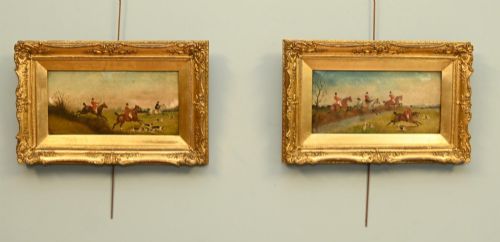
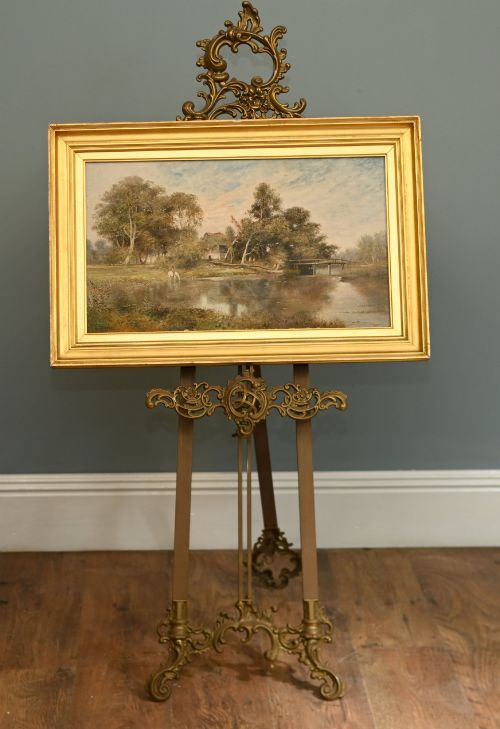
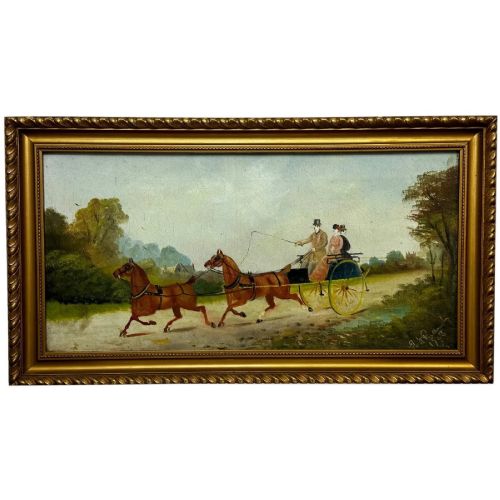
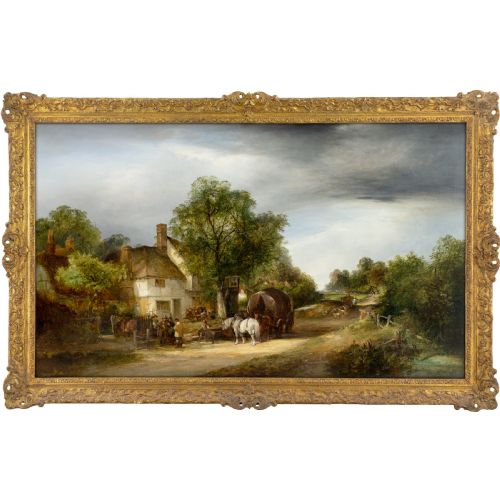
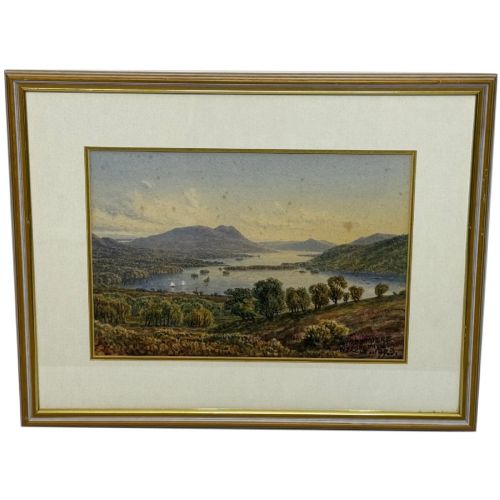
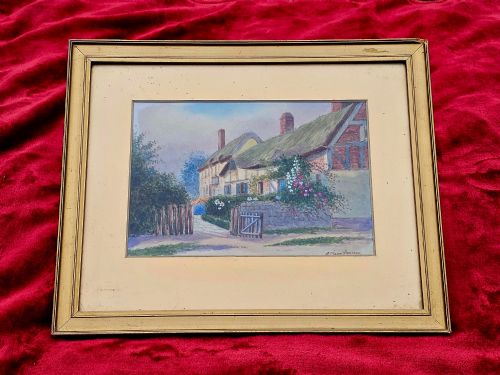
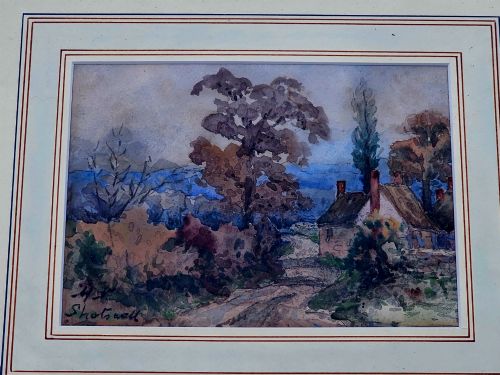
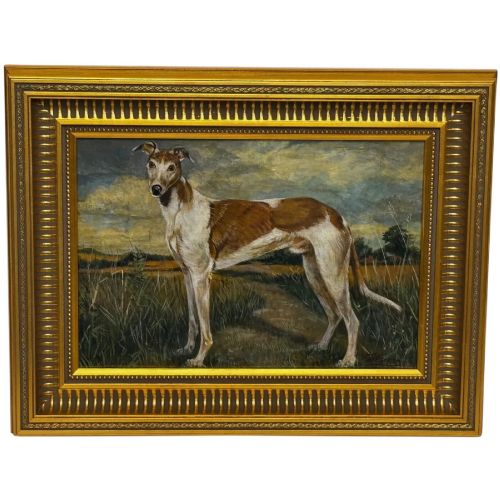
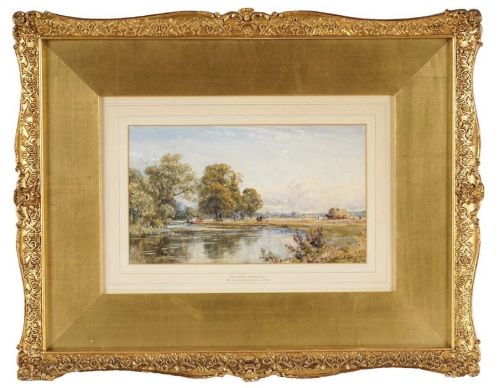
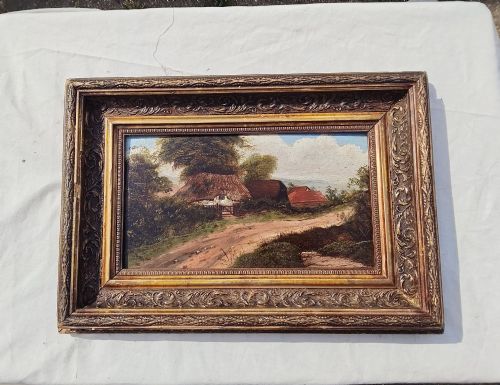
The material record spans nineteenth-century watercolours and Victorian oil paintings through to mid-century equestrian studies and rural landscapes. Common subjects include thatched cottages, farmland views, rivers, and depictions of horses, dogs, and game birds rooted in the English countryside tradition.
Most examples originate from British schools and regional artists working in various media, offering direct visual links to historical rural life. These framed works suit domestic interiors seeking authentic period character rather than mass-produced decoration.
Materials and methods
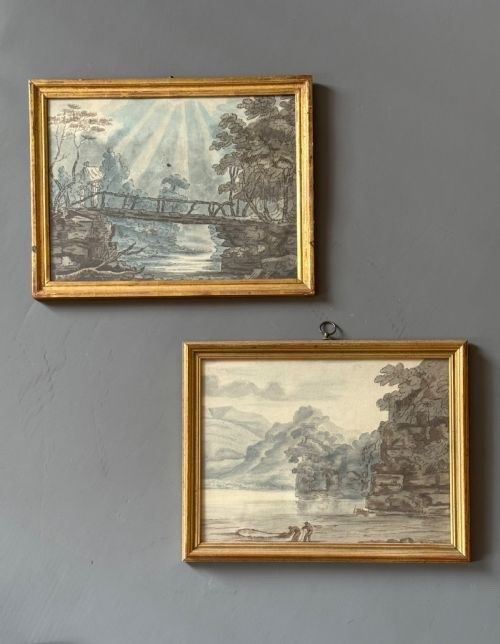
Artists relied primarily on traditional media such as oil paint on canvas, board, or wood panel, alongside watercolour and pastel applied to paper. These materials were often housed within wooden frames, sometimes accented with gold leaf or protected under glass.
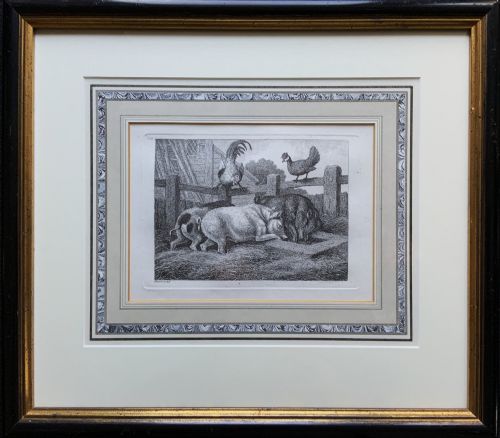
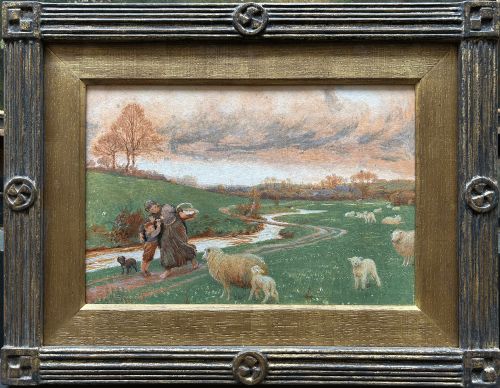
Printmakers utilised lithography and published plates to reproduce popular sporting and pastoral works by notable painters. Embroidered panels and ceramic tiles also appear within the broader category of framed rural imagery.
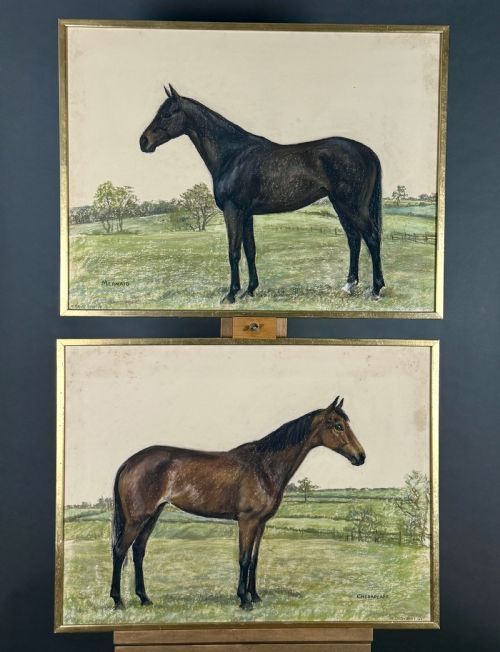
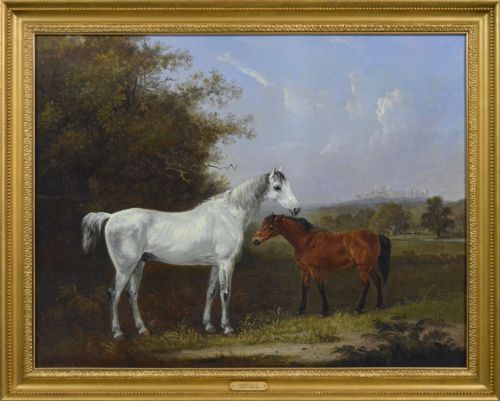
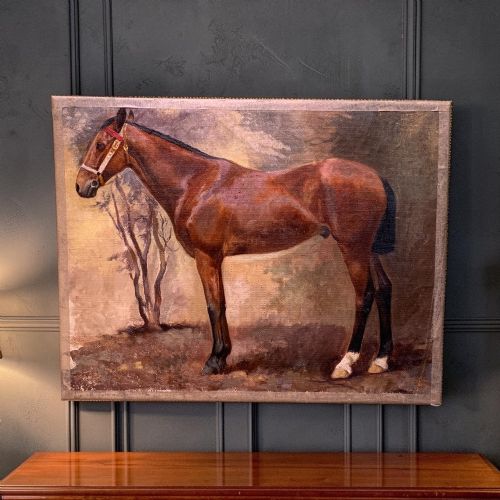
Even horses needed a good portrait after a long day of ploughing a farmer's field.
Assessing quality and execution
Quality rests upon the handling of the medium and the sureness of the draftsmanship, particularly in anatomical depictions of animals and the perspective of landscape views. Works by named artists or established regional painters generally demonstrate superior observation and compositional balance compared to anonymous studio pieces.
The preservation of the paper, canvas, or panel dictates the visual strength of the piece, with stable pigments and minimal restoration preserving the original intent. Original framing matching the period of the artwork further elevates the integrity of the object.
Frederick Walker·George Rankin·Henry Yeen King·Percy Lancaster·Charles Edward Wilson
The Vintage Country Picture Glossary
- Watercolour
- A painting method where fine pigment is suspended in a water-based solution and applied to paper. This technique yields translucent washes that capture soft atmospheric lighting in rural landscapes.
- Lithography
- A planographic printing process utilising a smooth stone or metal plate to reproduce images. It allowed nineteenth-century publishers to distribute popular sporting scenes widely.
- Equestrian
- Pertaining to horses, commonly found in rural and sporting art subjects. These studies focus on the conformation and movement of working or racing animals.
- Pastel
- A dry art medium consisting of powdered pigment and a binder, pressed into stick form. It produces rich, velvety surfaces requiring protection under glass.
Vintage Country Picture: Frequently Asked Questions
What periods do these pictures cover?
The available selection spans from the nineteenth century through the Edwardian era and into the mid-twentieth century. Works range from early Victorian watercolours to 1960s equestrian oil paintings.
This broad chronology reflects changing rural tastes while maintaining a consistent focus on pastoral and agricultural themes.
How should I hang a watercolour?
Watercolours require protection from direct sunlight to prevent the fading of delicate pigments on paper. Framing under glass with acid-free mounts ensures long-term preservation.
Positioning them away from damp walls and heat sources maintains the structural integrity of both the paper and the frame.
Are these works by known artists?
Many pieces originate from documented British artists, regional painters, and members of recognised schools of art. Signatures or studio provenances frequently accompany these historical works.
Other examples belong to the broader English School tradition, created by skilled practitioners whose names are lost to time.
What subjects are most common?
Rural landscapes featuring streams, cottages, and farmland form a large portion of the available artwork. Animal portraits, particularly horses, dogs, and game birds, also appear frequently.
These subjects mirror the traditional interests of English country house collections and regional sporting art.