
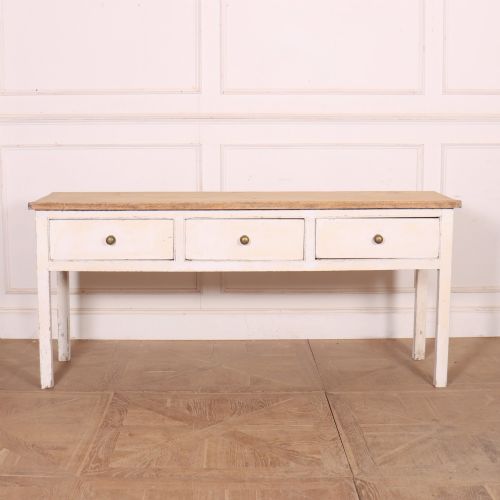
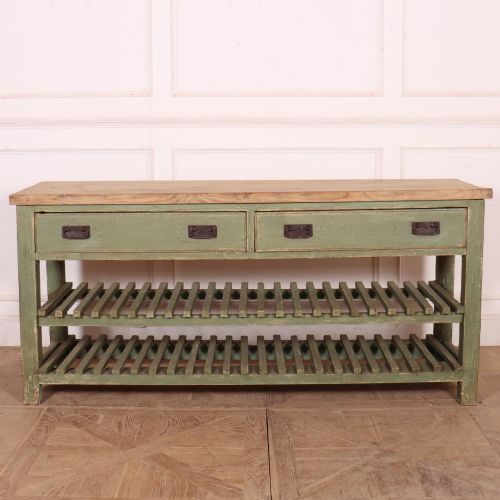
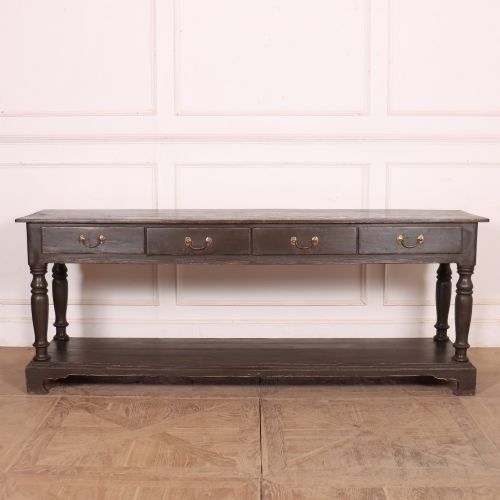
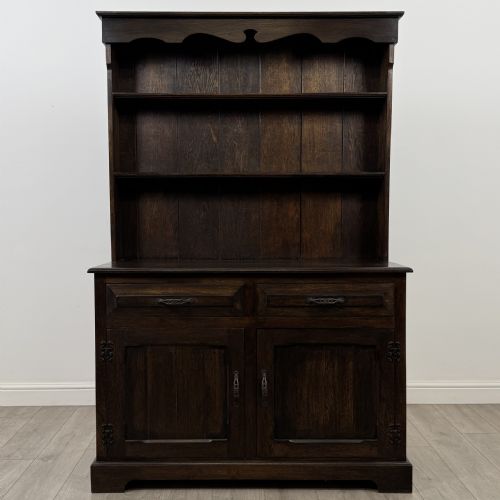
Vintage Country Dresser
A vintage country dresser brings grounded domestic history into a room, offering both display space and deep storage.
Vintage Country Dresser
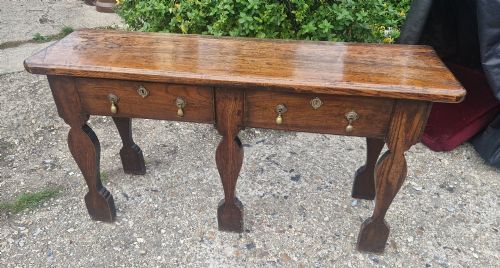
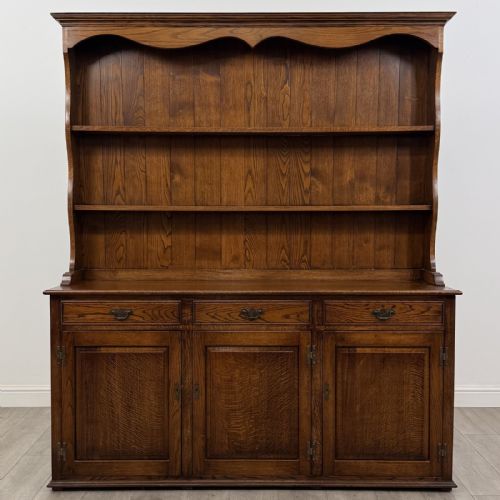
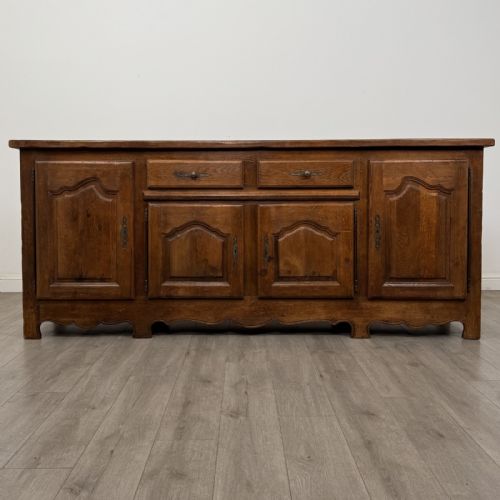
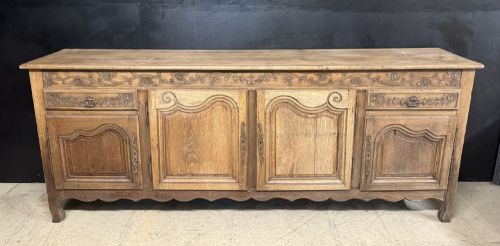
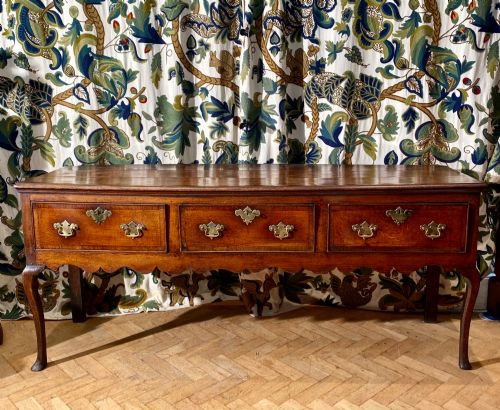
A vintage country dresser serves as a foundational piece of furniture, combining practical storage compartments with surfaces suited for daily use. When searching for a vintage country dresser, buyers encounter various forms including kitchen dressers with plate racks, low dresser bases, and related sideboards.
The pieces originating from these listings span several periods, from the eighteenth century through the Edwardian era and the early twentieth century. Common stylistic expressions include English Country, Victorian Country, Scottish Country, and French Provincial variations.
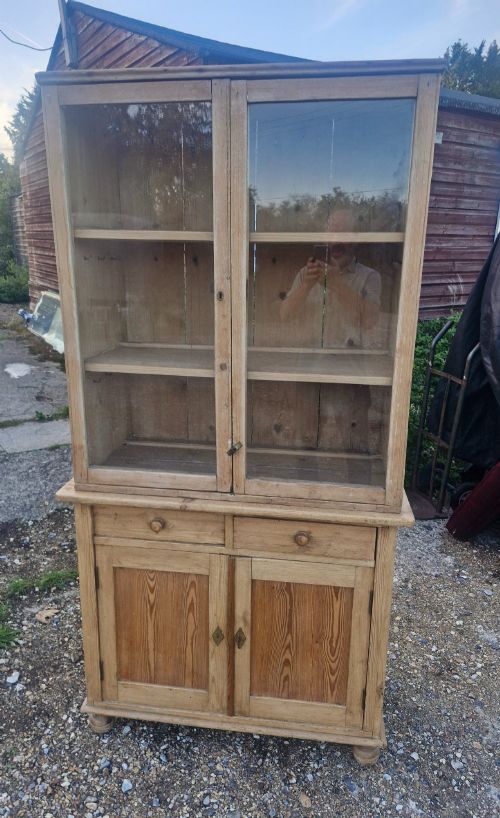
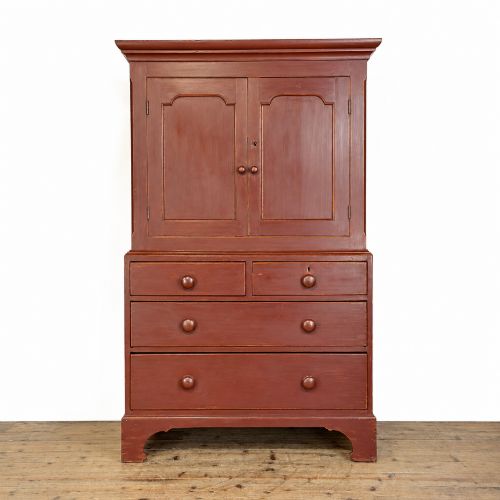
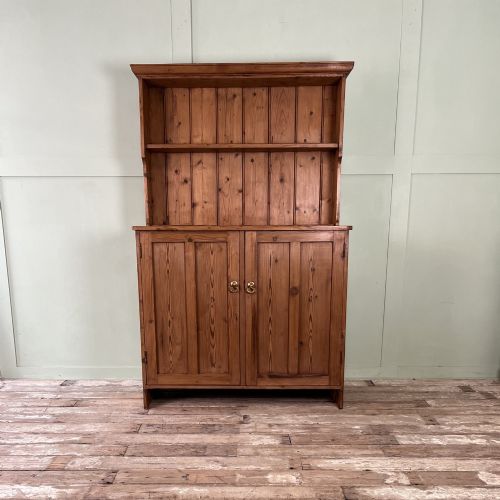
Most examples found in the current selection rely on robust domestic construction rather than delicate courtly ornamentation. They appear in configurations such as two-part kitchen cupboards, glazed bookcases, and open plate racks paired with heavy wooden bases.
Materials and construction methods
Makers built these pieces primarily using solid timbers like oak and pine, frequently supplemented by secondary woods and fitted with brass or iron hardware. Surfaces often display original paint, wax finishes, or scrubbed natural grain developed through decades of domestic service.
Construction techniques emphasise utility and durability, utilising pegged joints, solid panel doors, and dovetailed drawer boxes designed to withstand heavy daily use. Glazed upper sections incorporate timber framing to secure glass panes for the display of ceramics and tableware.
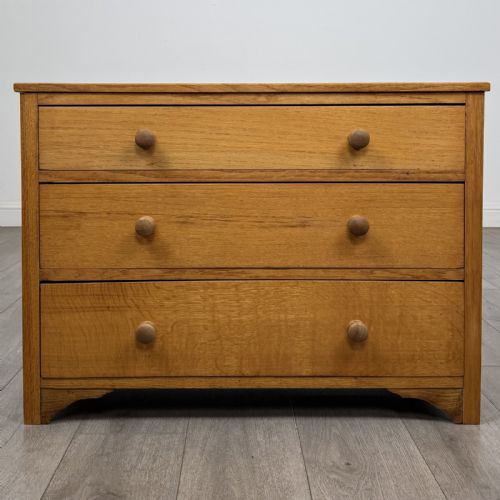
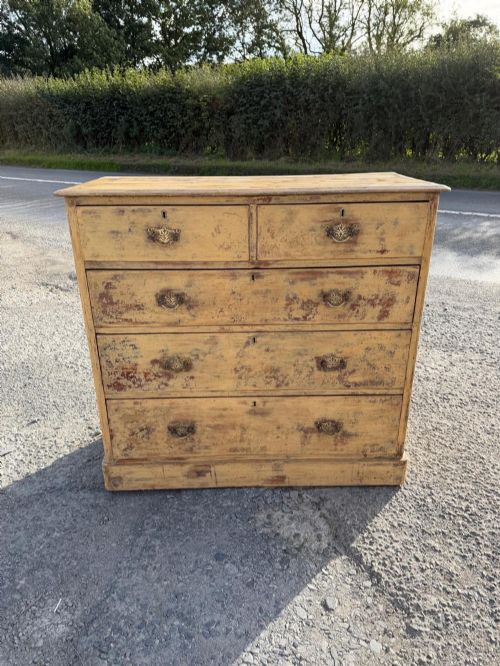
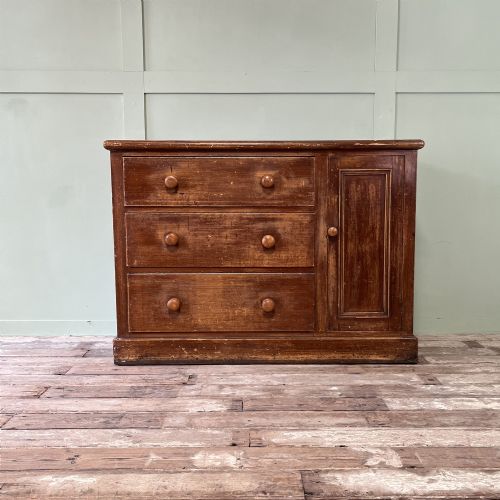
Bun handles on nineteenth-century pine drawers offer a wonderfully tactile grip that invites a daily touch.
Distinctions in craftsmanship and condition
Quality separates pieces by the integrity of their timber selection and the retention of original surface treatments such as early paint layers or patinated wax. Superior examples maintain balanced proportions, original hardware, and unaltered structural components.
Lesser pieces often show extensive timber replacement, unsympathetic stripping, or compromised drawer runners that affect daily operation. The presence of integrated plate racks and original backboards elevates the architectural completeness of the furniture.
Sir Clough Williams-Ellis
The Vintage Country Dresser Glossary
- Dresser base
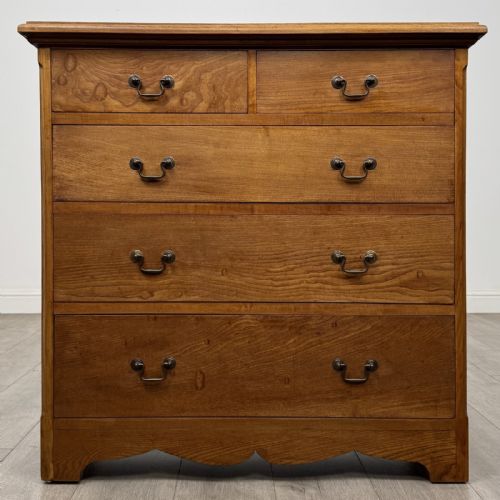
- The lower cabinet portion of a dresser, often featuring cupboards and multiple drawers without an attached upper plate rack.
- Plate rack
- An upper shelving unit designed to display plates and platters upright against a wall or secured to a dresser base.
- Delft rack
- A specialised plate rack featuring narrow wooden grooves specifically proportioned to hold imported delftware and ceramic plates.
- Breakfront
- A cabinet configuration where the central section projects forward from the flanking outer sections.
- Patina
- The surface sheen and colour depth developed on wood and paint over decades of handling, cleaning, and exposure to light.
Vintage Country Dresser: Frequently Asked Questions
What is a dresser base?
A dresser base is the lower half of a traditional kitchen dresser, functioning as a standalone sideboard or low cabinet with drawers and cupboards.
These pieces provide substantial storage capacity while offering a flat top surface for preparation or display.
How do I date a wooden dresser?
Dating relies on examining construction methods, timber types, handle styles, and overall proportions relative to documented historical periods.
Early pieces frequently employ hand-cut dovetails and native oak, whereas later Victorian and Edwardian examples often incorporate pine and machine-sawn components.
Where were country dressers used?
Country dressers traditionally stood in farmhouse kitchens and sculleries to store everyday crockery, cutlery, and provisions.
The upper racks held plates ready for meals, while the lower cupboards secured heavier pots and dry goods.
Are plate racks always attached?
Plate racks can be integrated as part of a two-part dresser or manufactured as separate wall-hanging units.
Many surviving pieces function independently, allowing the upper shelves and lower base to be used together or separately depending on room layout.