


Vintage Counter Bell
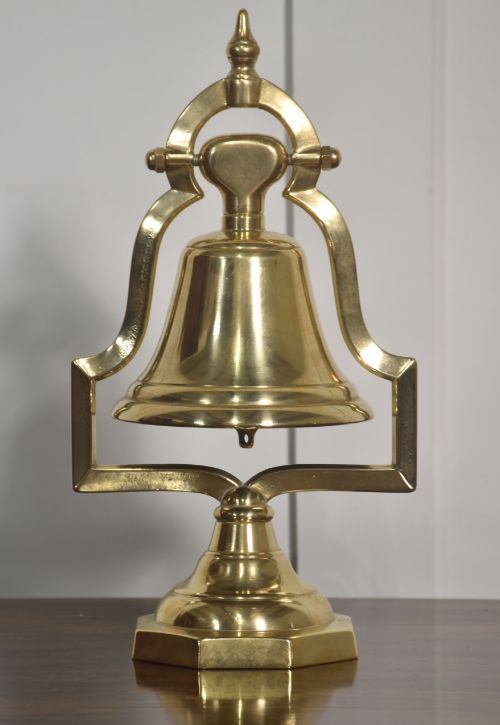
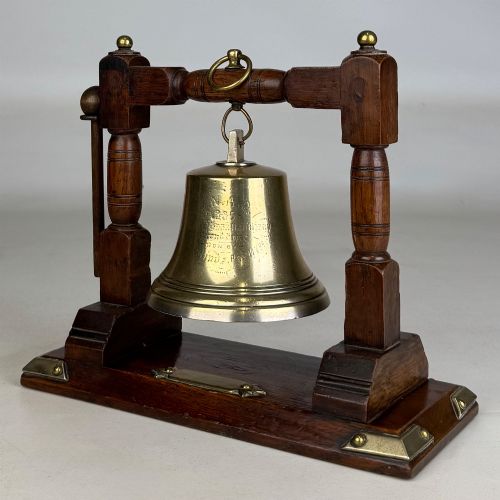
These vintage counter bell examples bring a crisp, functional chime to a desk or shopfront, shaped by late nineteenth and early twentieth century craftsmanship.
Vintage Counter Bell
When searching for a vintage counter bell, a buyer encounters practical communication tools from the nineteenth and twentieth centuries. These objects range from heavy brass desk pieces to mechanical novelties, designed for service environments or domestic spaces.
The most common examples on this page date from the Victorian and Edwardian periods up to the nineteen-thirties. They appear in forms such as desk accessories, table gongs, and mechanical animal figures.
Makers utilised sturdy metals and mounted them on wooden bases to ensure clarity of sound and stability during use. The selection reflects both commercial utility and decorative tabletop design from past eras.
How they were made
Makers cast brass, bronze, and iron to form the resonant domes and striking mechanisms of these bells. These metals provide the necessary weight and durability for frequent daily use.
Makers often combined polished brass with oak or ebonised wood bases to anchor the instruments firmly on a surface. Sterling silver and silver-plating also appear on finer examples intended for reception desks.
Intricate mechanical assemblies hidden within the bodies allow novelty figures or plunger mechanisms to operate smoothly. Craftsmanship focused on both the acoustic tone of the bell and the tactile quality of the metal.
Listings feature items from the Victorian, Edwardian, and nineteen-thirties periods, constructed from brass, oak, cast iron, and sterling silver.
What varies in quality
The weight of the cast metal and the clarity of the ring separate standard production pieces from finer items. Solid brass and bronze components deliver a richer, more resonant tone than lighter plated alternatives.
The integration of materials determines the overall standard of a piece, such as a well-fitted oak stand supporting a heavy brass dome. Superior examples display careful finishing on both the metalwork and the turned wooden mounts.
Palethorpes
The Vintage Counter Bell Glossary
- Table gong
- A small suspended metal disc or bell struck with a mallet, used in dining rooms or large halls. It produces a deeper tone than a standard desk bell.
- Mechanical bell
- A piece containing internal levers or gears, often shaped as an animal, which strikes the bell when a part is pressed. These novelty items were popular in the late nineteenth century.
- Ebonised wood
- Timber treated with a dark finish to resemble ebony, frequently used for the polished bases of Victorian desk accessories.
- Cast brass
- Molten brass poured into a mould to create solid, shaped components for bell bodies and stands.
Vintage Counter Bell: Frequently Asked Questions
How do you ring a mechanical counter bell?
Mechanical bells usually operate by pressing a lever, a plunger, or a specific part of a figural casting. The internal mechanism then drives a small internal hammer against the dome.
This design allowed shopkeepers or receptionists to summon attention quickly without lifting the entire object from the desk.
What materials were used for Victorian desk bells?
Victorian desk bells relied heavily on cast brass, bronze, and iron for their resonant parts. These metals were frequently paired with oak or ebonised wood bases to provide stability.
Finer reception pieces incorporated sterling silver or silver plating for a more formal appearance on hotel or club desks.
Where were table gongs placed in a home?
Table gongs sat in dining rooms, entrance halls, or large reception spaces during the late nineteenth and early twentieth centuries. They served to announce meals or summon household staff.
The suspended metal disc allowed the sound to carry effectively through the rooms of a large country house.
How can you tell an Edwardian bell from a Victorian one?
Edwardian pieces often share similar brass and oak materials with Victorian items but generally display slightly lighter proportions and cleaner lines. Victorian pieces frequently lean towards heavier cast ornament and darker ebonised woods.
Exact dating usually relies on hallmarks for silver elements or registered design numbers stamped into the metal.