
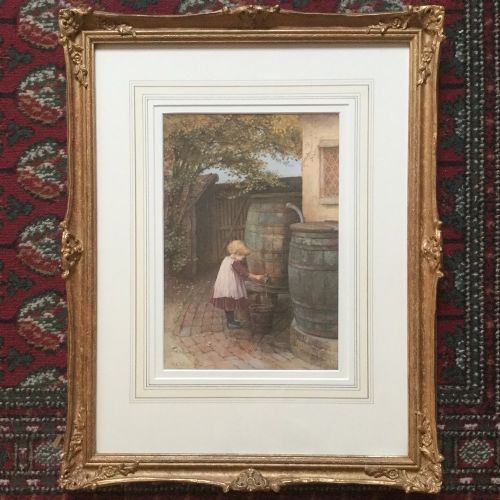


Vintage Cottage Landscape
Vintage cottage landscape works capture rural dwellings and gardens through nineteenth and twentieth-century painting traditions, offering buyers a window into pastoral life.
Vintage Cottage Landscape
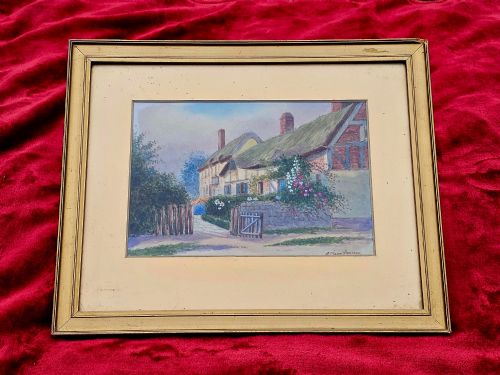
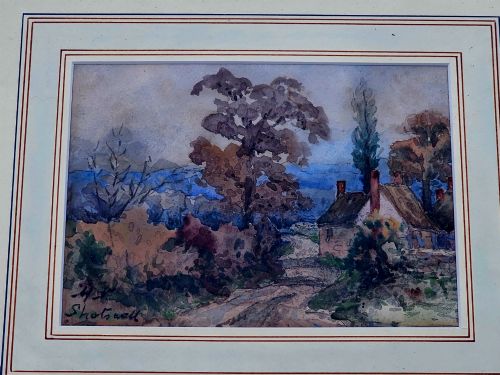
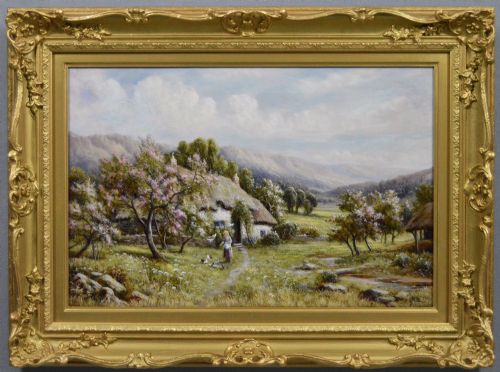
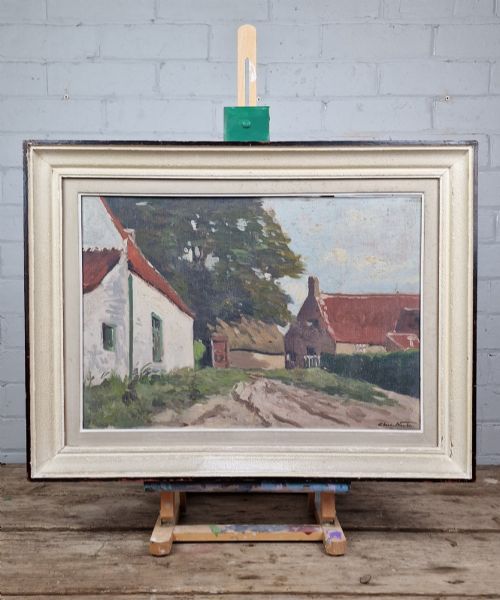
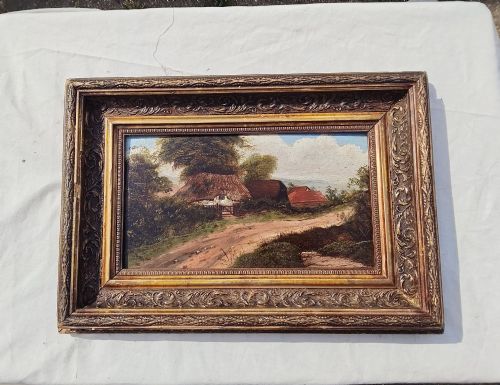
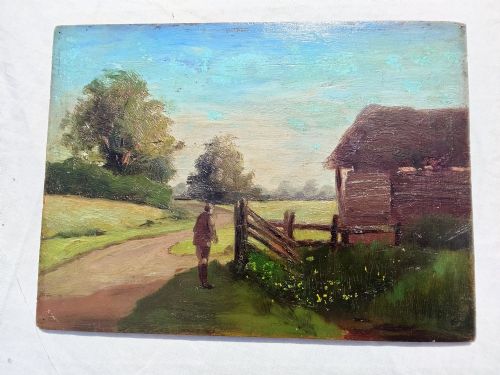
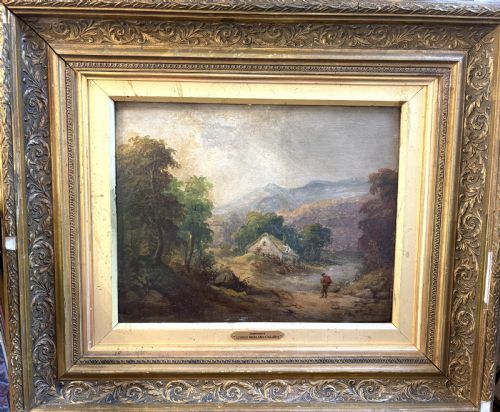
A vintage cottage landscape depicts rural homes, gardens, and surrounding countryside rendered by artists working across the nineteenth and twentieth centuries. These works frequently focus on thatched roofs, garden paths, and pastoral scenes set near rivers or fields.
Most examples encountered on this page originate from the Victorian era through the mid-century period, encompassing both British and European traditions. Painters captured these domestic rural settings in oils and watercolours, ranging from detailed studies to broader impressionistic treatments.
Materials and methods
Artists painted these rural scenes using oil on canvas, wood, board, or card, alongside watercolour pigment applied to paper. These traditional supports and media determined the surface texture and the longevity of each composition.
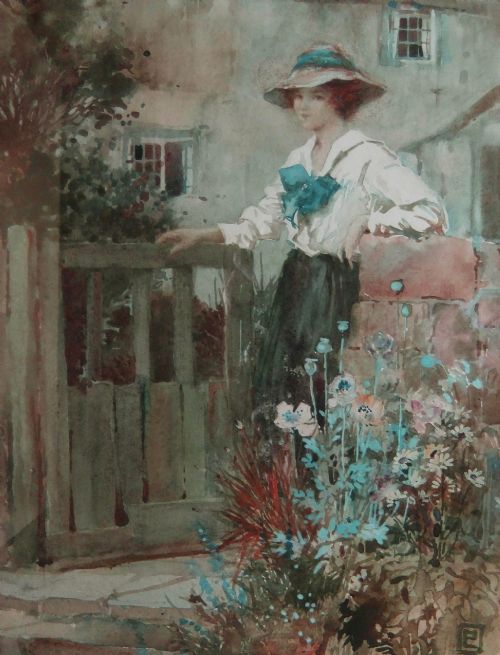
Makers layered pigments with brushes to build up the landscape details, from the foliage of a cottage garden to the water of an adjoining stream. Works on paper often utilised transparent washes of watercolour, while oil paintings relied on denser, opaque applications of colour.
Ducks, geese, sheep, and hens frequently wander into these painted cottage gardens and riverbanks.
Distinctions in quality
The strength of a composition rests on the artist's handling of light, shadow, and perspective within the rural setting. Finer paintings display a confident grasp of atmospheric depth, making the cottage and garden feel integrated into the surrounding landscape rather than isolated.
Brushwork and medium handling further differentiate the works, with skilled practitioners capturing texture in thatch, foliage, and water efficiently. The presence of a clear signature or attribution to a recorded painter elevates the historical standing of the piece.
A. Marie Parsons·Charles Houben·George Morland·Mario Pinetti·Reginald Grange Brundrit·Fred Lawson·Arthur Tucker·William Hoggatt·James Hardy Junior·Frederick James Knowles·William Greaves·Charles Vickers·John McDougal·Donald McIntyre·Owen Bowen·Ernest Higgins Rigg·Kershaw Schofield·Lilian Stannard·Helmut Reuter·Harry Sylvester Stannard·Robert Gemmell Hutchinson·Julius Paulsen
The Vintage Cottage Landscape Glossary
- Oil paint
- A slow-drying medium composed of pigments suspended in a drying oil, typically linseed. This allowed artists to blend tones smoothly and create rich textures on canvas or board.
- Watercolour
- A paint consisting of colorants suspended in a water-soluble vehicle, traditionally applied to paper supports. It produces luminous, transparent washes ideal for atmospheric rural scenes.
- Impressionism
- An art movement characterised by relatively small, thin, yet visible brush strokes and an open composition. Practitioners focused on accurate depiction of light and its shifting qualities.
- Pastoral
- A genre of art depicting the rural life of shepherds, farmers, and country cottages in an idealized or tranquil manner. These scenes emphasise harmony between humanity and nature.
- Provenance
- The chronology of the ownership, custody, or location of a historical artwork. A documented history helps confirm the authenticity and origin of a painting.
Vintage Cottage Landscape: Frequently Asked Questions
What periods do these paintings date from?
The works span from the nineteenth century through the mid-twentieth century, capturing changing artistic styles over several decades. Many examples originate from the Victorian and Edwardian eras up to the nineteen-sixties.
Creators during these periods recorded rural architecture and country gardens using traditional painting techniques that reflect their respective artistic movements.
How were these landscape works created?
Artists utilised oil paints on canvas, wood panels, and card, or applied watercolour pigments directly onto paper supports. These materials were chosen by painters to achieve either luminous transparent washes or rich, textured surfaces.
Brushwork varied from precise, detailed studies of cottage architecture to looser, impressionistic strokes capturing atmospheric effects in the countryside.
Where should I hang a landscape painting?
These domestic rural scenes suit rooms where natural light enhances the painted tones of gardens, cottages, and rivers. Placing them away from direct sunlight preserves the stability of both paper and canvas supports.
Traditional framing helps anchor the artwork visually to the wall, echoing the period character of the landscape subject matter.
How can I tell watercolors and oils apart?
Watercolour paintings typically display transparent pigments on a paper support, frequently displayed beneath protective glass. Oil paintings present a thicker, opaque surface texture on canvas, board, or wood panels without glass.
Examining the edges of the support and the surface sheen reveals whether the artist used oil-based binders or water-soluble media.