



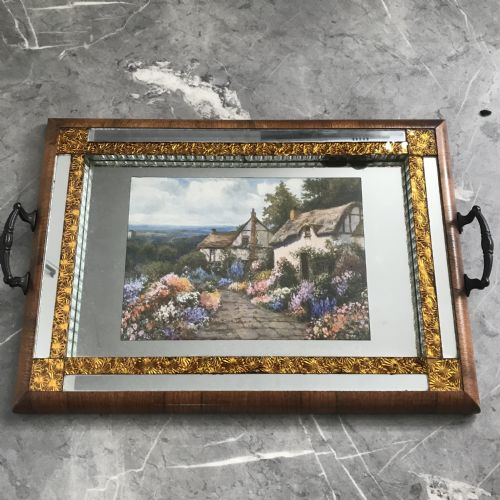

Vintage Cottage Art
Vintage cottage art brings rural charm into the home through rural scenes, pastoral landscapes, and traditional depictions of country houses.
Vintage Cottage Art
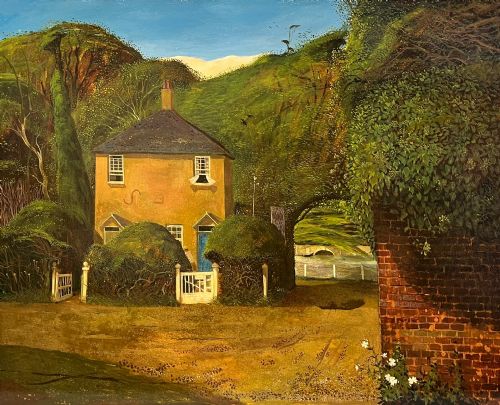
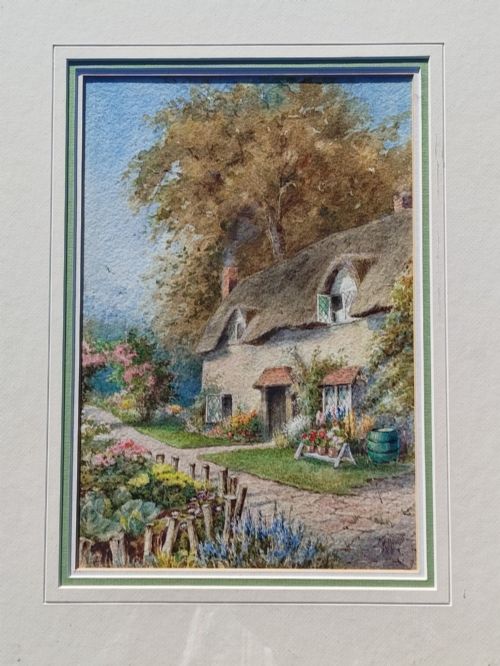
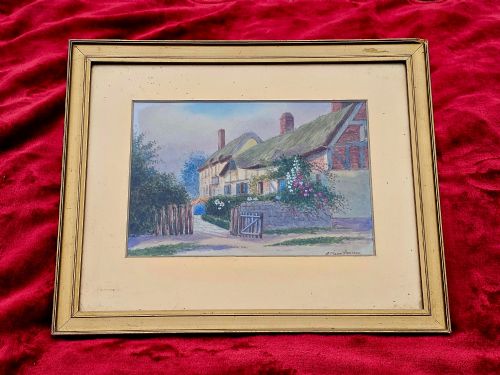
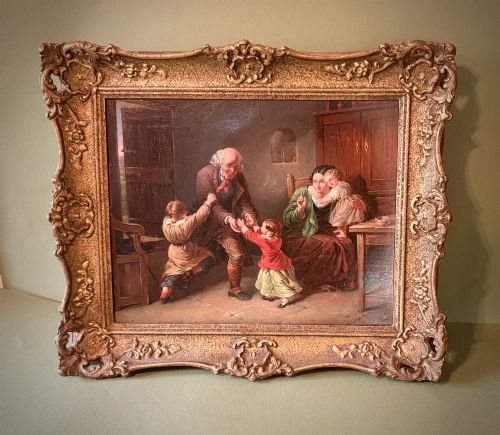
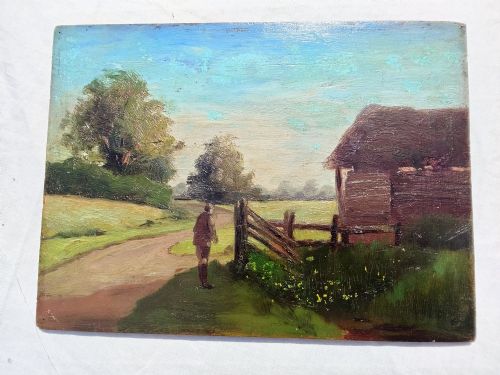
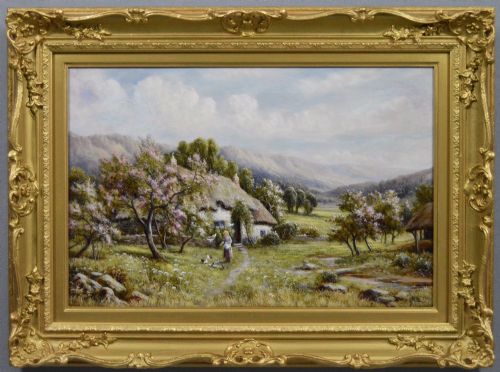
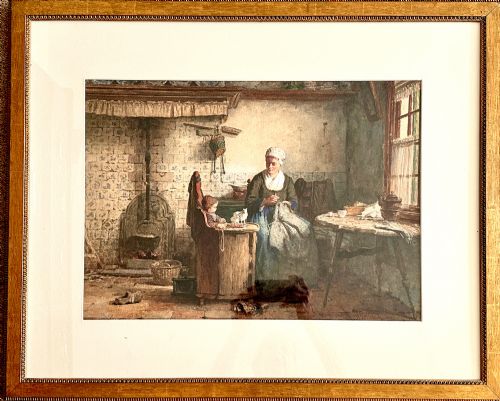
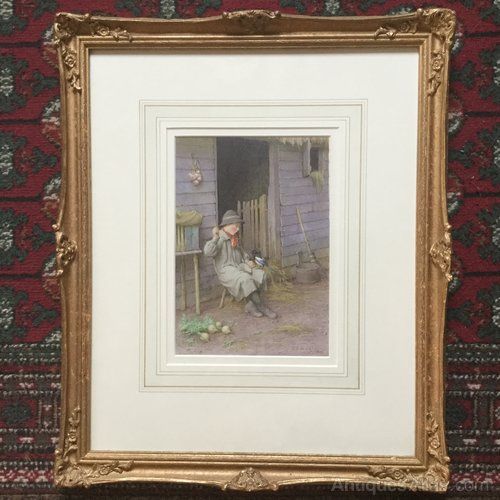
Vintage cottage art encompasses paintings, watercolours, and framed artwork depicting rural dwellings, farmyards, and rustic landscapes from the nineteenth and twentieth centuries. Buyers seeking vintage cottage art find works spanning Victorian genre painting, British Impressionism, and folk art.
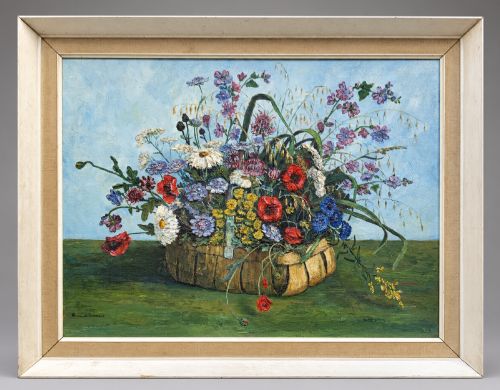
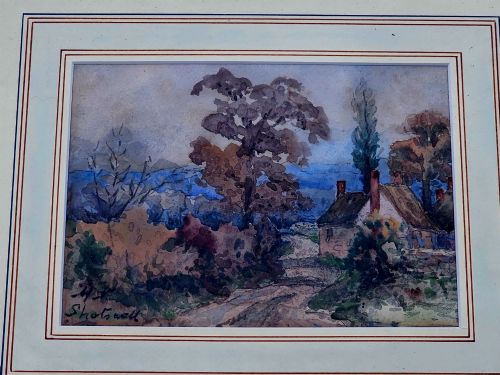
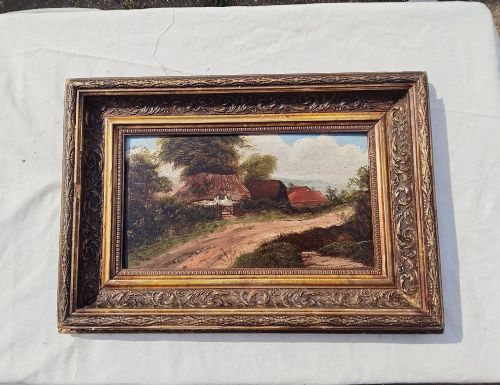
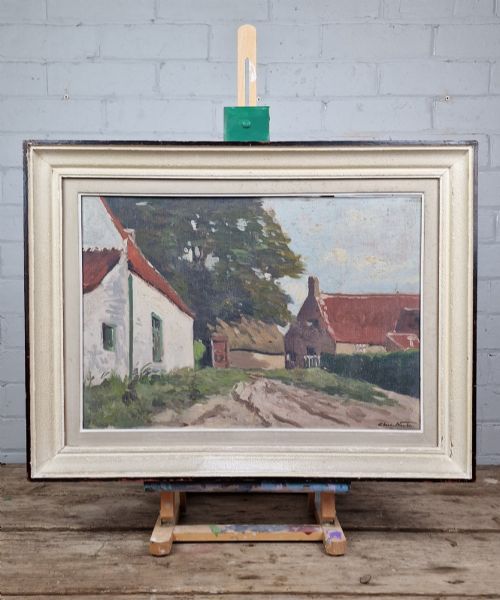
The most common examples on this page are watercolours on paper and oil paintings on canvas, panel, or board. These pieces capture quiet rural subjects, from thatched cottages beside rivers to farmyard scenes by various British and European schools.
Materials and Techniques
Artists painted these works using oil paint and watercolour pigment applied to canvas, wooden panels, card, or heavy paper. Canvas and panels provided stable surfaces for textured oil layers, while paper suited delicate watercolour washes.
Compositions often relied on traditional academic training or self-taught folk methods, ranging from detailed Victorian genre studies to looser post-impressionist brushwork.
Vintage Cottage Art Retail Price Guide 2026
Typical asking prices for vintage cottage art among the pieces listed under this phrase on Sellingantiques today, from the lower quarter to the upper quarter. They describe what is for sale here now, not the wider market.
Listings feature works created across multiple decades, including Victorian, Edwardian, and mid-century periods.
Assessing Quality
Quality rests upon the artist's handling of light, brushwork confidence, and compositional balance rather than subject matter alone. Works by formally exhibited painters or named practitioners generally display greater technical assurance in perspective and tonal harmony.
The preservation of the pigment and the condition of the support, such as minimal cracking in oil films or freedom from foxing in paper watercolours, dictate the overall integrity of the piece.
Robert John Hammond·Charles Houben·Hendrik Valkenberg·Percy Lancaster·Charles Edward Wilson·Mario Pinetti·Reginald Grange Brundrit·Fred Lawson·Arthur Tucker·William Hoggatt·James Hardy Junior·Frederick James Knowles·George Smith·William Greaves·Charles Vickers·John McDougal
The Vintage Cottage Art Glossary
- Watercolour pigment
- A colour medium made from finely ground pigment suspended in a water-soluble binder, traditionally painted on paper.
- Genre painting
- Artwork depicting scenes from everyday life, often featuring figures engaged in domestic tasks or rural labour.
- Post-Impressionism
- An art movement extending roughly from the late nineteenth century that rejected impressionist naturalism in favour of expressive forms and colour.
- Panel
- A rigid wooden board or flat support used as an alternative to stretched canvas for oil painting.
Vintage Cottage Art: Frequently Asked Questions
What periods do these pieces date from?
The works span from the nineteenth century through the Edwardian and Art Deco eras up to mid-century examples.
Most items originate between the late nineteenth century and the mid-twentieth century.
How should I hang watercolour paintings?
Watercolours require placement away from direct sunlight to prevent fading of the delicate pigments on paper.
Framing behind glass with acid-free mounts protects the surface from atmospheric moisture and dust.
What is the difference between oil and watercolour?
Oil paint utilises a slow-drying oil medium that allows for rich texture and deep colour layering on canvas or board.
Watercolour uses water-soluble binder on paper, creating a transparent, luminous effect.
How were these artworks used originally?
These framed artworks served as domestic wall decoration in parlours, drawing rooms, and country houses.
They provided urban and rural households with picturesque views of domestic gardens, rivers, and thatched cottages.