





Vintage Correspondence Desk
A vintage correspondence desk offers a dedicated home for writing materials, bringing practical elegance and period charm to any study.
Vintage Correspondence Desk
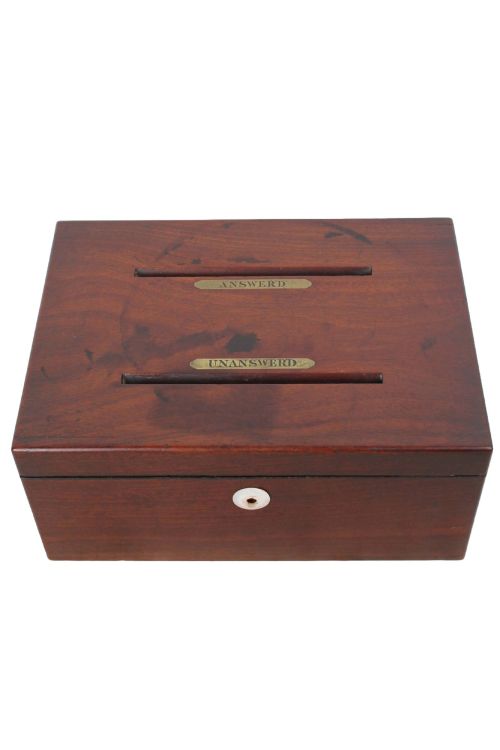
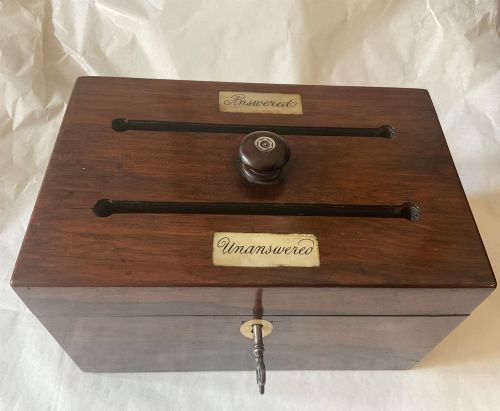
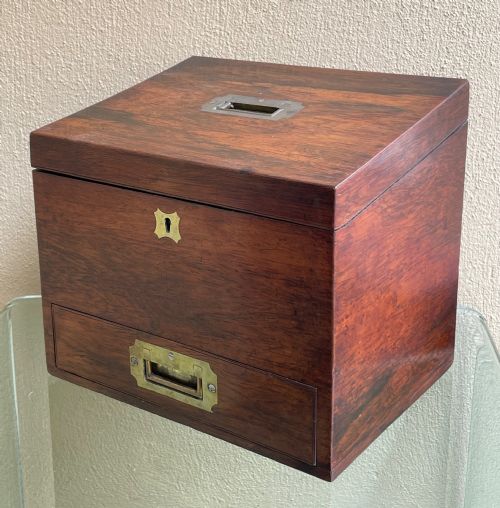
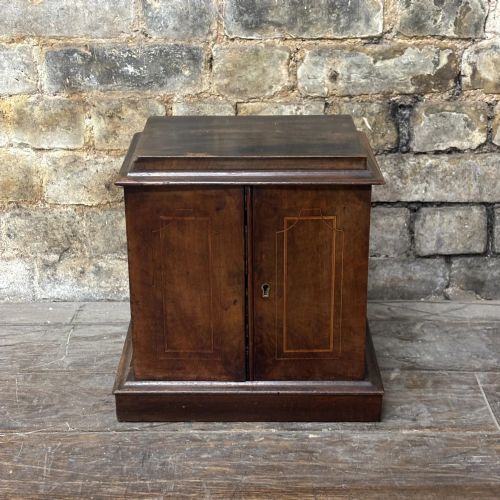
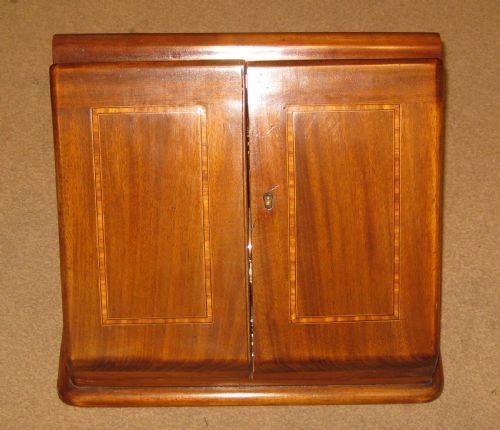
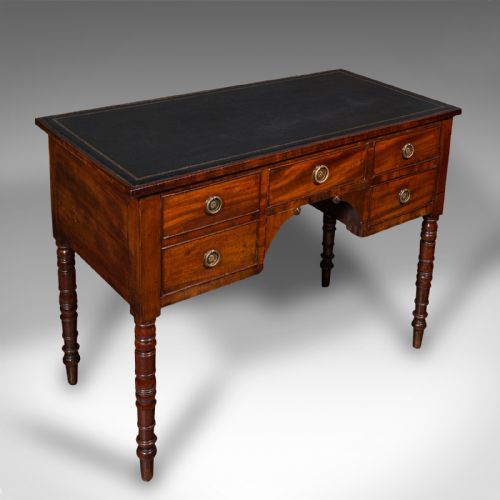
A vintage correspondence desk encompasses compact writing slopes, stationery cabinets, and correspondence boxes designed to hold letters and writing implements. These pieces range from portable campaign boxes with integrated slopes to larger freestanding writing tables and desktop stationery cabinets.
Victorian examples dominate the selection, often rendered in mahogany, walnut, or oak, alongside Edwardian cabinets and Georgian bi-fold slopes. Buyers frequently encounter variants featuring fall fronts, brass mounts, or inlaid woodwork tailored for domestic organisation.
How They Were Made
Cabinet makers utilised dense hardwoods such as mahogany, walnut, oak, rosewood, and satinwood to construct durable boxes and writing tables. Brass mounts, campaign handles, and leather writing surfaces were frequently incorporated to enhance utility and resilience.
Internal compartments often featured bone details, secret drawers, and fitted partitions designed specifically to organise paper, envelopes, and inkwells. Skilled joinery ensured that hinged slopes and fall fronts remained secure during daily use.
What Varies in Quality
The refinement of timber selection and complexity of internal arrangement largely dictate the standard of a correspondence piece. Finer examples display meticulous inlay work, superior brass hardware, and tightly fitted secret compartments rather than plain secondary woods.
Structural integrity of the hinged writing slopes and the original condition of leather inserts or brass mountings distinguish standard utilitarian items from exceptional decorative pieces.
Austin
The Vintage Correspondence Desk Glossary
- Writing slope
- A portable or desktop box with a slanted lid designed to provide a comfortable writing surface. Inside, compartments hold paper and pens.
- Stationery cabinet
- A desktop piece with a door or fall front concealing pigeonholes and shelves for paper and envelopes. These became particularly popular during the late nineteenth and early Edwardian periods.
- Campaign box
- Portable furniture constructed with brass corners and recessed handles for transport during military campaigns. They are built for durability and efficient packing.
- Fall front
- A hinged panel that drops down to form a writing surface or to grant access to internal pigeonholes and drawers. This mechanism is common in stationery cabinets and desk tidies.
- Secret drawer
- A concealed compartment hidden behind removable partitions or activated by a hidden release catch. These were utilised to secure private letters and valuables.
Vintage Correspondence Desk: Frequently Asked Questions
What is a vintage correspondence desk?
A vintage correspondence desk refers to portable writing slopes, stationery cabinets, and compact writing tables used for letter writing and document storage.
These pieces typically date from the Georgian, Victorian, and Edwardian eras and feature fitted compartments for paper, envelopes, and ink.
How were correspondence boxes used?
They served as portable or desktop storage units for writing materials, allowing Victorians to keep their stationery organised in the parlour or study.
Many incorporated locking mechanisms and secret drawers to keep private correspondence secure from prying eyes.
How do I tell Victorian from Edwardian pieces?
Victorian pieces often utilise rich dark timbers like rosewood and walnut, frequently featuring heavy brass mounts or elaborate inlay. Edwardian examples tend towards lighter mahogany or golden oak with simpler lines and Arts and Crafts influences.
Examining the internal drawer construction and hardware styles helps confirm the period of manufacture.
Where should I place one at home?
Desktop stationery cabinets and correspondence boxes sit well on top of modern sideboards, bookshelves, or larger desks. Freestanding writing tables function effectively as compact accent desks in a living room or bedroom.
Keep them away from direct heat sources to protect the polished wood surfaces and leather inserts.