



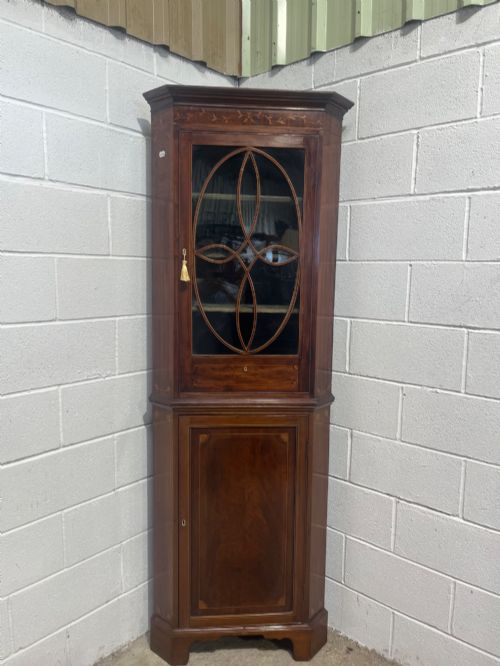
Vintage Corner Display
A vintage corner display turns neglected room junctions into focal points, housing treasured objects within glass-fronted cabinets, tiered shelves and wooden cupboards.
Vintage Corner Display
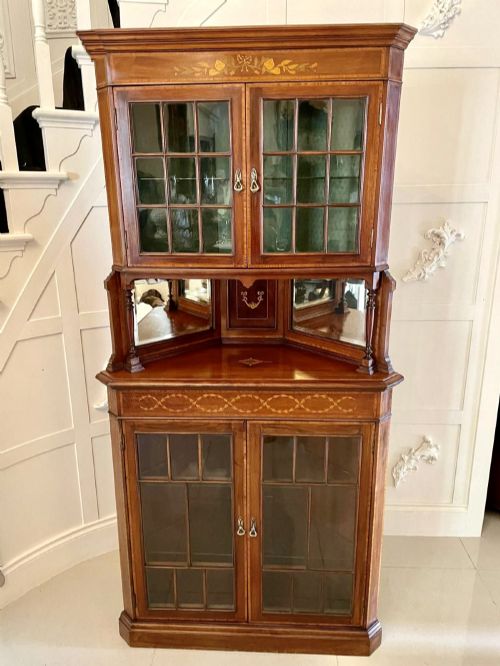
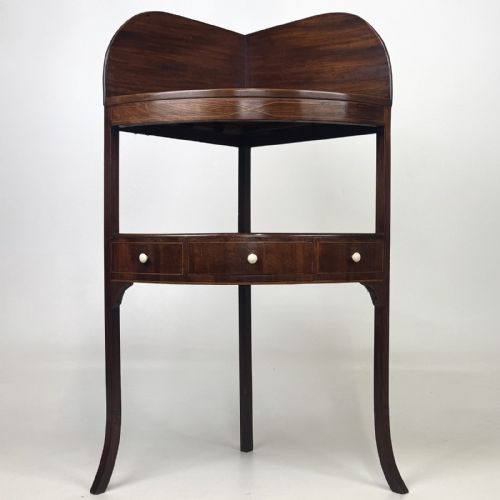
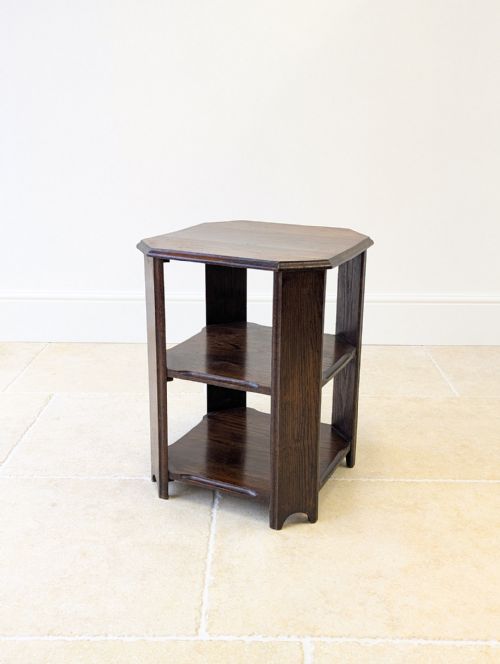
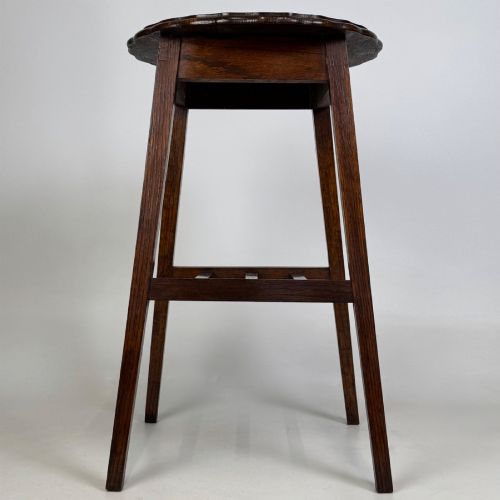
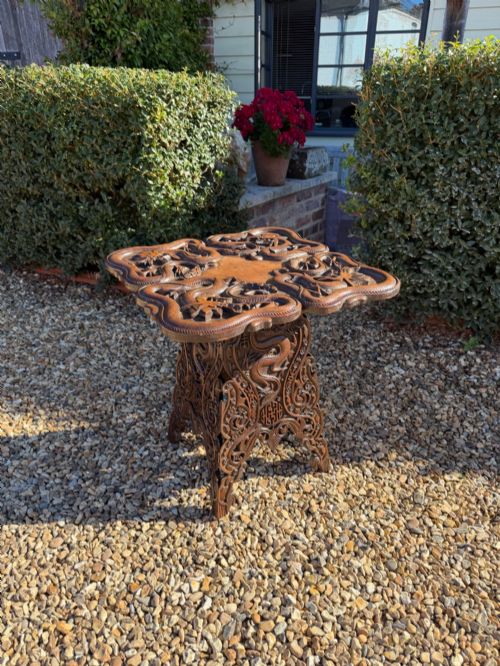
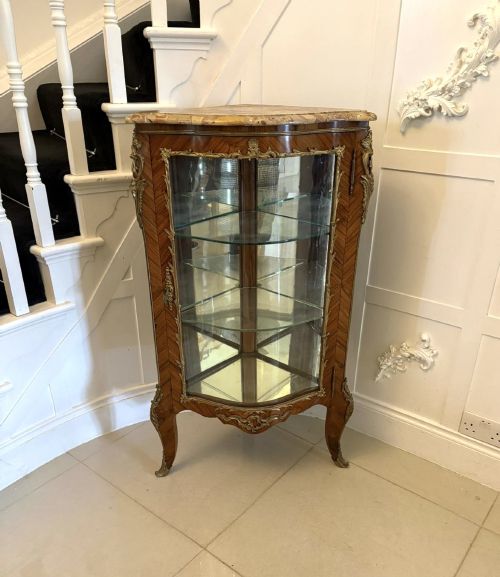
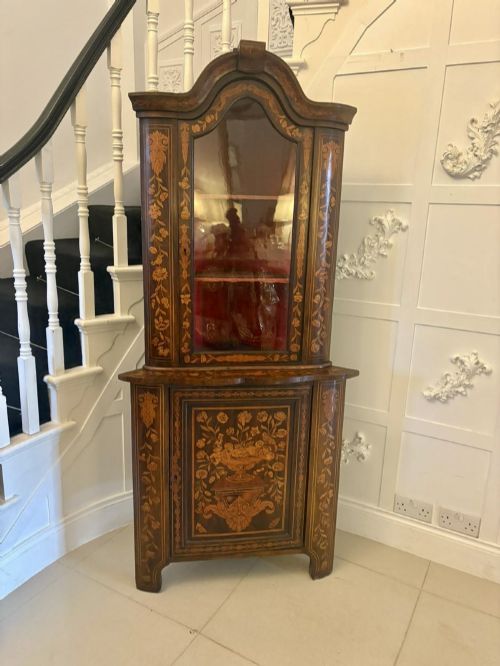
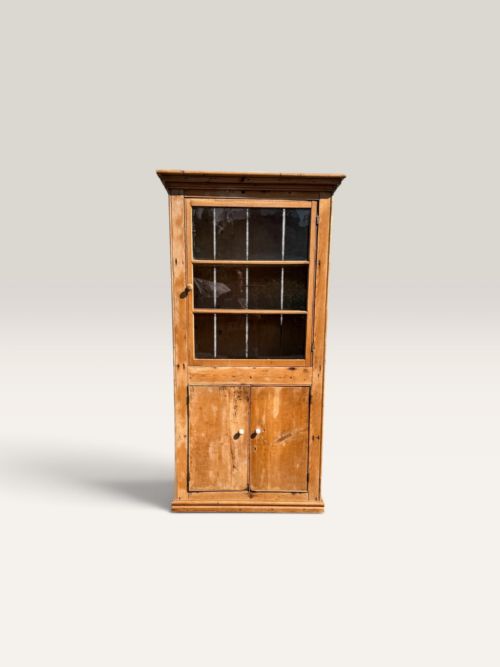
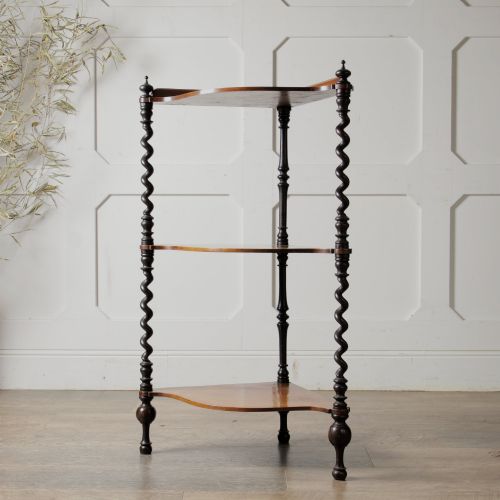
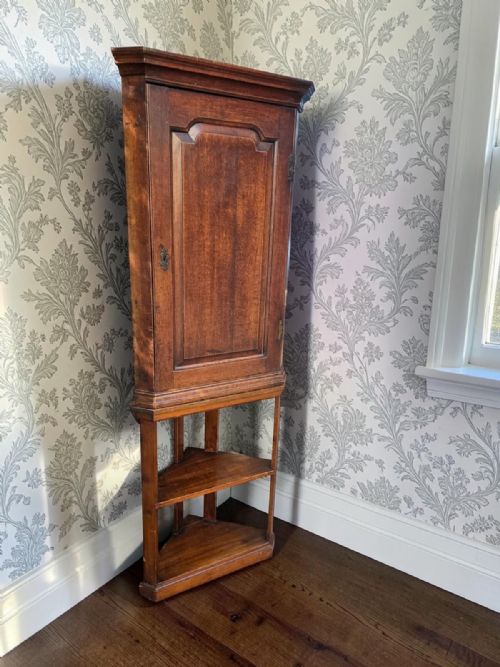
When you search for a vintage corner display, you encounter a variety of timber furniture designed to fit snugly into room intersections. The selection ranges from tall floor-standing corner cupboards and glazed display cabinets to open multi-tiered whatnots and wall-mounted shelves.
Most pieces date from the Victorian and Edwardian eras, alongside examples from the eighteenth century up to the mid-twentieth century. You find enclosed storage with solid timber or glazed doors sitting alongside open shelving units built to exhibit ceramics and glassware.
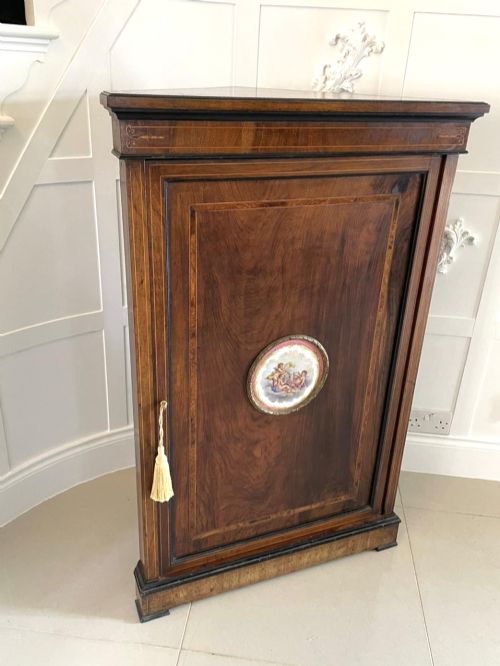
Origin and form vary widely, from simple panelled oak cupboards originating in Welsh or English country homes to elaborate inlaid mahogany and burr walnut cabinets bearing revival styles. These items served traditionally to utilise awkward spaces while keeping prized possessions visible and protected.
How they were made
Cabinet makers constructed these items primarily in hardwoods like mahogany, oak, and walnut, frequently applying decorative veneers such as burr walnut, kingwood, or satinwood inlay. Glass panes fitted into doors allow visibility into the interior, whilst brass hinges, ormolu mounts, and painted internal surfaces complete the detailing.
Construction techniques involve stable corner-fitting carcasses, dovetail joinery in drawers, and turned supports like barley twist columns. Many taller examples employ a two-part design to ease transport and placement within domestic interiors.
Several items retain their original painted interiors, offering a contrasting splash of colour behind glass doors.
What varies in quality
The distinction between standard utility items and superior examples lies in the selection of timber veneers and the finesse of decorative details. Finer pieces display carefully matched burr walnut or intricate marquetry and parquetry, whereas simpler pieces rely on plain painted pine or solid oak.
Proportion and execution define the standing of a cabinet, from robust country joinery designed for daily service to refined metropolitan cabinet work featuring delicate stringing, brass mounts, and glazed arched doors.
The Vintage Corner Display Glossary
- Whatnot
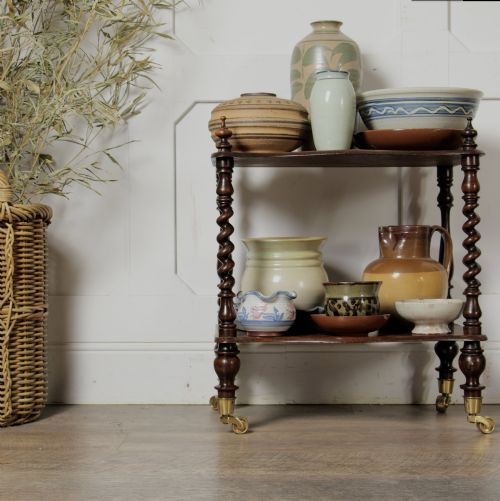
- A set of open shelves supported by pillars, used for displaying ornaments and small objects. These tiered pieces often fit into corners or stand against walls.
- Marquetry
- Decorative veneer work forming pictures or geometric patterns by fitting together pieces of various woods. It appears frequently on the doors of Edwardian and Georgian cabinets.
- Ormolu
- Gilded bronze mounts applied as ornamentation to furniture corners and feet. This technique is often seen on revival French cabinets.
- Barley Twist
- A turned wooden column resembling the spiral shape of barley sugar. This decorative support is characteristic of Victorian stands and tables.
- Glazed Door
- A timber frame fitted with glass panes to protect contents from dust while maintaining visibility. These doors are typical of display cabinets and corner cupboards.
Vintage Corner Display: Frequently Asked Questions
What fits inside a corner display?
These cabinets suit porcelain, glassware, books and decorative ornaments collected over time. The enclosed cupboards below often conceal larger household items.
Shelved interiors keep smaller collections organised and visible without cluttering main room surfaces.
How do I measure for a corner cabinet?
Measure the wall span extending out from the corner on both sides to confirm the cabinet width. Check the vertical clearance from floor to cornice, especially in rooms with low ceilings.
Take note that corner angles are rarely ninety degrees true, so allow small tolerances for older walls.
Are two-part cupboards hard to move?
Two-part corner cupboards separate into an upper glazed section and a lower solid base for transport. This division makes handling heavy oak and mahogany pieces considerably easier.
Lifting the top section off lightens the load and protects delicate glass doors during relocation.
How do I care for polished wood?
Maintain polished mahogany, walnut and oak surfaces by dusting with a soft dry cloth. Avoid placing timber furniture in direct sunlight or beside heat sources to prevent veneer lifting.
Apply traditional wax polish sparingly to nourish the grain and preserve the finish.