


Vintage Copper Planter Tub
These vintage copper planter tub examples span nineteenth century utility forms and French country display vessels, bringing warmth and character to gardens and hearths.
Vintage Copper Planter Tub
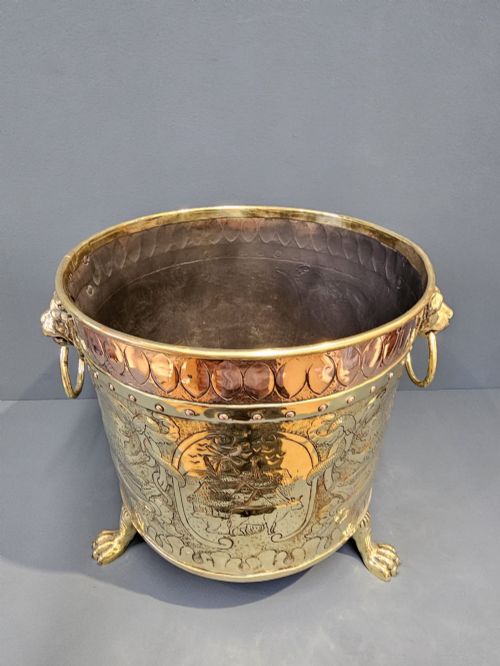
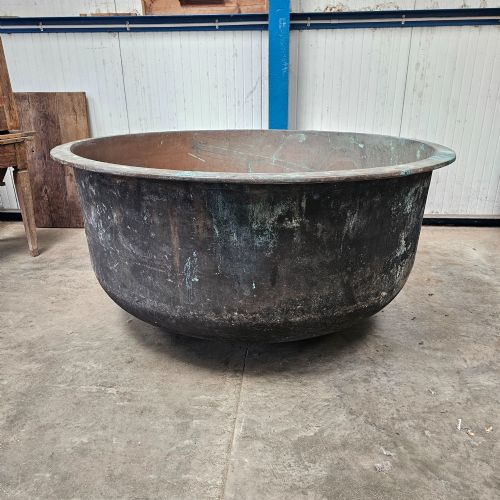
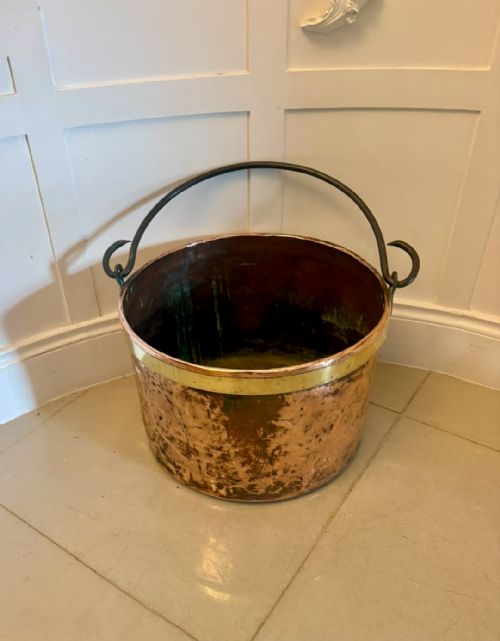
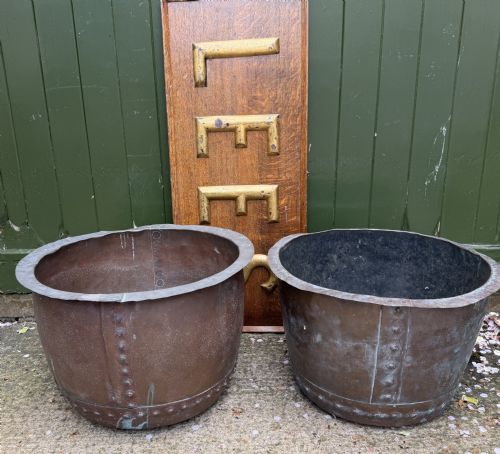
A vintage copper planter tub brings heavy nineteenth century utility into modern spaces, drawing on forms originally made for fireside fuel storage, kitchen boiling and agricultural work. When searching for a vintage copper planter tub, buyers encounter substantial vessels ranging from French cheese vats and garden display pots to heavy British log bins and wash tubs.
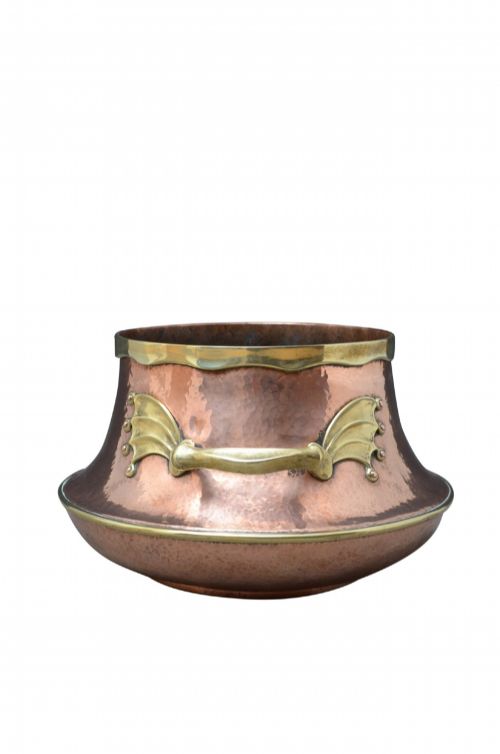
Victorian examples dominate the selection, often combining hand-beaten metalwork with brass bands, drop handles or iron swing mounts. Many pieces designed initially as coal scuttles, grain measures or cauldrons now serve primarily as planters and jardinieres for interior foliage or garden displays.
Materials and construction
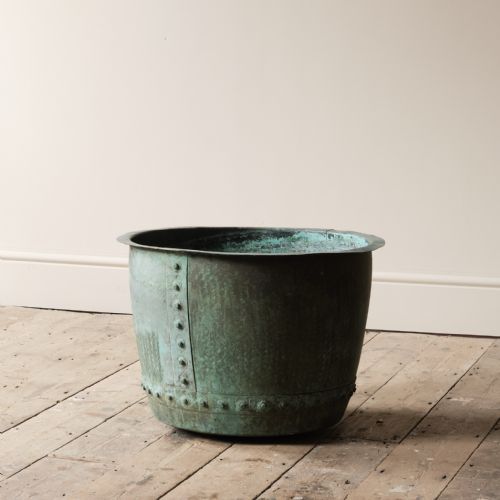
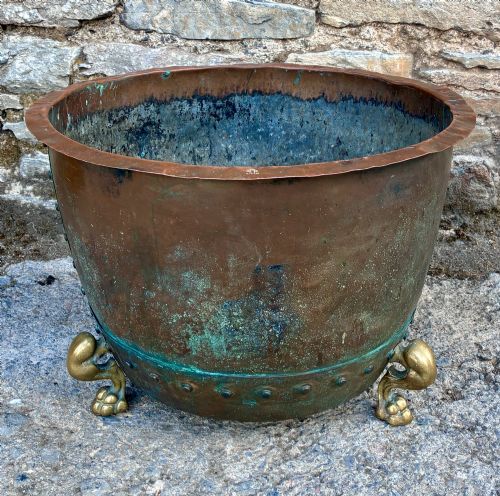
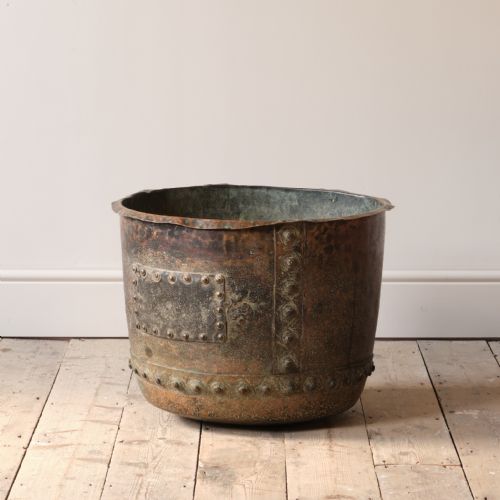
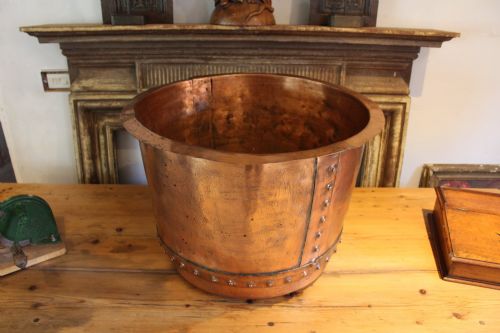
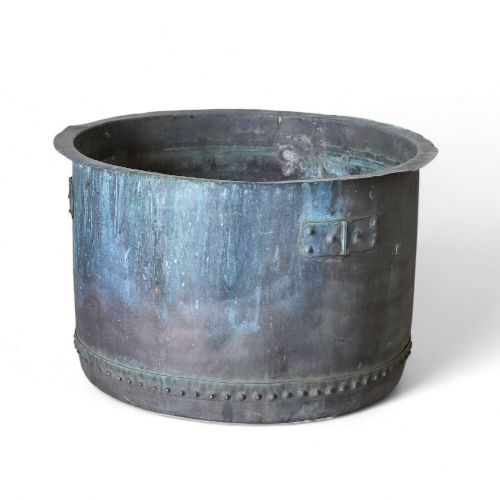
Construction relies heavily on thick sheet copper joined by hand-riveting, where overlapping seams are secured with flush metal rivets that show distinct individual hammering. Workshops frequently added contrasting brass bands, cast iron swing handles, and wrought iron mounts to reinforce heavy vessels against daily use.
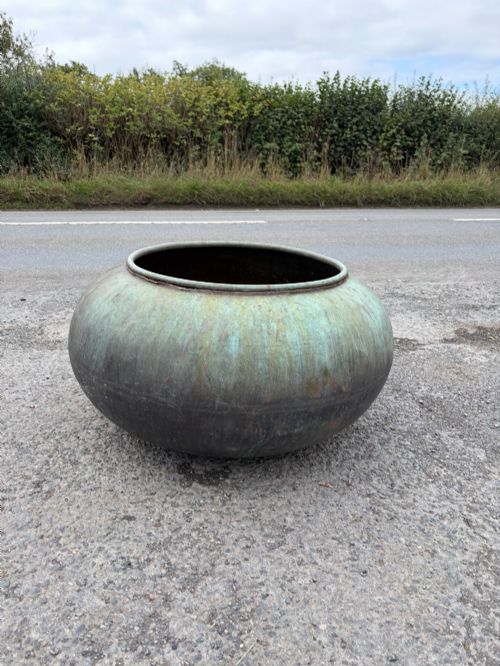
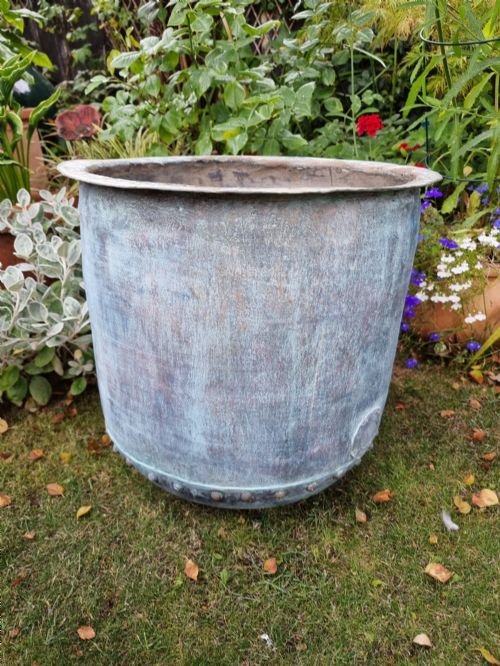
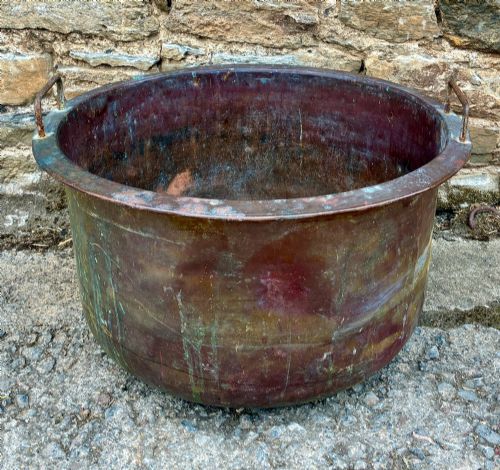
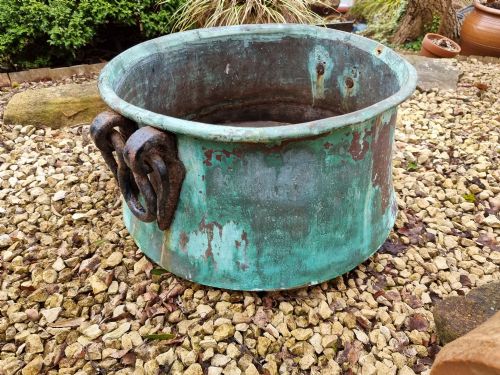
Surfaces display natural patination, verdigris oxidation, and historical hammer marks rather than uniform factory finishes. Tin linings appear inside vessels intended originally for food preparation or washing, while unlined pots develop rich oxidised tones over decades of exposure.
Assessing the physical standard
Quality rests in the weight of the metal sheet, the integrity of the hand-formed rivets, and the preservation of original handles and mounts. Superior pieces maintain their structural rigidity without excessive splitting along stress points, showing crisp hand-hammered texture rather than modern machine rolling.
The character of the surface finish distinguishes exceptional survivors from ordinary examples, with undisturbed aged patination and authentic verdigris holding greater appeal than stripped or polished metal. Original brass trim, iron swing handles and matching proportions elevate the standing of individual vessels.
The Vintage Copper Planter Tub Glossary
- Patina
- The surface oxidation and mellowed colour developed by copper and brass over decades of exposure to air and handling. This natural skin protects the metal and indicates genuine age.
- Verdigris
- The green crust or patina formed on copper through atmospheric weathering and oxidation. Collectors value this stable surface layer for its visual depth.
- Jardiniere
- An ornamental pot or stand designed to hold growing plants or cut flowers. These vessels often feature decorative brass trim or embossed details.
- Cauldron
- A large deep metal pot with a wide mouth, usually fitted with an iron swing handle for hanging over a fire. Early examples served heavy domestic or agricultural tasks.
- Ferrat
- A traditional French copper agricultural or wine-making vessel type. These heavy utilitarian containers often display robust hand-riveted construction.
Vintage Copper Planter Tub: Frequently Asked Questions
How do I clean a copper tub?
Wash the surface gently with warm soapy water and a soft cloth to remove accumulated dust without disturbing the historic oxidised layer. Avoid abrasive scouring pads or harsh chemical cleaners that strip away the authentic patination.
Dry the metal thoroughly with a soft towel after washing to prevent water spotting. Leave the verdigris and dark patination untouched, as these aged surfaces form an essential part of the piece's character.
Can these tubs go outdoors?
Most heavy copper vessels handle outdoor garden conditions well because the durable metal withstands weathering while developing deeper verdigris tones. Place them on stable surfaces where standing water will not continuously collect against the base.
Protect unlined pots from freezing waterlogged soil during severe winter frosts by elevating the base slightly. Bringing delicate vessels indoors during freezing weather prevents potential stress splits in older riveted seams.
How were these vessels used originally?
Makers designed these heavy copper containers for demanding domestic and agricultural labour such as boiling laundry, hauling coal, measuring grain, and heating water. Many large vessels also functioned as cheese vats or cooking cauldrons in rural farmhouses.
Over time, changing household tasks rendered these utilitarian items obsolete for daily chores. Their robust construction and generous proportions made them natural candidates for holding fuel logs, water plants, and large indoor foliage.
How do I spot a reproduction?
Examine the seams and rivets closely for signs of consistent hand-crafting rather than uniform modern machine fabrication. Authentic nineteenth-century pieces display irregular hand-hammered marks and thick, heavy-gauge copper sheets.
Look for genuine aged patination that penetrates into crevices and around rivet heads rather than an even, spray-applied artificial finish. Antique vessels carry the distinct weight and slight surface asymmetries typical of historical workshop production.