





Vintage Copper Decor
Vintage copper decor brings warm metallic tones and historical utility into modern rooms through kettles, jugs, and plaques.
Vintage Copper Decor
Vintage copper decor encompasses functional household items and decorative objects produced across the eighteenth, nineteenth, and early twentieth centuries.
Buyers encountering this category most frequently meet domestic kitchenware, fireplace accessories, and wall plaques originating from Victorian, Edwardian, and Georgian periods.
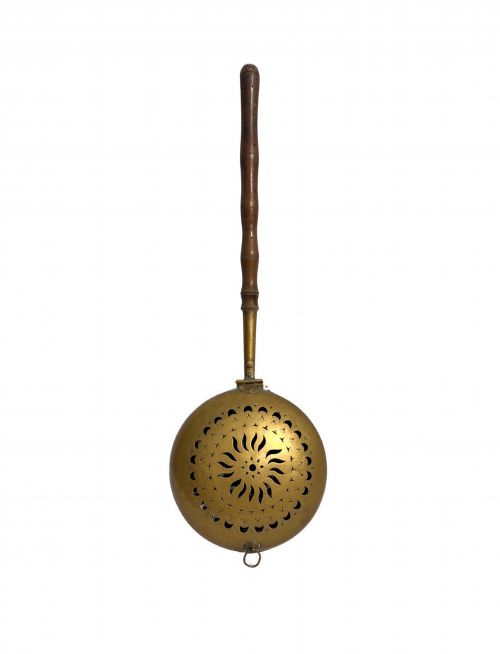
The selection ranges from utilitarian vessels like kettles, pans, and coal scuttles to ornamental wall plaques and desk accessories.
Materials and Techniques
Items in this category combine copper with contrasting brass fittings, iron handles, and wooden components to ensure structural durability.
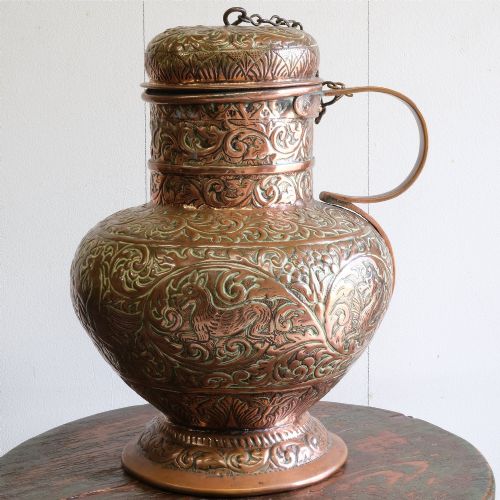
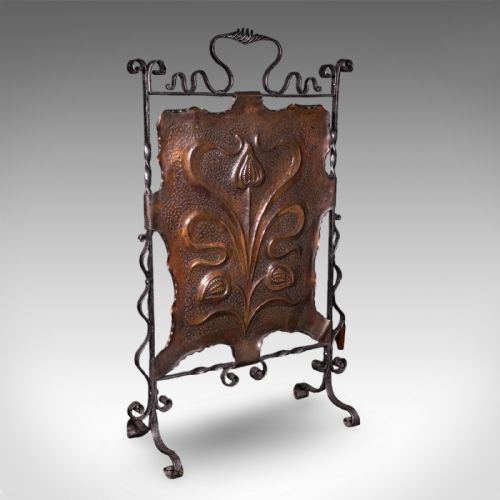
Craftsmen shaped metal sheets through hammering, rolling, and joining, often applying decorative engraving and repoussé work to surface areas.
Vintage Copper Decor Retail Price Guide 2026
Typical asking prices for vintage copper decor among the pieces listed under this phrase on Sellingantiques today, from the lower quarter to the upper quarter. They describe what is for sale here now, not the wider market.
Listings span the eighteenth, nineteenth, and early twentieth centuries, incorporating Georgian, Victorian, Edwardian, and Art Nouveau stylistic influences.
Assessing Quality
Quality rests upon the weight of the metal gauge and the precision of the hand-formed joints rather than mere surface shine.
Superior examples display crispness in engraved detailing and robust construction suited to practical household service.
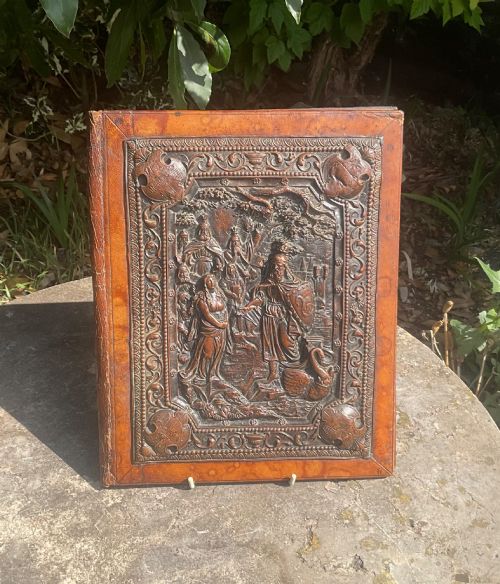
Wagner Lohengrin·Trottier
The Vintage Copper Decor Glossary
- Repoussé
- A metalworking technique where the artisan hammers the design from the reverse side to form a raised relief on the front. This method creates tactile depth on decorative chargers and wall plaques.
- Coal Scuttle
- A specialised bucket or container designed for holding and transporting domestic fireplace fuel. These utilitarian pieces often feature brass handles and swing lids.
- Jelly Mould
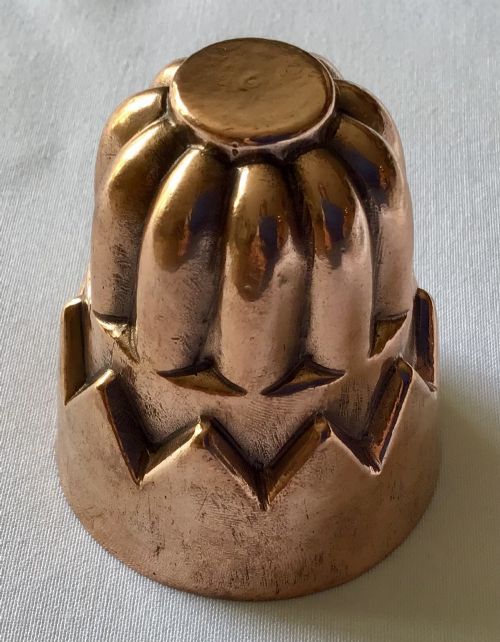
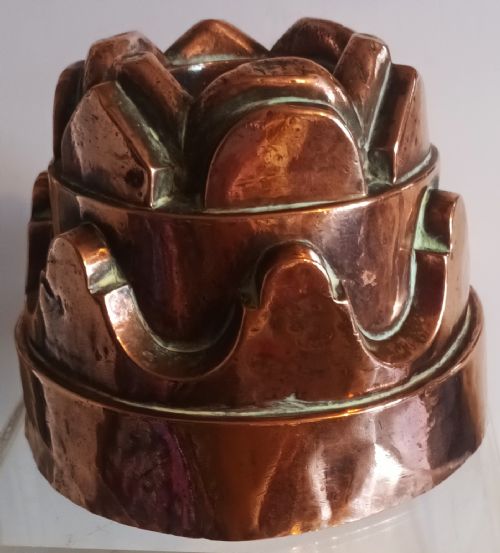
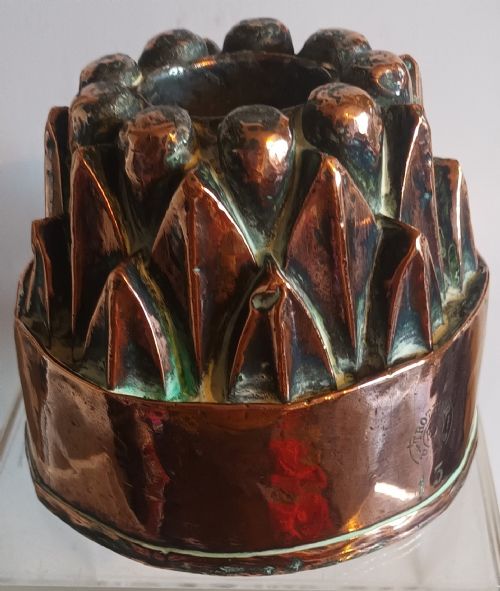
- A kitchen utensil made with shaped internal compartments designed to cast cold desserts into intricate geometric patterns. Examples range in scale from miniature individual moulds to large kitchen sets.
- Coaching Horn
- A long, straight brass or copper wind instrument historically sounded by coachmen to signal arrival and clear the road. They survive as decorative mantel or wall ornaments.
Vintage Copper Decor: Frequently Asked Questions
How do I clean antique copper?
Maintenance depends entirely on whether you prefer a dark historic patina or a bright metallic finish. Gentle washing with mild soap removes surface grime without stripping the aged appearance.
Avoid harsh abrasive compounds that scratch the soft metal surface and diminish the character built up over centuries.
Were these copper items meant to be used?
Most pieces began life as working kitchen utensils, heating vessels, or fire management tools designed for daily domestic labour. Kettles boiled water, coal scuttles fed hearths, and moulds shaped food.
Over time, changing household technologies transitioned these durable metal objects from active service into decorative interior displays.
How do I date a copper piece?
Dating relies on observing construction methods, such as the transition from hand-beaten seams to machine-rolled sheets during the nineteenth century. Maker stamps, engraved dates, and stylistic markers like Art Nouveau curves also provide chronological clues.
Comparing the specific form of handles and fixing rivets helps narrow down the era of manufacture.
Can I use antique copper for cooking?
Historic culinary vessels often contain internal tin linings that may wear thin or expose underlying reactive metals after extended use. Modern food safety standards require careful inspection before introducing antique pans back to active kitchen service.
Many collectors prefer to exhibit these pieces rather than subject them to modern cooktop heat.