




Vintage Copper Bin
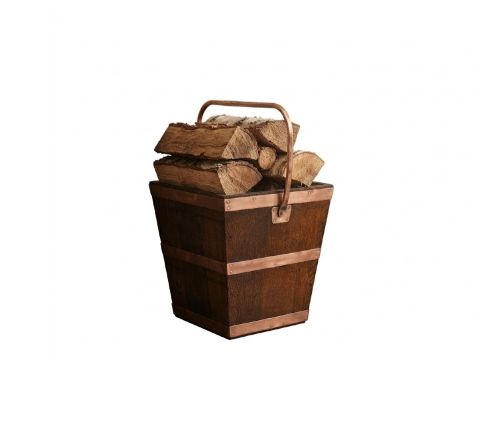
These vintage copper bin designs bring substantial metalwork into daily spaces, functioning historically around the fireside and functioning now as log holders or planters.
Vintage Copper Bin
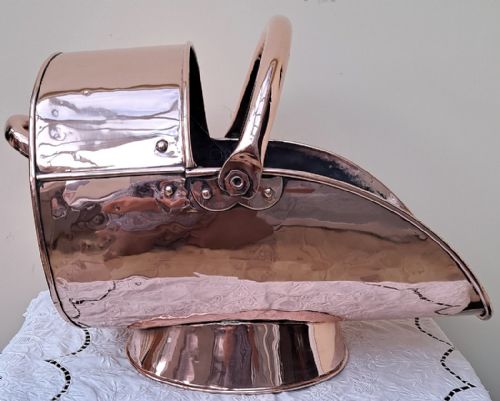
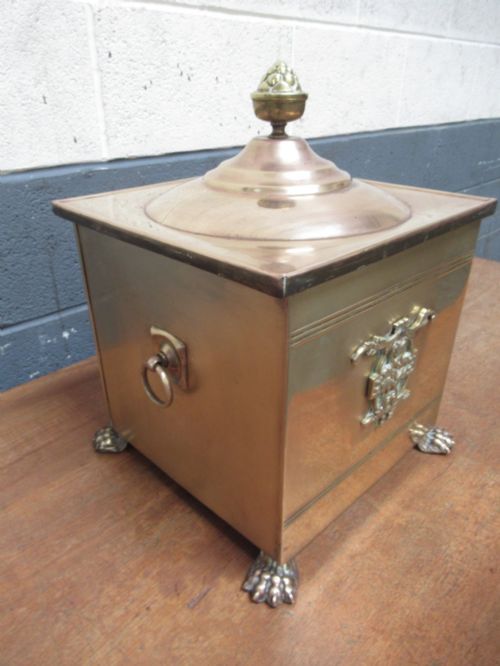
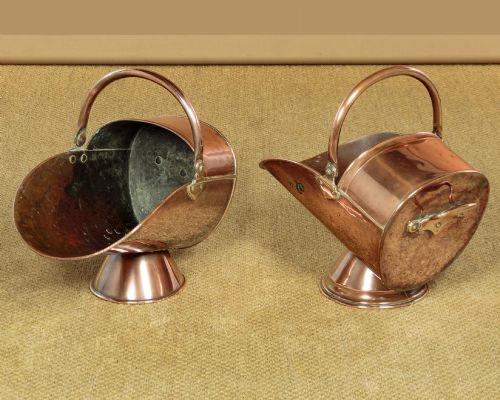
When you search for a vintage copper bin, you encounter heavy metal vessels created for utilitarian tasks during the Georgian, Victorian, and Arts and Crafts periods. The pieces appearing most frequently span large nineteenth century log bins, coal buckets, fireside scuttles, and planters.
Makers originally shaped these heavy vessels for storing coal by the fireplace, carrying water, or measuring grain. Today, buyers repurpose these durable containers as prominent plant pots or fireside log holders.
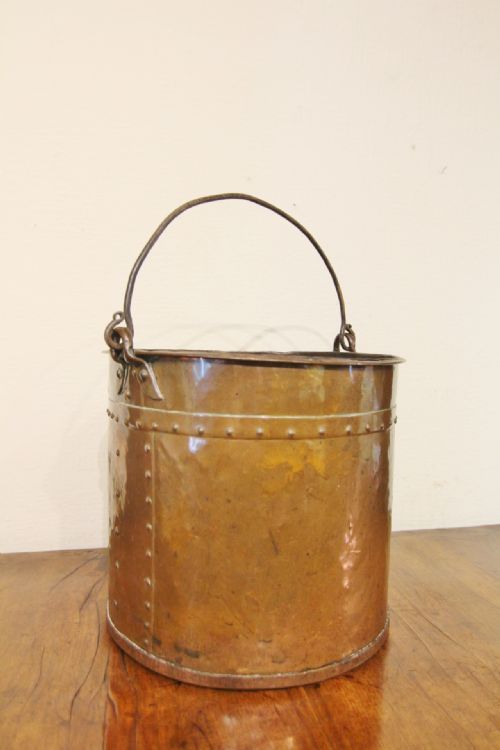
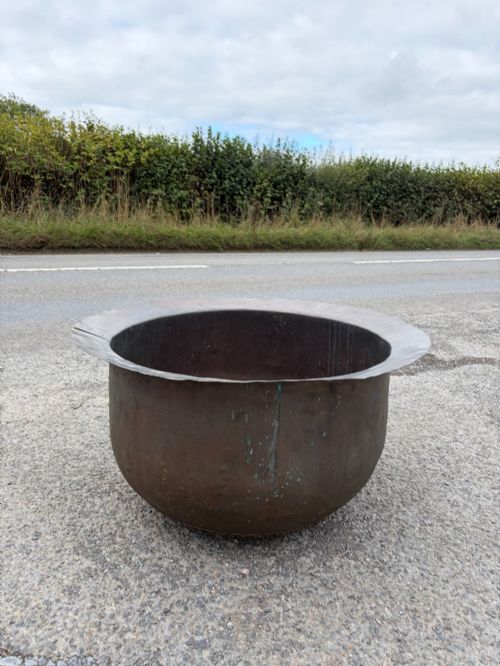
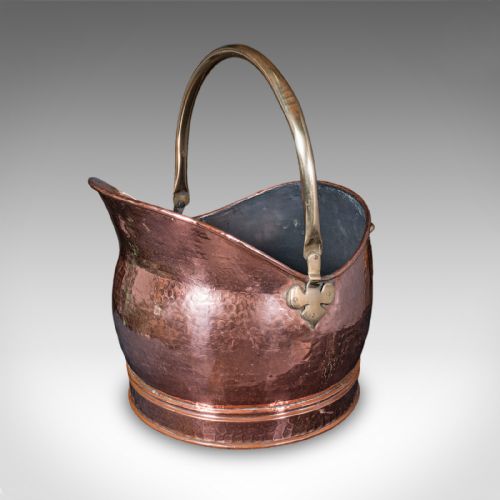
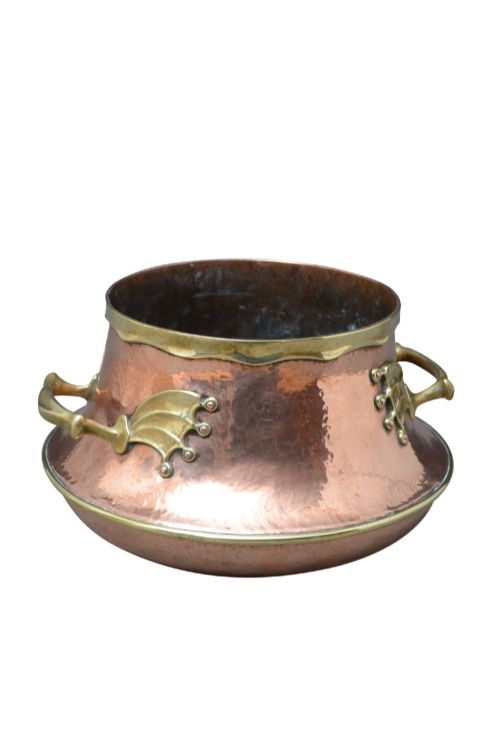
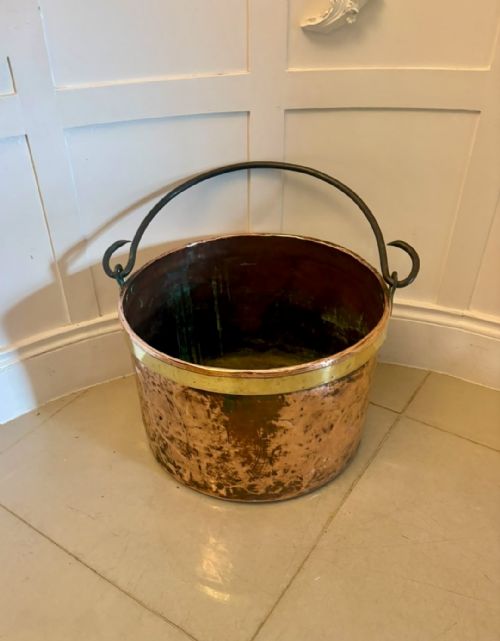
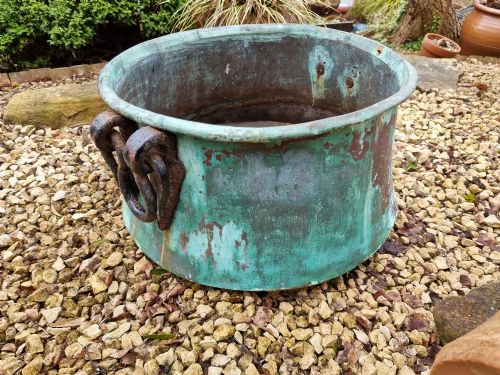
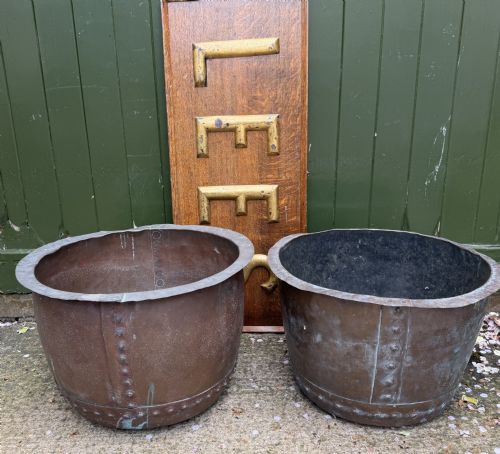
The forms range from simple riveted cauldrons and wash tubs to shaped buckets featuring brass bands, iron swing handles, and embossed ornamentation. Victorian utilitarian examples sit alongside decorative Arts and Crafts and Art Nouveau variations.
How they were made
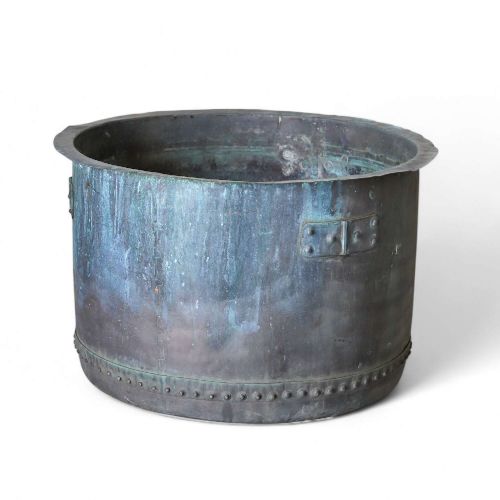
Artisans constructed these vessels using heavy sheet copper joined by hand-hammered rivets that secure overlapping seams. Structural strength often relied on supplementary materials like wrought iron handles, brass bands, and sturdy oak or wood reinforcements.
Surfaces received hand finishes, leaving hammer marks and natural tooling textures visible across the metal body. Many examples developed rich natural patinas and verdigris surfaces over decades of exposure.
Vintage Copper Bin Retail Price Guide 2026
Typical asking prices for vintage copper bin among the pieces listed under this phrase on Sellingantiques today, from the lower quarter to the upper quarter. They describe what is for sale here now, not the wider market.
Listings feature items spanning the Georgian period, the Victorian era, and the Arts and Crafts movement.
What varies in quality
Quality depends upon the thickness of the copper sheet and the integrity of the original riveting. Heavier gauge metal resists denting and supports the heavy loads associated with coal and logs.
The degree of craftsmanship in secondary elements like wrought iron swing handles, brass mounts, and dovetailed or riveted joints separates standard utility items from finer decorative vessels.
The Vintage Copper Bin Glossary
- Patina
- The surface oxidation and mellowing developed by copper over long periods of time. This natural ageing creates varied colour tones across the metal.
- Verdigris
- The green crust or patina formed on copper by atmospheric oxidation. It indicates significant age and prolonged exposure to the elements.
- Cauldron
- A large round metal pot with a wide opening, traditionally designed for heating liquids or holding bulk materials. These feature strong swing handles for lifting.
- Jardiniere
- An ornamental pot or stand for holding plants or flowers. These vessels often incorporate decorative brass bands and hammered detailing.
- Scuttle
- A metal bucket with a sloping rim and a handle, originally used for carrying coal to a fireplace. They frequently include matching shovels and brass feet.
Vintage Copper Bin: Frequently Asked Questions
What were vintage copper bins originally used for?
These metal vessels served practical domestic roles around the hearth and farmstead. They stored coal, carried water, measured grain, and held laundry.
Over time, exposure to soot, water, and heat created the distinctive surfaces collectors value today.
How do I clean a vintage copper bin?
Most collectors prefer to preserve the aged surface and natural patina rather than polishing the metal to a bright shine. Gentle washing with warm water removes surface dust without disturbing the historic finish.
Harsh chemical cleaners strip away the patination that proves the age of the piece.
Can I use these copper bins as planters?
These durable metal vessels adapt easily to holding large house plants or garden flora. Their waterproof qualities and structural strength suit them for damp soil.
Liners protect the historic interior metal from prolonged moisture exposure if required.
How can I tell a Victorian copper bin from a Georgian one?
Georgian examples often display simpler, heavier construction with hand-forged iron fittings and deep, dark patinas. Victorian pieces frequently introduce more decorative embossing, brass banding, and varied stylistic influences.
Construction techniques like hand-riveting appear across both eras, requiring careful examination of secondary mounts and handles.