





Vintage Conservatory Table
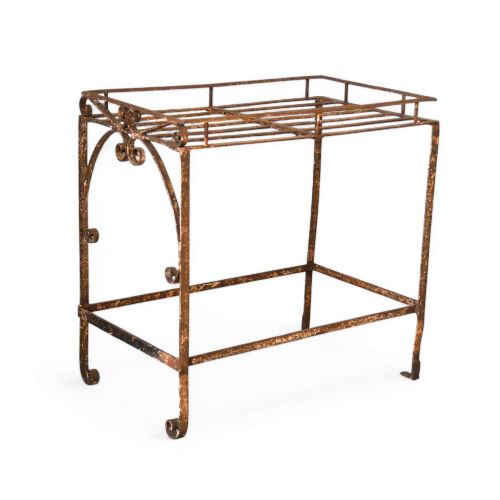
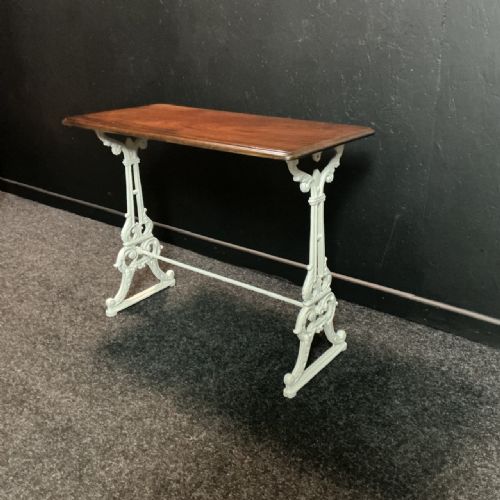
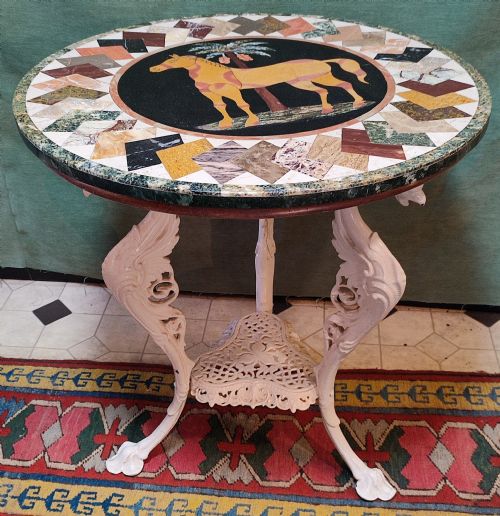
These vintage conservatory tables bring plant-friendly surfaces into living spaces through iron frames and marble tops.
Vintage Conservatory Table
A vintage conservatory table serves sunrooms, orangeries, and garden spaces using forms such as console tables, side tables, plant stands, and bistro tables. When buyers search for a vintage conservatory table, they encounter pieces spanning the Victorian, Edwardian, and twentieth-century periods.
The materials reflect practical use in damp or sunlit environments, pairing stone or metal tops with sturdy iron or woven bases. French and English origins predominate, bringing styles from French Provincial to Arts and Crafts into the domestic interior.
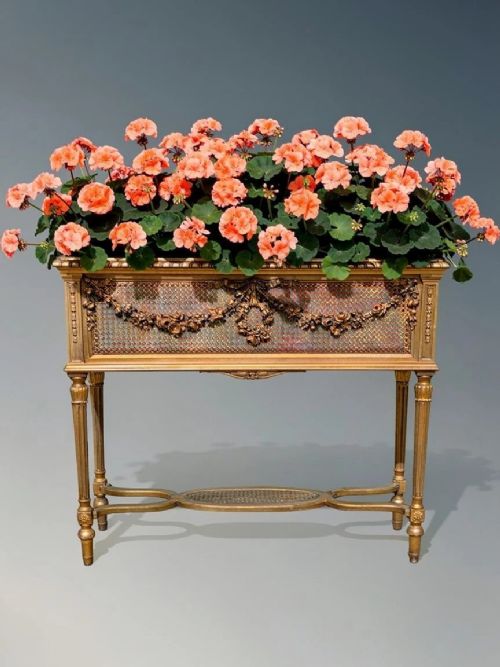
Lower forms like coffee tables and jardinieres sit alongside tall plant stands and serving tables. Pieces range from simple estate-made wire work to elaborate giltwood or marble-topped designs.
Materials and construction methods
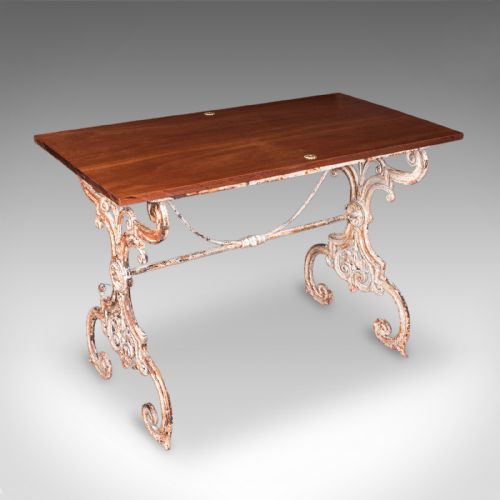
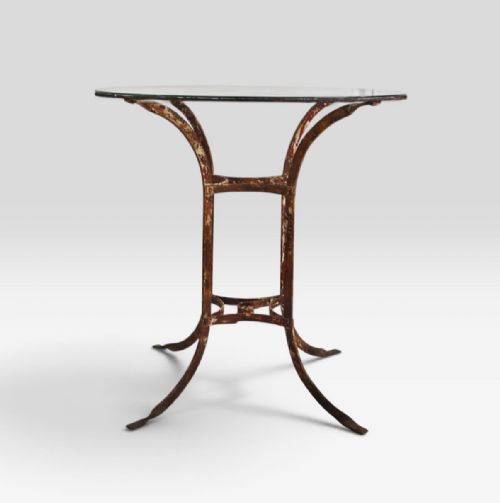
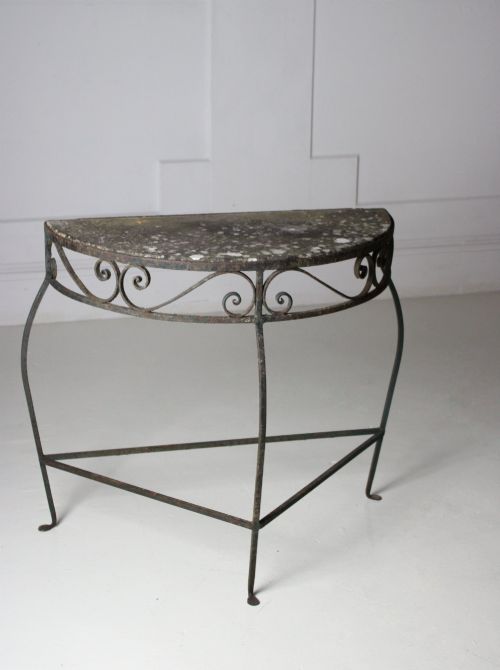
Metalwork forms the backbone of these pieces, utilising cast iron and wrought iron for durability and intricate scrollwork. Steel, brass, and verdigris copper also appear as primary or accent materials on tabletops and frames.
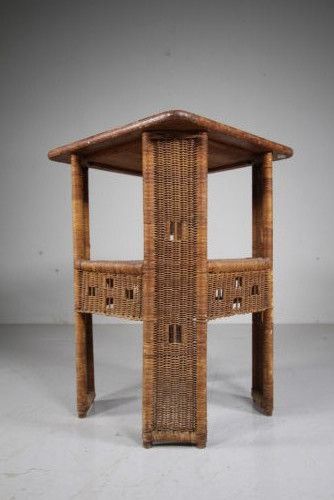
Natural stone provides heavy, durable surfaces, with marble and specimen marble frequently paired with iron bases. Wood elements include oak, mahogany, and cedar, often combined with woven cane, rattan, wicker, and Lloyd Loom fibre.
Vintage Conservatory Table Retail Price Guide 2026
Typical asking prices for vintage conservatory table among the pieces listed under this phrase on Sellingantiques today, from the lower quarter to the upper quarter. They describe what is for sale here now, not the wider market.
One remarkably honest potting shed table arrives with a genuine verdigris copper top that has seen decades of enthusiastic planting.
Distinguishing quality across pieces
Subtlety of metal manipulation and the weight of the supporting frame separate standard work from exceptional execution. Hand-forged wrought iron and detailed cast iron show crisper lines than utilitarian factory output.
The choice of tabletop material elevates a piece, particularly thick specimen marble or heavy copper surfaces compared to simpler timber or wire. Maker attribution, such as documented English wicker production, adds distinct value over anonymous workshop items.
Dryad of Leicester
The Vintage Conservatory Table Glossary
- Cast iron
- Iron poured into a mould to create rigid, decorative forms. It appears frequently in Victorian and Edwardian table bases.
- Wrought iron
- Iron heated and hammered into shape by hand, resulting in strong, slightly varied structural lines. This material defines many garden and conservatory frames.
- Specimen marble
- Marble composed of various coloured fragments arranged in geometric or decorative patterns. It creates a striking surface on late nineteenth-century tables.
- Lloyd loom
- A patented process of twisting cellulose yarn over wire to create a durable wicker material. This technique gained popularity in the 1930s.
- Jardiniere
- An ornamental pot or stand designed to hold plants or flowers. These items often match the style of conservatory tables.
Vintage Conservatory Table: Frequently Asked Questions
What is a conservatory table?
A conservatory table is a light, durable surface designed for sunrooms, orangeries, and garden rooms. These pieces typically combine metal or wicker frames with stone, glass, or metal tops.
They accommodate plants, serving items, or everyday domestic use while withstanding sun and moisture fluctuations.
Were these tables meant for outdoors?
Many pieces were designed for sheltered outdoor spaces, patios, or potting sheds rather than exposed lawns. Materials like cast iron and treated copper resist weathering under cover.
They transition easily into indoor living spaces today, bringing a garden aesthetic into domestic rooms.
How do I date a conservatory table?
Dating relies on material combinations and manufacturing techniques recorded across Victorian, Edwardian, and later twentieth-century eras. Heavy cast iron and marble suggest the nineteenth century, while Lloyd loom points to the 1930s.
Design styles such as Arts and Crafts or French Provincial further narrow the period of origin.
Can marble-topped tables stay outside?
Marble tops are heavy and durable but remain susceptible to staining and frost damage if left unprotected. Conservatories and orangeries offer the ideal environment by providing shelter from direct rain and extreme cold.
Wiping surfaces down regularly helps preserve the stone.