



Vintage Conservatory Armchair
A vintage conservatory armchair brings natural texture and relaxed seating to a home, offering tactile comfort shaped by early twentieth-century design.
Vintage Conservatory Armchair
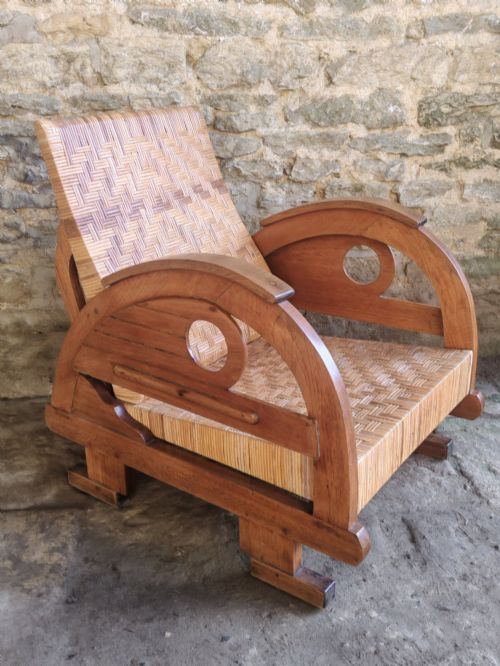
A vintage conservatory armchair provides comfortable lounge seating designed primarily for sunrooms, verandahs and garden rooms. Buyers seeking a vintage conservatory armchair will find examples spanning from the Victorian era through the 1940s, encompassing styles such as Art Deco, Arts and Crafts, and Gothic Revival.
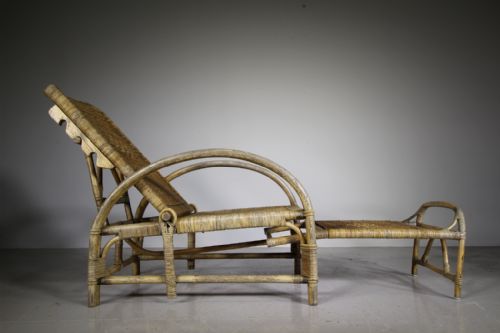
The selections on this page lean heavily towards early twentieth-century production, particularly pieces from the 1920s and 1930s. Forms range from simple single armchairs to larger reclining models and matched seating suites.
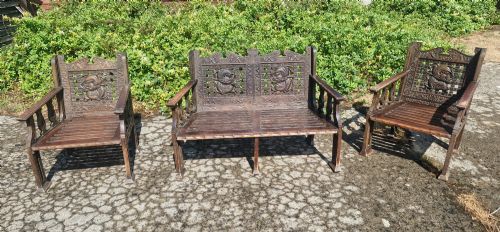
Origins vary from British workshops to French Riviera designs and Anglo-Indian country house pieces. Most examples favour lightweight organic structures suited to bright, sheltered interior spaces.
Materials and construction methods
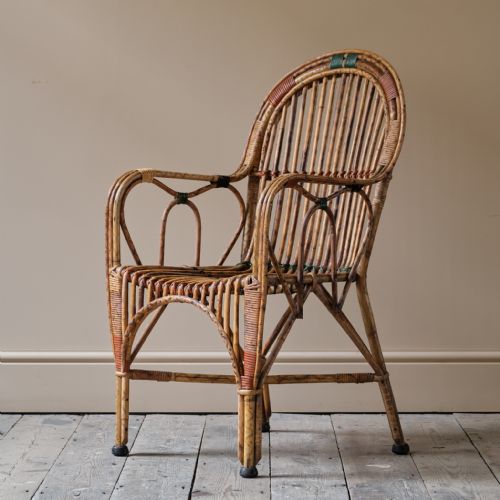
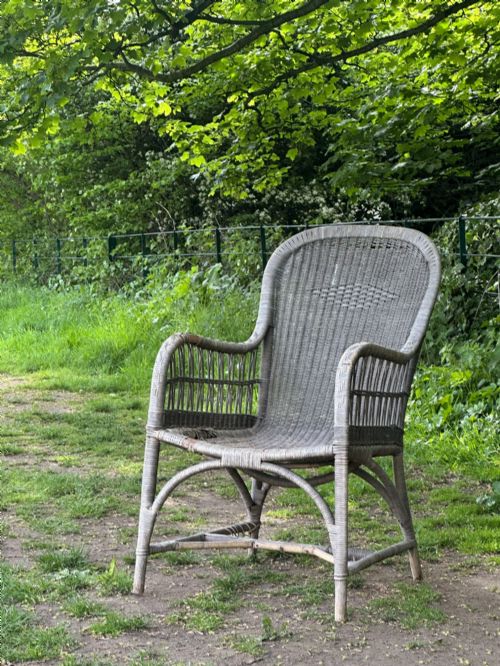
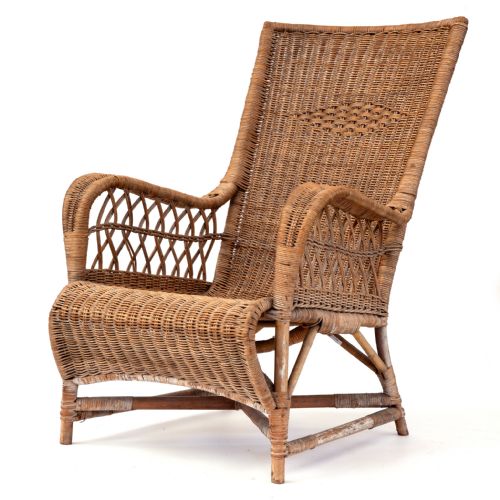
These armchairs rely heavily on pliable plant materials such as cane, rattan, wicker, and willow, often handwoven over rigid frames. Makers utilised the natural flexibility of these materials to create generous curved backs and supportive armrests.
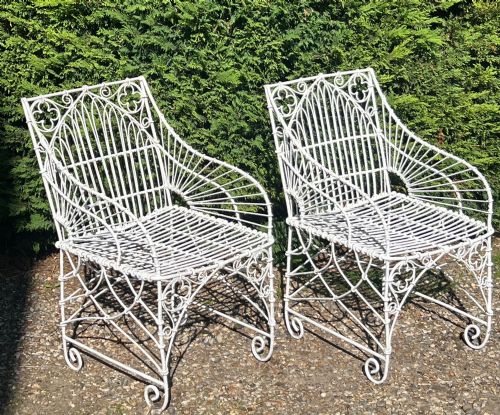
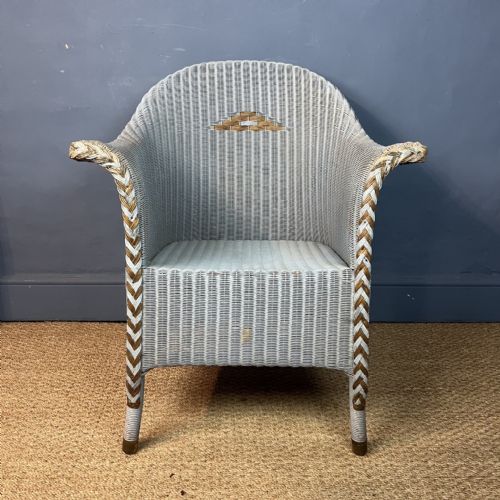
Sturdier supporting elements incorporate oak, wrought iron, and cast iron, particularly within Victorian and Edwardian iterations. Specialised manufacturers also employed patented twisted-paper wire-reinforced woven fibre, as seen in Lloyd Loom pieces.
Materials represented across the inventory include wrought iron, oak, cane, rattan, willow, fabric, and bamboo.
Distinguishing quality and craftsmanship
The distinction between standard commercial output and superior quality lies in the tightness of the weave and the complexity of the frame's structural shaping. Finer pieces demonstrate intricate handwoven patterns and robust joinery that maintain structural integrity over decades of use.
Renowned makers distinguish their output through marked metal tags, refined ergonomic proportions, and sophisticated framing. Pieces that retain their original applied paint surfaces or feature specialised reclining mechanisms also command greater attention from collectors.
Dryad of Leicester·Angraves of Leicester·Lloyd Loom
The Vintage Conservatory Armchair Glossary
- Cane
- Strips peeled from the outer bark of rattan palms, commonly used for woven seats and decorative panels. It provides a smooth, glossy finish with high tensile strength.
- Rattan
- A climbing palm species with solid stems that yield flexible core material and durable outer skin for furniture framing and weaving. It bends easily when steamed.
- Wicker
- A technique of weaving pliable plant materials into finished items rather than a specific material itself. Willow, rattan, reed and bamboo all serve as wicker components.
- Lloyd Loom
- A proprietary process patented in the early twentieth century involving twisted cellulose fibre spun over wire and woven into mats. This technique created snag-free, durable furniture impervious to splintering.
- Arts and Crafts
- A design movement valuing handcraftsmanship, traditional techniques, and simple forms inspired by natural materials. It rejected mass-produced industrial ornamentation in favour of honest construction.
Vintage Conservatory Armchair: Frequently Asked Questions
How do I care for a cane armchair?
Keep woven seating away from direct heat sources and dramatic moisture fluctuations to prevent the natural fibres from becoming brittle. Occasional gentle dusting and light damp wiping help maintain the flexibility of the material.
Avoid heavy liquid saturation and support upholstered or loose cushions properly to distribute weight evenly across the woven frame.
Are these chairs suitable for outdoor use?
Most vintage plant-fibre armchairs were intended for sheltered garden rooms, sunrooms, and indoor conservatories rather than exposed outdoor placement. Rain and direct sunlight degrade natural cane, wicker, and painted finishes over time.
Iron garden chairs listed from the Victorian and Edwardian periods tolerate external conditions better, provided they receive proper rust maintenance.
What is the difference between rattan and wicker?
Rattan is a specific climbing palm material used to construct furniture frames and weaving strands. Wicker describes the actual technique of weaving plant fibres together into a finished object.
Therefore, a piece of wicker furniture may incorporate rattan, willow, bamboo, or reed within its construction.
How can I date a wicker armchair?
Dating relies on stylistic clues, construction methods, and maker documentation present on the piece. Arts and Crafts and Gothic Revival examples point towards earlier twentieth or late nineteenth-century manufacture, while streamlined curves often indicate 1930s Art Deco influences.
Patented materials like Lloyd Loom narrow the production date to after the First World War.