




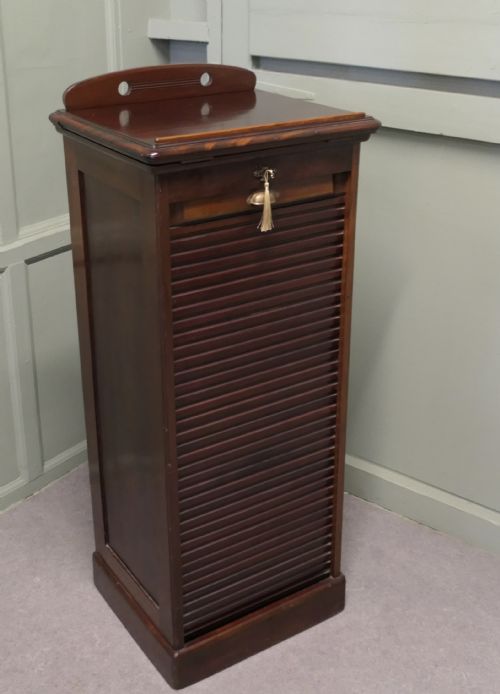


Vintage Commercial Furniture
Vintage commercial furniture comprises practical workhorses from shops, hotels, and offices built to endure heavy use.
Vintage Commercial Furniture
Vintage commercial furniture encompasses utilitarian items built for businesses, including filing cabinets, shop counters, bakers racks, and butchers blocks. Buyers seeking vintage commercial furniture encounter sturdy pieces originating from the nineteenth and early twentieth centuries, spanning Victorian, Edwardian, and industrial styles.
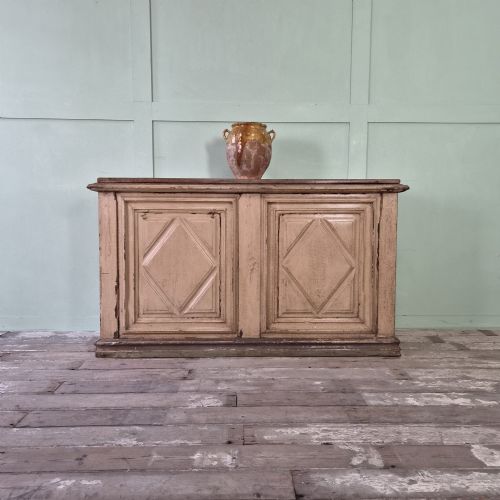
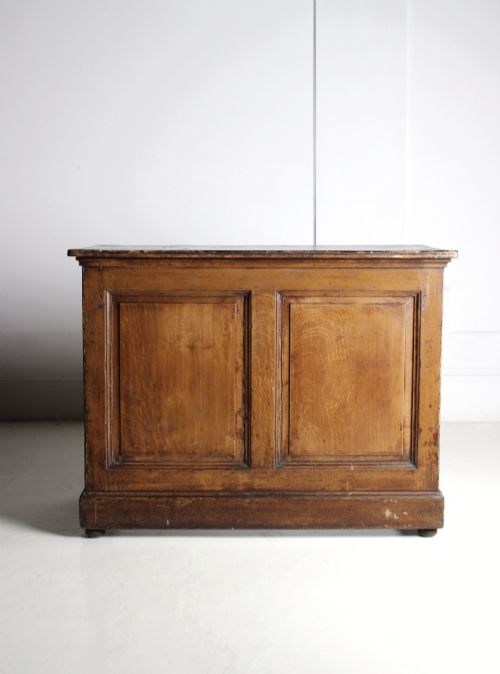
French and British origins dominate the available forms, ranging from bakers racks and sorting tables to reception desks and shop counters. These pieces bring functional pedigree and robust construction into modern domestic and commercial interiors.
Materials and construction methods
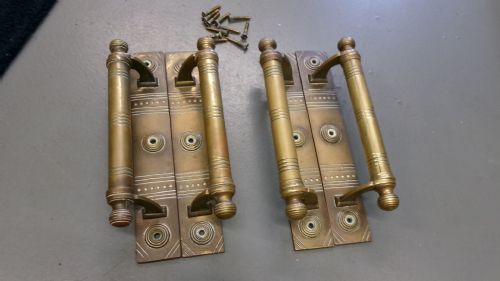
Makers utilised solid timbers such as oak, pine, mahogany, and beech to build durable frames capable of withstanding daily trade. Iron, brass, and bronze components added structural reinforcement and functional resilience to high-wear areas like door handles and cabinet fittings.
Surfaces often received protective layers of paint, polish, or faux graining to endure constant cleaning and public interaction. Joinery techniques prioritised longevity, employing panelled construction, robust bases, and mechanical letter filing systems designed for intensive office use.
Vintage Commercial Furniture Retail Price Guide 2026
Typical asking prices for vintage commercial furniture among the pieces listed under this phrase on Sellingantiques today, from the lower quarter to the upper quarter. They describe what is for sale here now, not the wider market.
Listings feature robust commercial furniture spanning the Victorian and Edwardian eras, constructed from oak, pine, mahogany, and iron.
Distinctions in quality and finish
Quality rests upon the integrity of the original construction, the thickness of the timber, and the retention of authentic hardware. Examples retaining original sign-writing, maker stamps, or specialised mechanical mechanisms command greater interest from collectors.
The balance between utilitarian function and decorative proportion dictates the standing of each piece. Items showing honest patination from decades of commercial service hold more visual weight than heavily restored alternatives.
Dubois of Lyon·Trussant & Cie·Amberg
The Vintage Commercial Furniture Glossary
- Baker's rack
- A tall metal or wooden shelving unit traditionally used in commercial bakeries for cooling bread and pastries. These structures now serve as open storage in domestic kitchens.
- Butcher's block
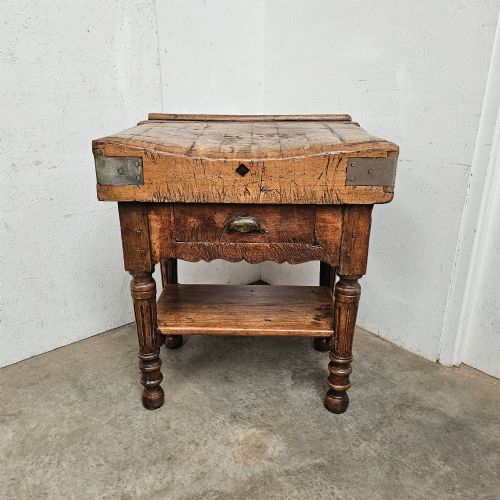
- A thick-topped wooden work table designed for heavy meat preparation in commercial butcher shops. They are characterised by heavy end-grain or edge-grain wooden blocks supported by sturdy legs.
- Faux oak
- A painted surface finish designed to imitate the grain and colour of genuine oak timber. This technique was often applied to softer woods in commercial shop fittings to present a more expensive appearance.
- Sign-written
- Hand-painted lettering applied to furniture for advertising or business identification. This traditional trade skill appears on mercantile chests and advertising chairs from the period.
- Bank chest
- A multi-drawer storage unit historically used in offices, banks, and post offices for sorting documents or small items. These modular configurations provide numerous shallow compartments.
Vintage Commercial Furniture: Frequently Asked Questions
What defines commercial furniture?
Commercial furniture comprises items built specifically for business environments like shops, hotels, and offices rather than domestic households. These pieces prioritised heavy-duty function, durable timber construction, and practical organisation over purely decorative design.
Survivors from this category include shop counters, filing cabinets, and bakers racks that retain the robust build quality required for daily trade use.
How do I care for antique wood surfaces?
Maintain wooden commercial pieces by dusting regularly with a soft, dry cloth and avoiding excessive moisture. Apply natural beeswax periodically to nourish dry timber and protect historic finishes.
Keep these items away from direct heat sources and strong sunlight to prevent the timber from warping or the original paint from fading.
Where were these pieces used originally?
These items originated in Victorian and Edwardian retail shops, post offices, hotels, and administrative offices. They served practical roles as reception counters, sorting tables, and heavy work surfaces.
Many bear the operational marks of their former working lives, including ink stains, sign-written mercantile names, and heavy brass hardware.
Can I use commercial furniture at home?
Commercial furniture adapts readily to modern domestic interiors, providing practical storage and distinct character. Items like filing cabinets, butchers blocks, and shop counters function effectively as kitchen islands, sideboards, or workspace storage.
Their sturdy construction ensures they continue to handle daily use within a domestic setting just as they did in historic business premises.