



Vintage Coin Bank
These vintage coin bank pieces span the nineteenth and early twentieth centuries, offering charming domestic repositories for savings.
Vintage Coin Bank
A vintage coin bank represents a diverse group of domestic receptacles designed to secure savings, taking forms from cast iron mechanical devices to carved hardwood figures and earthenware vessels. When exploring this selection, buyers encounter functional objects spanning the nineteenth century up to the Edwardian era, including mechanical banks and traditional money boxes.
The evidence shows various object types fulfilling this purpose, such as money boxes, money banks, decorative boxes, and coin trays. Materials range from earthenware and terracotta to cast iron, brass, spelter, tin metal, mahogany, and carved hardwood.
Stylistic influences vary widely across these pieces, encompassing Victorian, Edwardian, English Country Folk Art, French Folk Art, Victorian Mercantile, Georgian, and 19th Century Americana. Origin points span English potteries like Verwood and Staffordshire, alongside American and French workshops.
How they were made
Makers utilised durable metals such as cast iron and spelter, often employing mechanical foundry techniques to produce articulated action banks and painted decorative boxes. Other examples utilise tin metal or incorporate brass drop handles on compact wooden cabinetry.
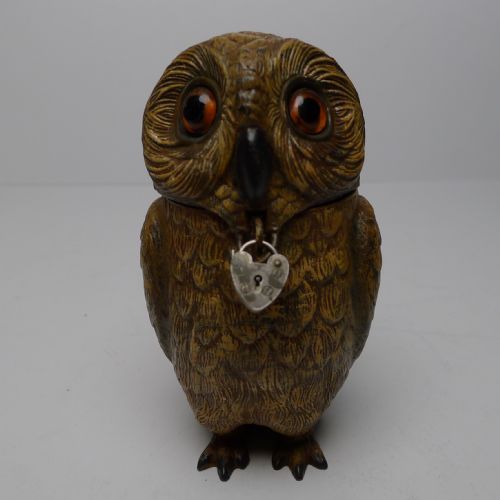
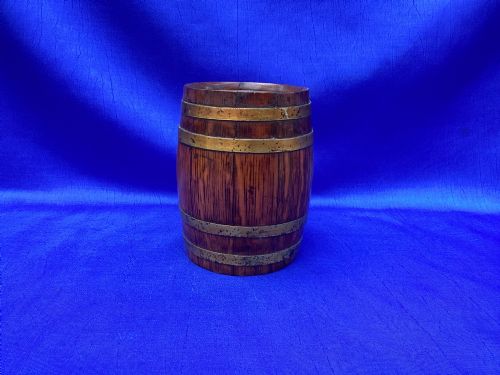
Woodworking traditions appear through carved hardwood figural pieces, oak barrel construction, and mahogany miniature chests of drawers assembled with traditional joinery. Ceramic traditions are represented by earthenware and Staffordshire pottery formed in moulds and finished with glazes or hand painting.
Vintage Coin Bank Retail Price Guide 2026
Typical asking prices for vintage coin bank among the pieces listed under this phrase on Sellingantiques today, from the lower quarter to the upper quarter. They describe what is for sale here now, not the wider market.
Listings feature items spanning the 1870s to 1910, incorporating materials from cast iron and mahogany to earthenware and tin metal.
What varies in quality
Quality in these pieces depends upon the intricacy of the original design, whether in the precision of a cast iron mechanical action or the expressive carving of a hardwood figure. Better examples display superior surface preservation, such as original painted finishes on spelter or cast iron rather than later restoration.
The choice of material and the skill of the artisan dictate the distinction between simple utilitarian containers and sophisticated folk art or mercantile objects. Finer ceramics exhibit careful moulding and glazing, while superior metalwork demonstrates crisp casting details that retain their structural integrity.
John Harper Co.·Verwood Pottery·Staffordshire
The Vintage Coin Bank Glossary
- Cast iron
- A sturdy alloy poured into moulds to create durable objects, frequently utilised for nineteenth century mechanical banks and architectural money boxes. This material allowed for intricate surface relief and complex internal mechanisms.
- Spelter
- A zinc alloy used as a less expensive alternative to bronze, commonly cast into decorative figural money boxes and painted. It offers crisp detail but possesses a more brittle composition than iron.
- Earthenware
- Porous pottery fired at lower temperatures, often glazed and associated with traditional regional potteries producing utilitarian money boxes. It represents some of the earliest domestic ceramic savings banks in the record.
- Folk art
- Utilitarian and decorative objects created by self-taught or traditional craftsmen, encompassing carved hardwood figures and country containers. These pieces reflect regional vernacular styles rather than formal academic design.
- Mechanical bank
- A functional container designed to animate when a coin is deposited, engaging the user through moving cast iron components. These devices combined savings with domestic amusement during the Victorian period.
Vintage Coin Bank: Frequently Asked Questions
How do mechanical coin banks work?
Mechanical coin banks operate through internal spring or lever systems activated by the weight of an inserted coin or a manual trigger. These moving parts cause figures or machinery on the bank to perform an action.
Created primarily during the Victorian era, they were intended to encourage saving through playful interaction. The complexity of these mechanisms distinguishes them from standard stationary money boxes.
What materials are common in these banks?
These banks utilise a broad spectrum of materials depending on their geographic origin and period of manufacture. Cast iron and painted spelter dominate the metal examples, while mahogany, oak, and carved hardwood represent the wooden pieces.
Ceramic varieties are typically fashioned from earthenware or Staffordshire pottery. Brass hardware frequently appears as decorative accents or handles on wooden specimens.
How do I identify a Victorian piece?
Victorian pieces often display characteristic nineteenth century manufacturing methods, such as heavy cast iron foundations or traditional earthenware glazes. Stylistic markers include Victorian mercantile aesthetics and distinct folk art carvings.
Maker attributions, patent dates cast into the metal, and regional pottery traits further help establish the nineteenth century timeline.
Were these banks meant for children?
While many savings banks served to teach children financial frugality, others functioned as adult novelties, donation receptacles, or mercantile counter pieces. Mechanical banks and puzzle boxes provided entertainment for all ages in domestic settings.
Heavier cast iron and locked wooden boxes also suited general household accumulation of small coins rather than juvenile use.