


Vintage Coffee Table Tray
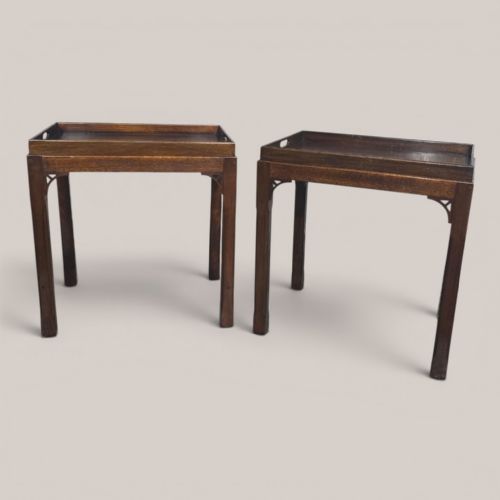
A vintage coffee table tray brings portable surface utility into a living space, combining traditional joinery with the practical convenience of a removable top.
Vintage Coffee Table Tray
When you search for a vintage coffee table tray, you encounter pieces designed to serve drinks, display objects, or provide an elevated surface in the living room.
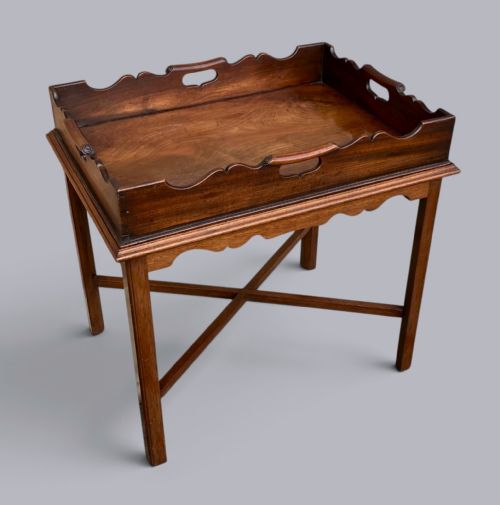
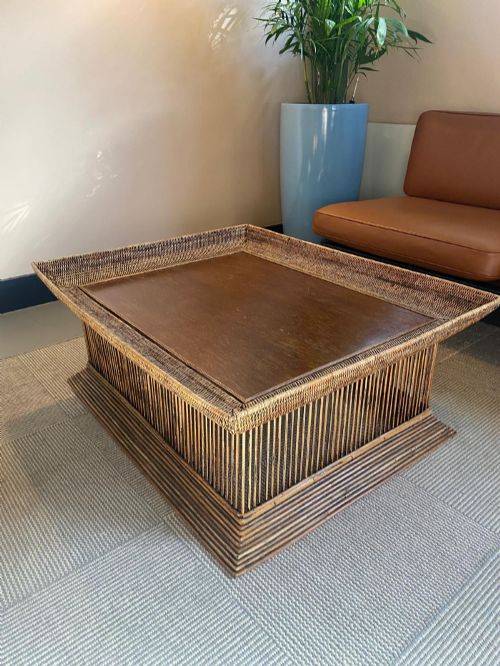
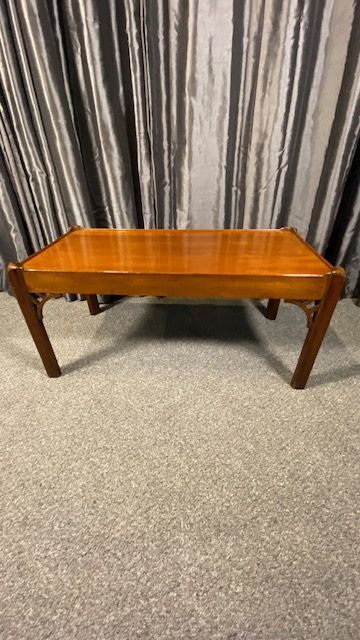
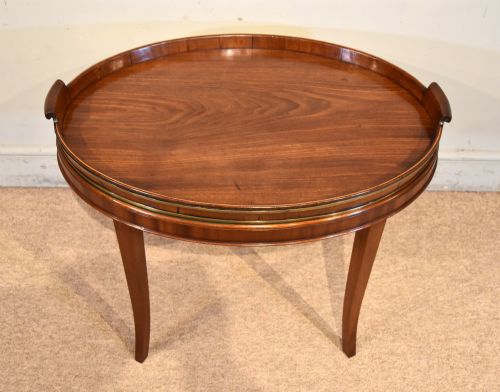
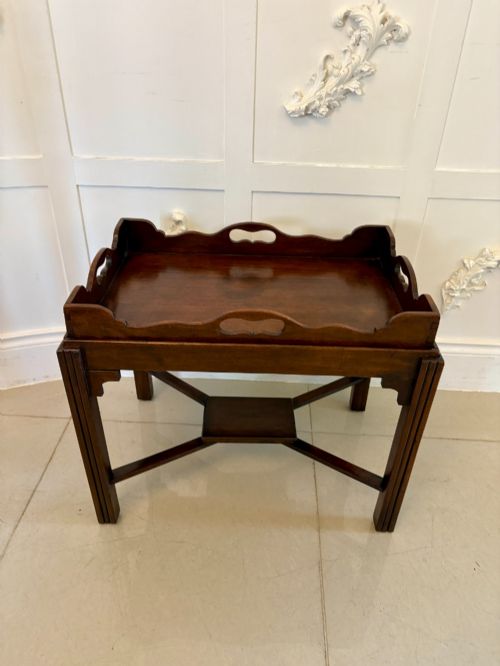
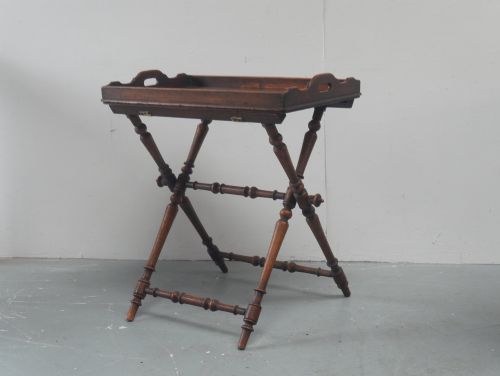
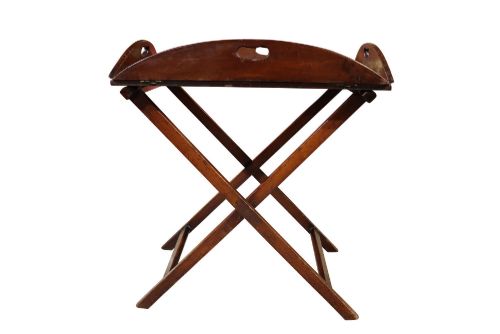
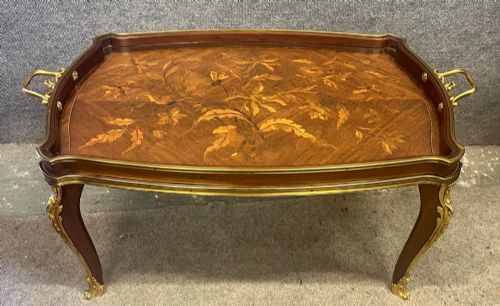
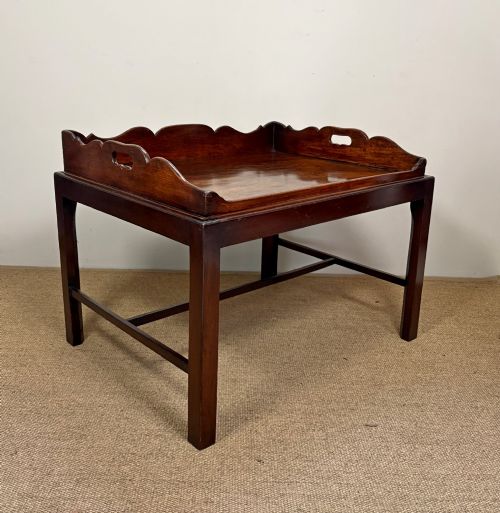
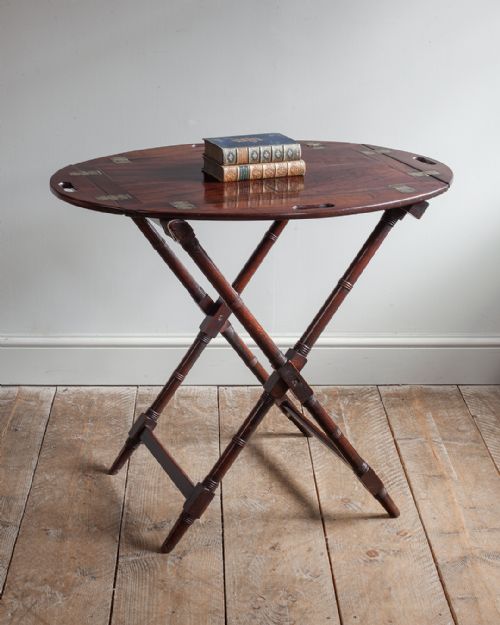
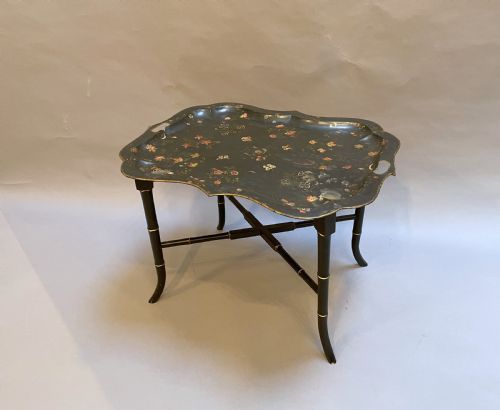
The selections on this page span several centuries and styles, ranging from Georgian and Victorian mahogany butler trays on folding stands to Edwardian chinoiserie lacquer examples.
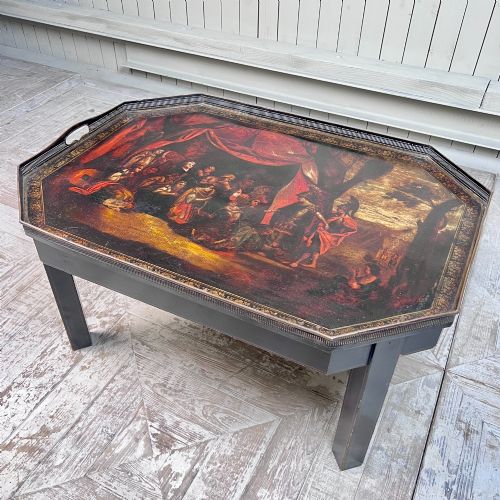
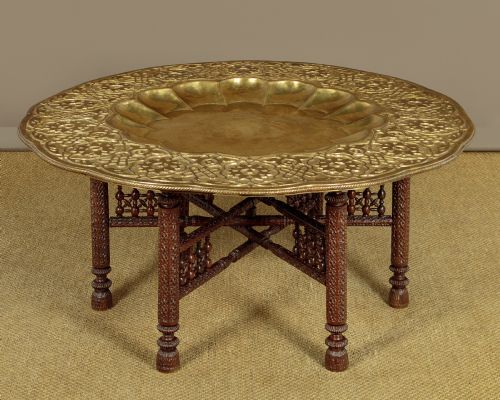
You will also find regional variations, including Anglo-Indian brass and copper top tables alongside painted European toleware designs.
What varies in quality
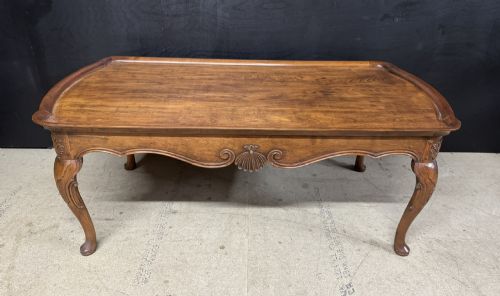
The refinement of the timber and the crispness of the hand-carving or inlay separate standard examples from finer pieces, particularly in eighteenth and nineteenth-century mahogany and burr walnut.
The integrity of the folding mechanism and the original fit between the tray and its dedicated stand dictate how successfully the piece functions as both furniture and portable service ware.
Vintage Coffee Table Tray Retail Price Guide 2026
Typical asking prices for vintage coffee table tray among the pieces listed under this phrase on Sellingantiques today, from the lower quarter to the upper quarter. They describe what is for sale here now, not the wider market.
Periods represented span from the eighteenth century through the Victorian and Edwardian eras into the nineteen-thirties.
The Vintage Coffee Table Tray Glossary
- Butler's tray
- A removable wooden tray with hinged or fixed sides, traditionally used for serving and carried upon a separate folding stand.
- Toleware
- Painted or lacquered metalware, typically tin or iron, decorated with pictorial scenes or floral motifs.
- Chinoiserie
- European decorative art imitating Chinese artistic styles, commonly executed in lacquer and gilt on furniture.
- Gallery
- A raised wooden or metal border fitted around the perimeter of a tray to prevent objects from sliding off.
- Repoussé
- A metalworking technique where the metal is hammered from the reverse side to form a raised design on the front.
Vintage Coffee Table Tray: Frequently Asked Questions
Are butler trays stable enough for daily coffee table use?
Most examples rely on a collapsible X-frame stand that locks securely beneath the weight of the tray top. When placed upon an even floor, they provide a sturdy surface for everyday living.
For households seeking maximum stability, fixed-base variations offer a stationary alternative without sacrificing the traditional aesthetic of the removable tray.
How do I identify a Georgian period tray?
Georgian trays typically showcase dense mahogany timbers with hand-cut dovetail joints and subtle moulded edges. They often bear the marks of intensive use through patination rather than modern distressing.
Later revival pieces produced in the twentieth century emulate these proportions but generally lack the specific depth of colour found in eighteenth-century surfaces.
What is an Anglo-Indian tray table?
These pieces feature metal tops, usually brass or copper, decorated with dense chased or engraved flora and fauna motifs. The folding wooden bases are often heavily carved from exotic hardwoods.
They originated during the nineteenth and early twentieth centuries, combining traditional eastern metalwork with western furniture forms designed for colonial homes.
Can I use a painted toleware tray as a table?
Painted metal trays sit upon dedicated stands to function as occasional or lamp tables. The painted surfaces require gentle cleaning with dry or slightly damp cloths to protect the original pigments.
Avoid placing hot vessels directly onto vintage lacquer or painted surfaces to preserve the historic finish against heat marking.