



Vintage Coffee Server
These vintage coffee server pieces span centuries of design, offering both functional service and period charm for the home.
Vintage Coffee Server
A vintage coffee server encompasses a range of vessels and serving items designed for pouring and presenting coffee, originating from periods such as the eighteenth century through to the mid-twentieth century. When searching for a vintage coffee server, buyers encounter diverse forms including standalone pots, complete tea and coffee sets, and serving trays. These items bridge historical domestic rituals with practical modern use, reflecting shifts in dining and hospitality customs.
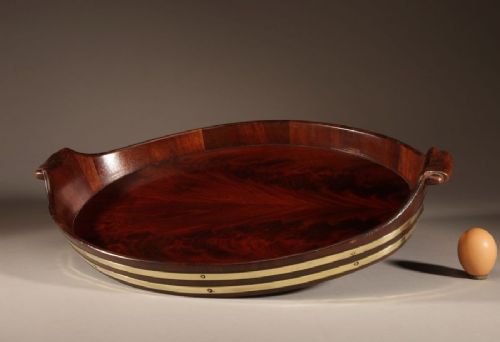
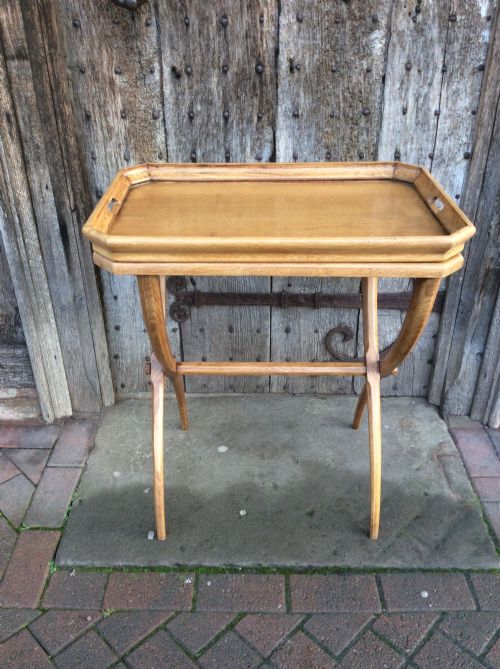
The assortment on this page includes sterling silver, silver plate, pewter, copper, and mahogany pieces spanning Georgian, Edwardian, Arts and Crafts, Art Deco, and Mid-Century Modern styles. Forms range from side-handled pots and side-handled milk jugs to coopered trays and butler's trays with stands. This variety reflects the changing aesthetic preferences and manufacturing techniques of British and continental workshops over three centuries.
How they were made
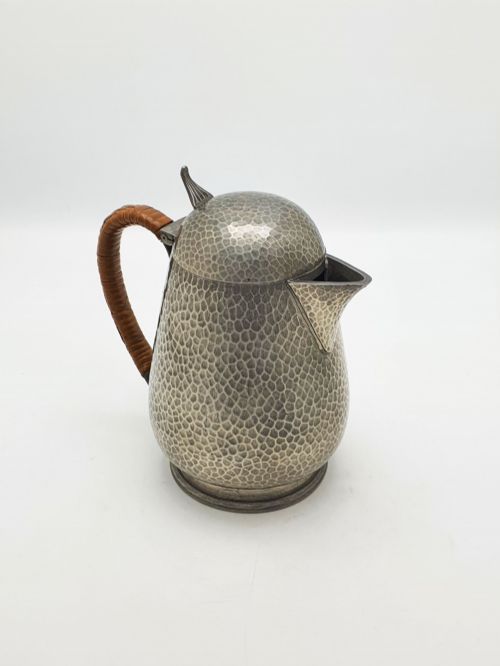
Metals such as sterling silver, silver plate, copper, pewter, and brass form the primary body of these serving vessels, often shaped through traditional smithing and plating methods. Old Sheffield plating and standard silver plate techniques apply a precious metal layer over a base metal core, whilst pewter and copper rely on casting and hammering to achieve their structural form. Makers also incorporated organic materials like cane for insulated handles on metal pots.
Wooden pieces utilise timber such as mahogany and light oak, constructed using traditional joinery and coopered techniques where staves are bound together for trays. Metal components frequently feature hand-applied decorative details, seen in Edwardian Rococo revival motifs, Arts and Crafts hammered textures, and clean Art Deco geometric lines. These construction methods ensure both structural durability and distinct stylistic identity.
Vintage Coffee Server Retail Price Guide 2026
Typical asking prices for vintage coffee server among the pieces listed under this phrase on Sellingantiques today, from the lower quarter to the upper quarter. They describe what is for sale here now, not the wider market.
The design styles represented across these serving items range from eighteenth-century Rococo to mid-century modernism.
What varies in quality
Quality in these serving vessels rests upon the integrity of the materials and the precision of the maker's execution. Solid silver and high-grade sterling examples hold intrinsic metal value alongside their design merit, whilst plated items depend on the thickness and preservation of the silver coating over the base metal. Hand-hammered pewter and copper display the direct skill of the artisan through the consistency of the surface finish and the snugness of fitted cane handles.
Design cohesion and stylistic purity also distinguish finer examples from standard production pieces. Items bearing recognised maker marks, such as those from designated silversmiths or porcelain manufacturers like KPM, demonstrate superior workshop standards. The balance of the vessel, the comfort of the handle, and the crispness of decorative chasing or moulding further separate standard domestic wares from exceptional pieces.
Harrison Brothers and Howson·Georg Jensen·KPM·Birmingham Silversmiths Company
The Vintage Coffee Server Glossary
- Old Sheffield Plated
- An early method of fusing a thin sheet of sterling silver to a thicker copper core by heating and rolling. This technique creates a durable dual-metal sheet visible on eighteenth-century vessels.
- Tudric Pewter
- A trade name used by Liberty & Co. for a high-grade pewter alloy often associated with Arts and Crafts design. It frequently incorporates stylistic elements like blue enamel cabochons or hammered surfaces.
- Coopered
- A construction method where wooden staves are fitted together and bound with bands to form a curved vessel or tray. This technique originates from barrel-making traditions applied to domestic serving items.
- Side-Handled
- A configuration where the handle sits perpendicular to the spout rather than opposite it. This design aids control when pouring from tall pots.
Vintage Coffee Server: Frequently Asked Questions
How do I clean antique silver coffee pots?
Use a non-abrasive silver cloth and specialist polish designed for antiques to preserve the surface finish. Avoid harsh chemical dips that strip away patination and original detail.
Wash silver-plated and solid silver items in warm soapy water and dry them immediately with a soft cloth. Regular gentle maintenance prevents tarnish build-up without requiring aggressive scrubbing.
Can I use these coffee servers daily?
Many metal and wooden serving pieces remain fully functional for daily use if handled with care. Ensure that pots with organic handles like cane are washed by hand rather than submerged or placed in dishwashers.
Silver-plated and pewter items require gentle cleaning to protect the exterior finish from scratching. Wooden trays benefit from occasional conditioning to keep the timber nourished.
How do I date an antique coffee pot?
Examine the form, decorative style, and any maker marks or hallmarks stamped into the metal base. Georgian and Victorian pieces often display distinct assay marks that indicate the year of manufacture and the testing office.
Stylistic shifts, such as the geometric lines of Art Deco or the organic motifs of Arts and Crafts, provide reliable chronological markers. Comparing the construction methods, such as Old Sheffield plating versus modern electroplating, narrows the period further.
What is Old Sheffield plating?
Old Sheffield plating is an eighteenth-century technique where a thin layer of sterling silver is fused to a copper base using heat and pressure. This results in a durable material where the underlying copper may subtly show through high points over time.
Items made with this process pre-date modern electroplating methods introduced in the nineteenth century. Collectors value Old Sheffield plate for its historical manufacturing process and distinctive warm glow.