

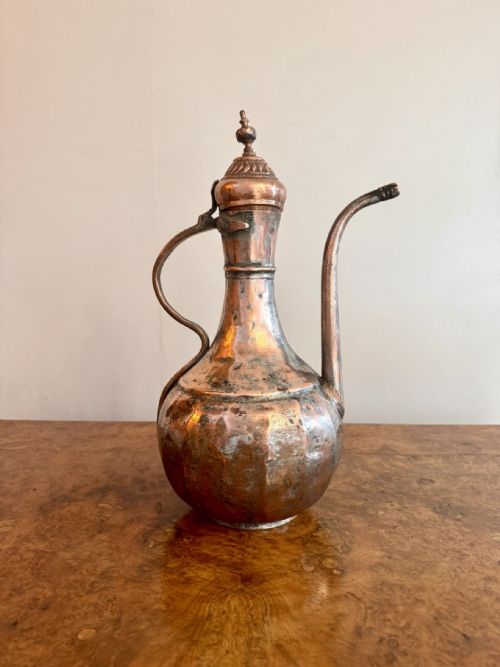


Vintage Coffee Pot
These vintage coffee pot selections range from heavy copper vessels to delicate porcelain sets, offering functional history and distinct period character for daily use.
Vintage Coffee Pot
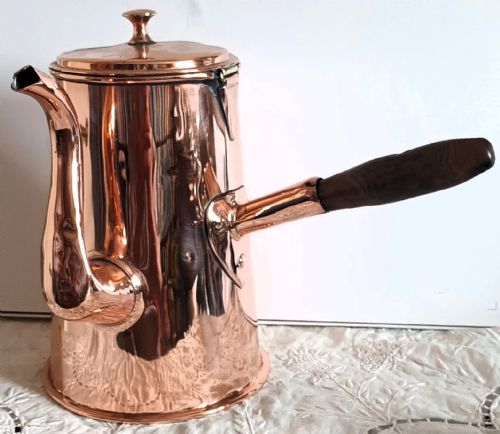
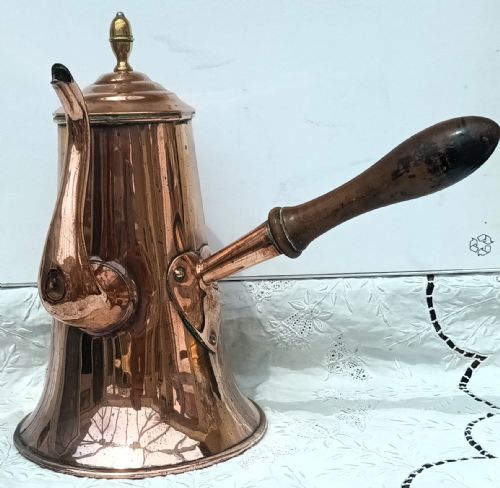
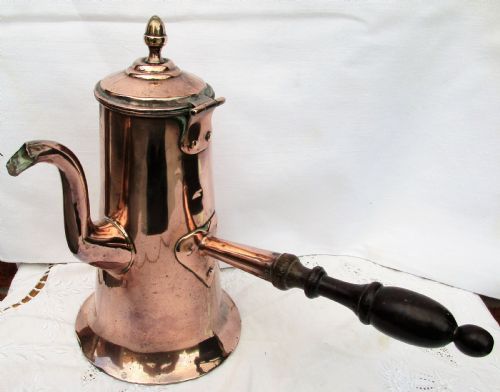
A vintage coffee pot spans forms from individual serving vessels to complete multi-piece sets in silver plate, copper, pewter, and porcelain. The selection here brings together domestic wares originating across the nineteenth and twentieth centuries.
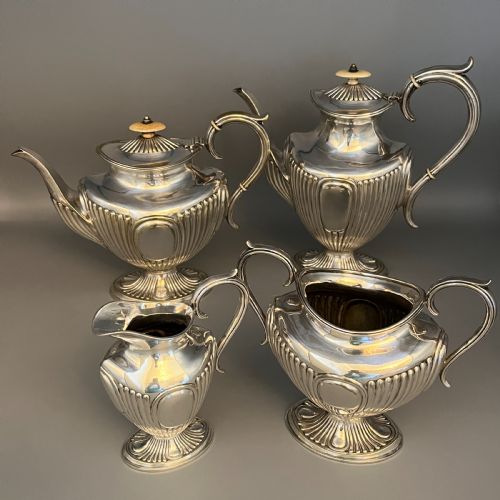
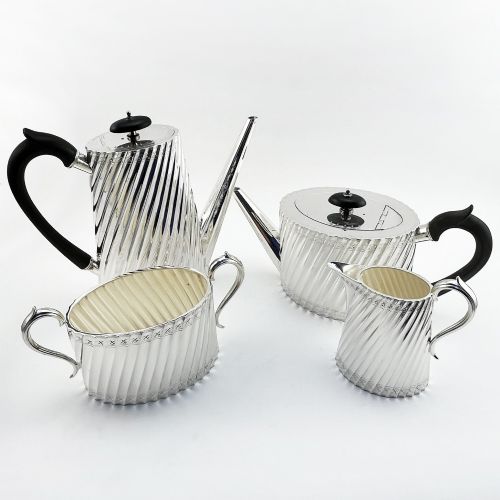
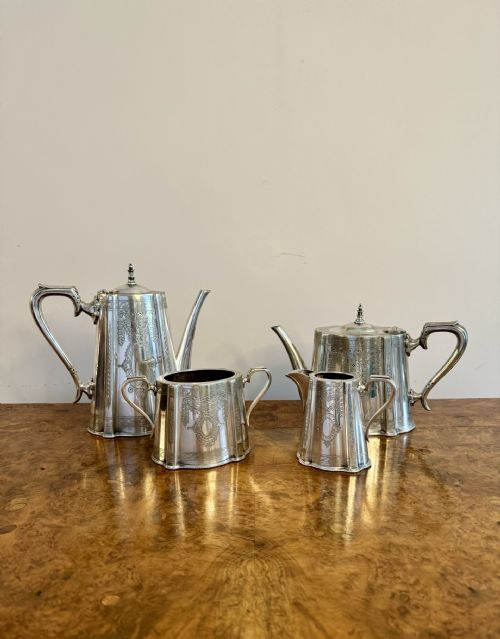
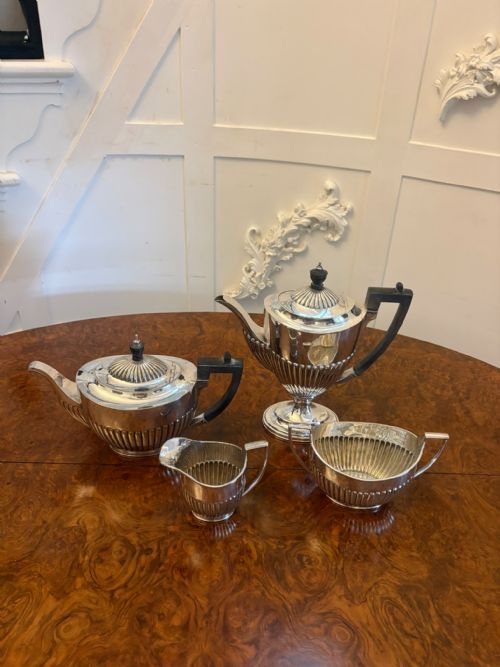
The most frequent examples encountered on this page are Edwardian silver plated sets and nineteenth-century copper pots. These pieces reflect the shift from hearth-side brewing to formal dining table service.
Makers utilised diverse materials including brass, enamel, and sterling silver alongside wood and cane for insulated handles. Styles range from Georgian and Victorian shapes to geometric Art Deco designs and Arts and Crafts copper work.
How they were made
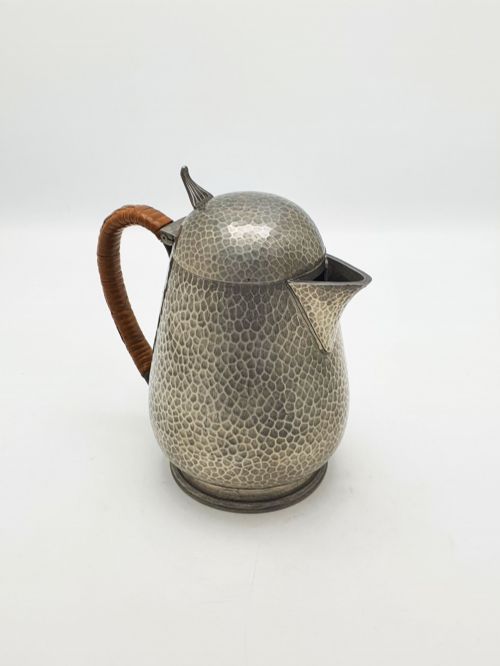
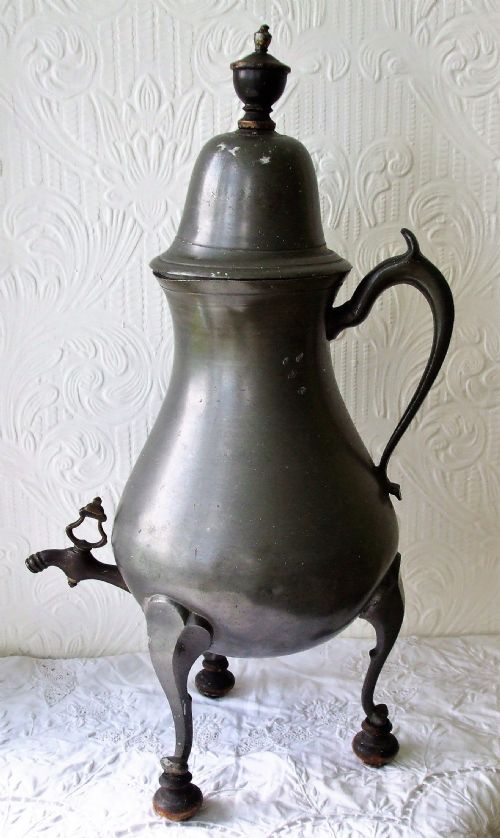
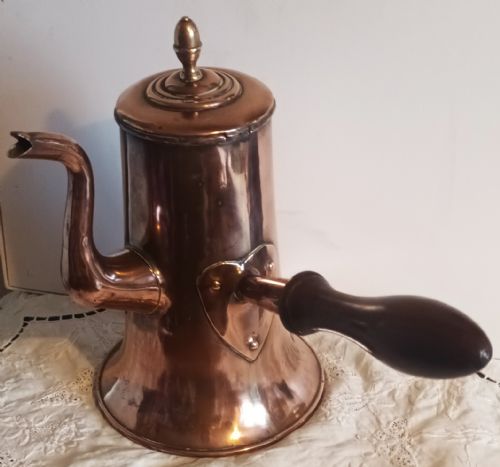
Metal vessels like copper and brass pots often show hand-beaten surfaces, soldered seams, and applied spouts, reflecting traditional workshop production methods. Pewter items utilise casting techniques, sometimes incorporating organic elements such as woven cane handles for heat protection.
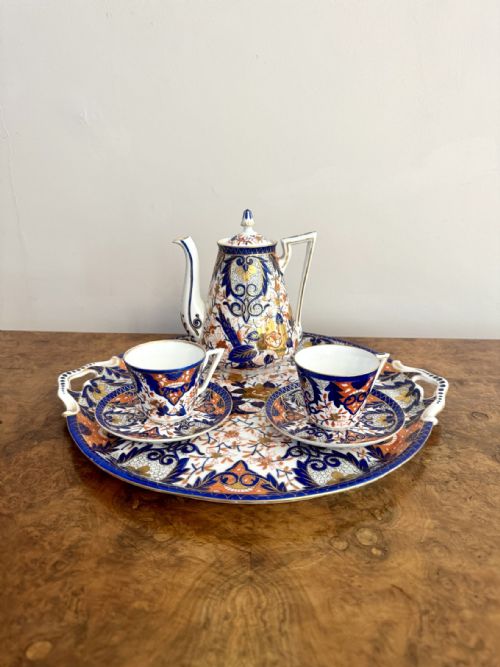
Ceramic pieces combine moulded porcelain bodies with hand-painted glazes, transfer printing, or gilt detailing. Silver-plated examples employ a base metal foundation coated with silver, while early Sheffield plate bonds silver to a copper core.
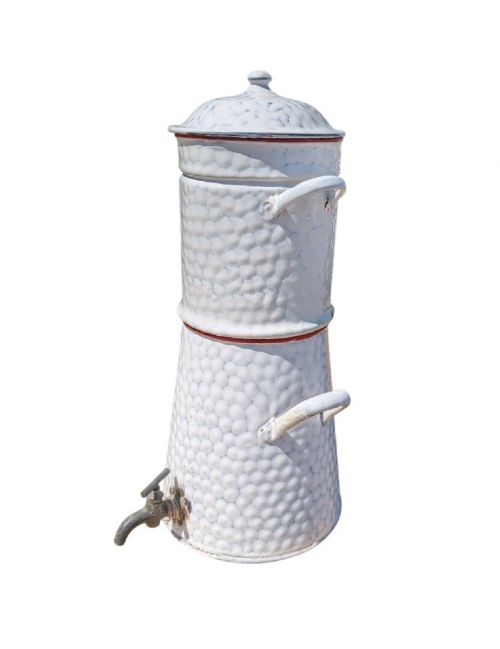
Enamel items feature fused vitreous glass coatings over sheet metal bases, providing durable coloured finishes suited to utilitarian vessels.
Vintage Coffee Pot Retail Price Guide 2026
Typical asking prices for vintage coffee pot among the pieces listed under this phrase on Sellingantiques today, from the lower quarter to the upper quarter. They describe what is for sale here now, not the wider market.
Materials across the listings include copper, porcelain, pewter, brass, enamel, and various grades of silver plate and sterling silver.
What varies in quality
Weight and structural gauge distinguish robust items from lighter production wares, particularly in copper and silver-plated pots where heavier metal denotes better durability. The crispness of chased or hand-engraved surface decoration marks the skill involved in manufacturing.
In ceramics, the finesse of hand-painted brushwork and the clarity of the glaze determine the calibre of a piece. Original components, such as matching lids, matching sugar bowls, and intact insulated handle insulators, maintain the integrity of sets.
Maker signatures and workshop marks add documentary value, separating anonymous utilitarian objects from documented studio and factory output.
Walker and Hall·William Soutter and Sons·Armada Pewter·Clarice Cliff·Harrison Brothers and Howson·Georg Jensen
The Vintage Coffee Pot Glossary
- Silver plate
- A manufacturing method where a thin layer of silver is applied to a base metal core such as copper or Britannia metal. This technique offered the appearance of solid silver at a lower cost.
- Old Sheffield plated
- An early form of plating created by fusing a sheet of silver to a copper ingot before rolling them into plates. Edges often reveal the underlying copper layer upon close inspection.
- Pewter
- A malleable metal alloy consisting primarily of tin combined with copper, antimony, or bismuth. It was widely utilised for domestic vessels due to its low melting point and workability.
- Toleware
- Metalware coated with lacquer or enamel and frequently painted with decorative motifs. Originating in Europe, these items included painted canisters and urns.
- Imari
- A style of ceramic decoration featuring deep underglaze blue and iron red highlights, often augmented with gold. The aesthetic originated in Japan and influenced European porcelain manufacturers.
Vintage Coffee Pot: Frequently Asked Questions
How do I clean a copper coffee pot?
Copper vessels benefit from gentle cleaning methods using specialised metal polishes formulated to remove oxidation without stripping the underlying metal.
Avoid abrasive scrubbers that scratch the surface, and ensure the interior remains dry after washing to prevent tarnishing.
Can I use these pots for daily brewing?
Many metal and ceramic pots remain structurally sound for serving hot beverages, though older silver-plated or lined copper vessels may require inspection of internal surfaces.
Pots with delicate hand-painted porcelain or historic pewter construction serve best as decorative display pieces or for occasional table use.
How do I identify an Edwardian silver plated set?
Edwardian sets frequently display neoclassical influences, ornate floral chasing, and maker stamps associated with early twentieth-century Sheffield or Birmingham manufacturers.
Matching sets usually comprise a coffee pot, teapot, sugar basin, and milk jug sharing identical decorative motifs and handle configurations.
What is the difference between pewter and silver plate?
Pewter is a solid, non-ferrous tin alloy with a dull, matte grey lustre and substantial weight. Silver plate consists of a base metal foundation coated with a thin layer of reflective silver.
Pewter requires minimal polishing compared to silver plate, which develops a dark tarnish over time that responds to polishing cloths.