
Vintage Cocktail Dress Ring
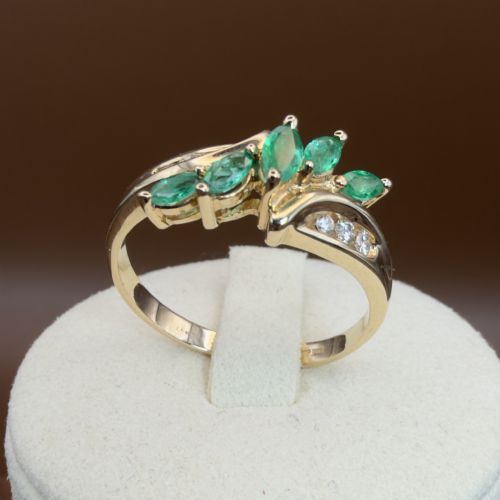
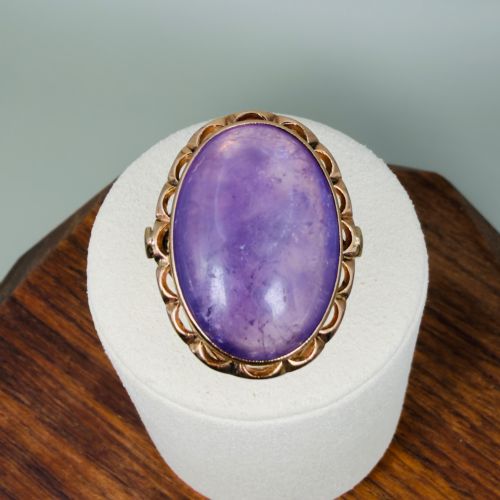
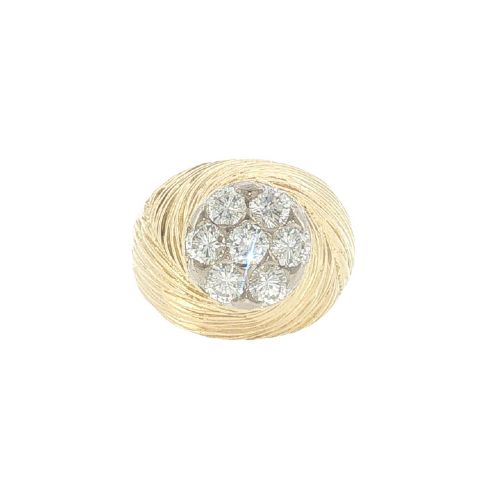
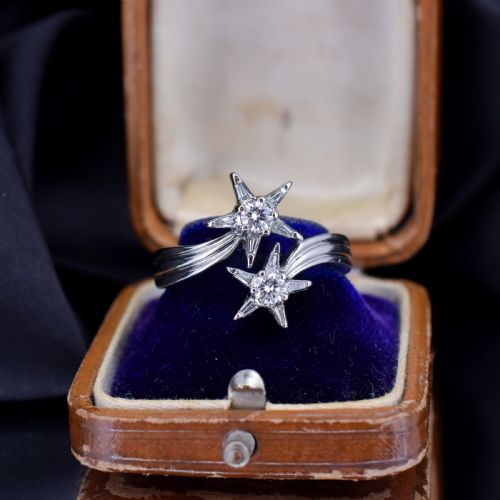
A vintage cocktail dress ring delivers undeniable presence on the hand through bold clusters, bright gemstones and sculptural mid-century or art deco lines.
Vintage Cocktail Dress Ring
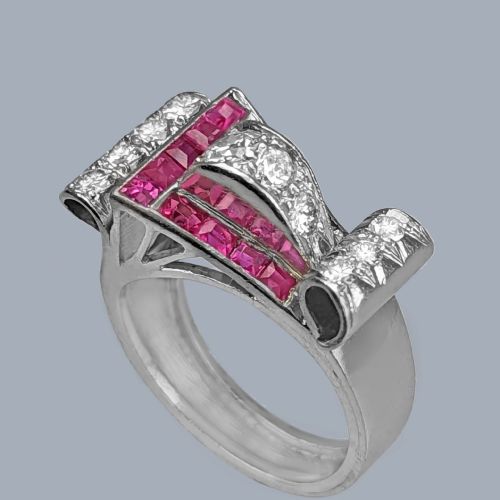
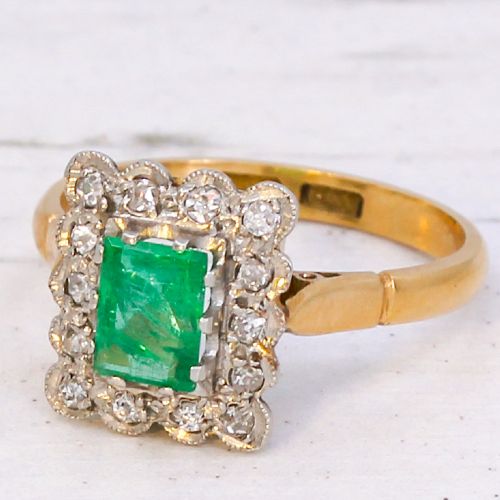
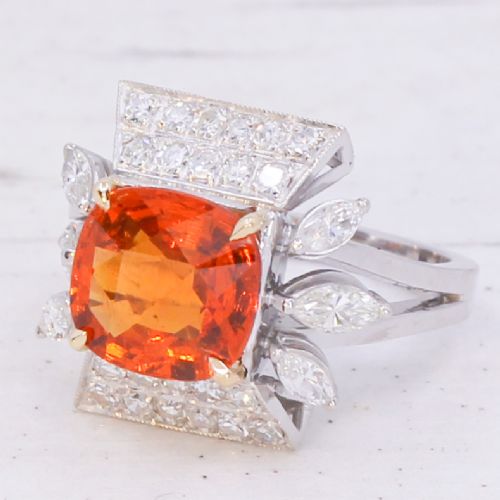
A vintage cocktail dress ring is a substantial statement piece designed to draw the eye during evening wear and social gatherings. These pieces span periods from the nineteenth century through the 1970s, encompassing distinct styles such as Edwardian, Art Deco, and mid-century modern.
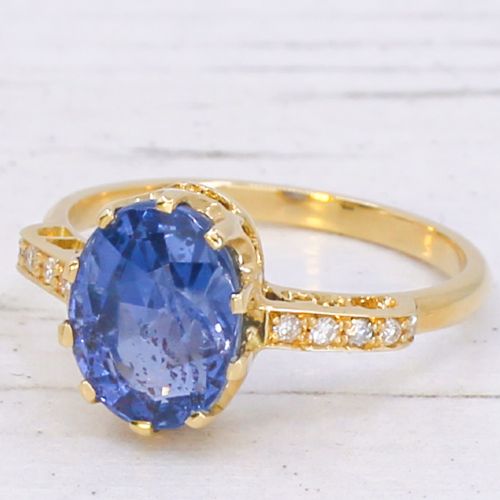
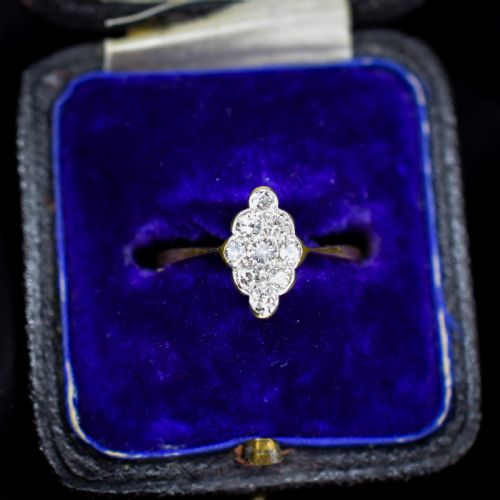
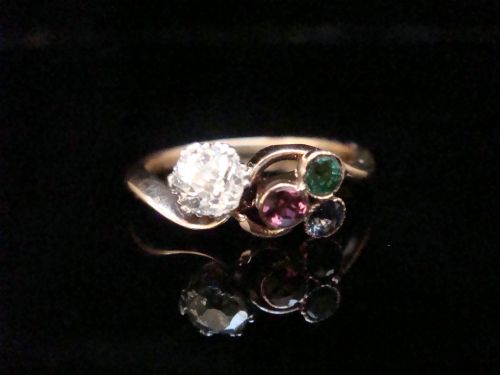
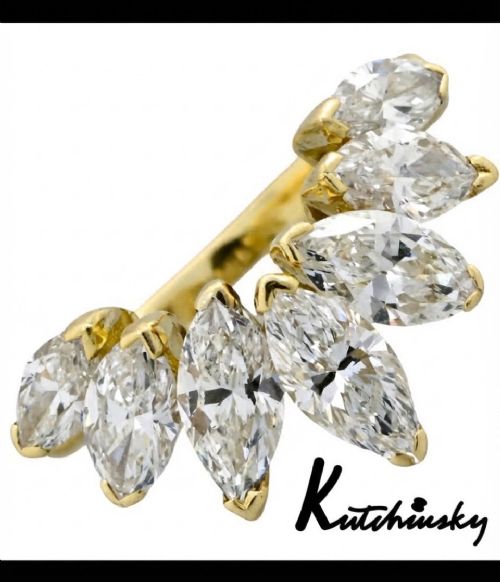
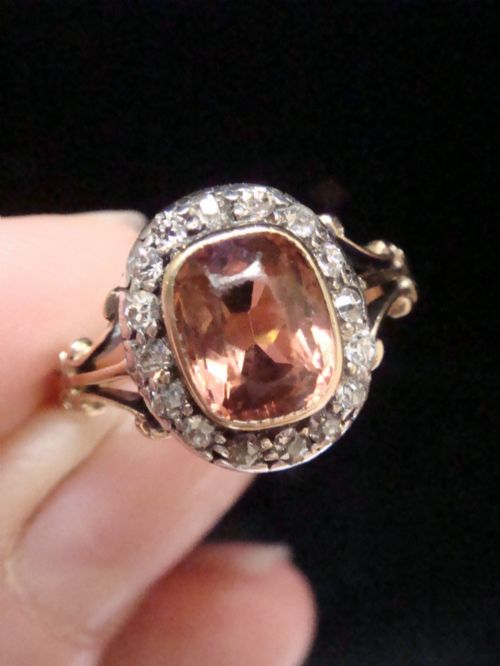
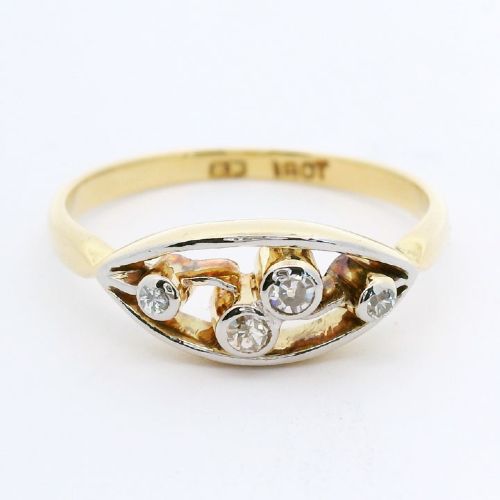
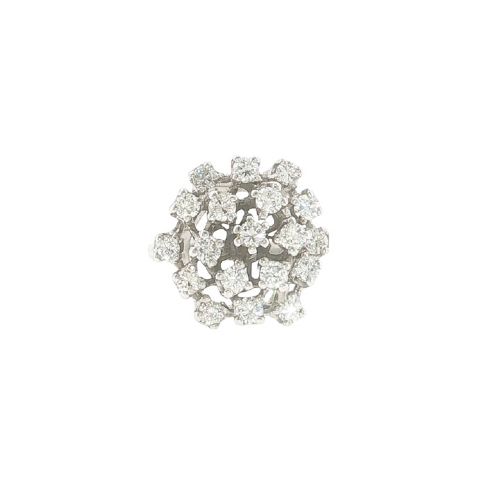
The selections encountered here most frequently include diamond and coloured gemstone clusters, navette configurations, and large single-stone dress rings. Common materials range from platinum and yellow gold to white and rose gold settings.
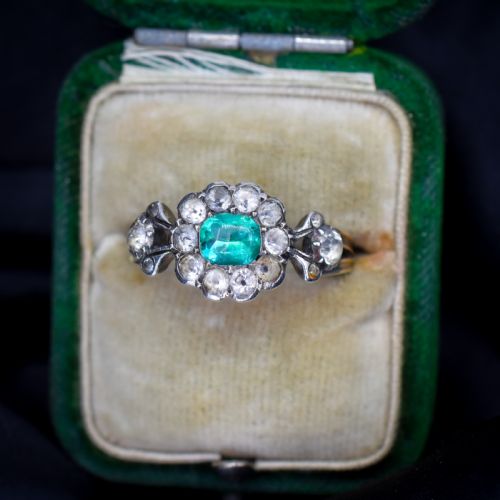
Makers and periods represented cover Edwardian craftsmanship, 1950s and 1960s cocktail creations, and later twentieth-century interpretations. Buyers encounter everything from delicate paste-set Edwardian designs to heavy seventeenth and eighteenth-style clusters.
How they were made
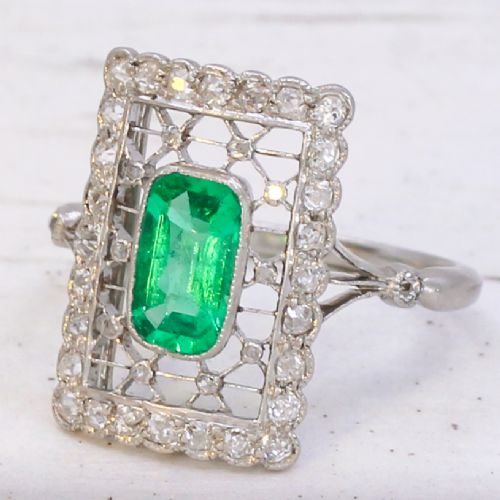
Craftsmen utilised precious metals such as 18ct yellow gold, 18ct white gold, platinum, and occasionally 9ct gold or silver-topped gold to support prominent feature stones. Setting techniques relied heavily on platinum claws, bezels, and intricate millegrain work to secure old-cut diamonds, rubies, sapphires, and emeralds.
Larger centre stones such as aquamarine, citrine, garnet, and jade were shaped into cabochons, cushions, or marquise cuts, then surrounded by halo arrangements of smaller diamonds or paste stones. Construction balances structural weight with delicate pierced galleries underneath the stone platforms.
Materials span platinum, 18ct yellow gold, white gold, and silver alongside emeralds, rubies, and sapphires.
What varies in quality
Quality rests upon the natural origin, treatment status, and weight of central gemstones, such as unheated sapphires or negligible-oil emeralds. The precision of the hand-cut old diamonds and the crispness of the platinum or gold mountings further distinguish superior examples.
The integrity of the structural basket, the weight of the gold, and the balance of the overall cluster design govern the lasting execution of the piece. Maker attribution, such as signed pieces, also elevates the standing of an individual ring.
Cartier·Kutchinsky
The Vintage Cocktail Dress Ring Glossary
- Cluster ring
- A ring featuring a central prominent gemstone surrounded by a halo of smaller stones, typically diamonds.
- Navette
- A boat-shaped or marquise setting style that tapers to points at either end of the finger.
- Old-cut diamond
- A hand-faceted diamond cut before modern brilliant standards were established, possessing smaller tables and higher crowns.
- Millegrain
- A decorative jewellery technique involving a textured edge of tiny raised metal beads along setting borders.
- Paste
- Cut and polished lead glass used historically to imitate diamonds and coloured gemstones in high-style jewellery.
Vintage Cocktail Dress Ring: Frequently Asked Questions
What is a vintage cocktail dress ring?
A vintage cocktail dress ring is a large, decorative ring traditionally worn to evening social events to make a bold visual statement.
These pieces feature prominent gemstones like sapphires, emeralds, or diamonds set in gold or platinum frames dating from the Edwardian era through the mid-century period.
How do I style a vintage cocktail ring?
These rings are designed to be worn alone on the hand so the scale and central stones command full attention.
Porter preference often places them on the middle or ring finger to balance heavier evening attire or simple modern outfits.
How do I date a cocktail ring?
Dating relies on identifying setting styles, such as geometric platinum art deco motifs or flowing Edwardian millegrain filigree.
Assay office marks, metal purity stamps, and specific gemstone cutting styles provide additional chronological markers.
Were these rings worn daily?
Original owners typically reserved these substantial statement pieces for evening wear, parties, and formal social occasions rather than daily chores.
This limited use often preserves the fine claw settings and delicate gallery work found on vintage examples today.