





Vintage Coat of Arms
A vintage coat of arms carries centuries of heraldic tradition into the home through cast iron, carved wood, and painted brass.
Vintage Coat of Arms
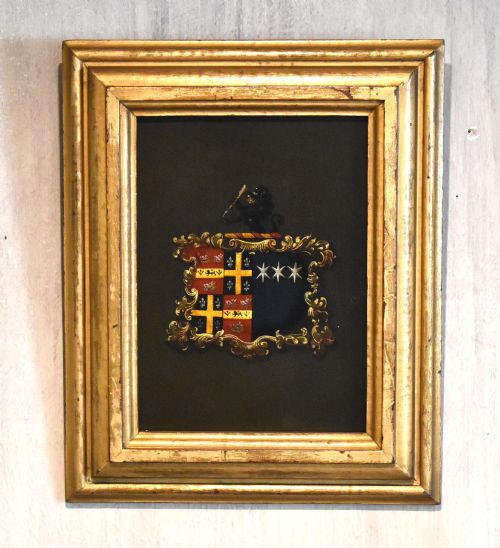
A vintage coat of arms encompasses a diverse range of armorial bearings, family pedigrees, and heraldic devices created across the seventeenth, eighteenth, nineteenth, and early twentieth centuries. Buyers search for these items to display lineage, civic pride, or military heritage on walls and in hallways.
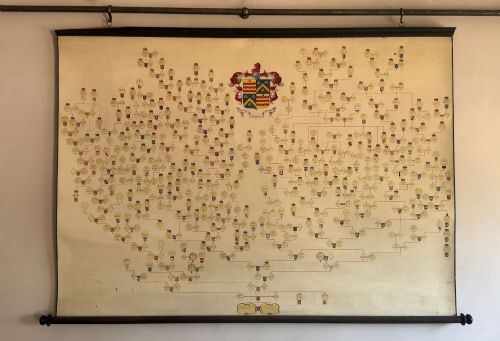
The pieces appearing most frequently span wall plaques, fire screens, umbrella stands, and framed genealogies originating from Britain, Europe, and South Africa. These objects bridge decorative arts and historical documentation, utilising media from cast iron to hand-painted paper.
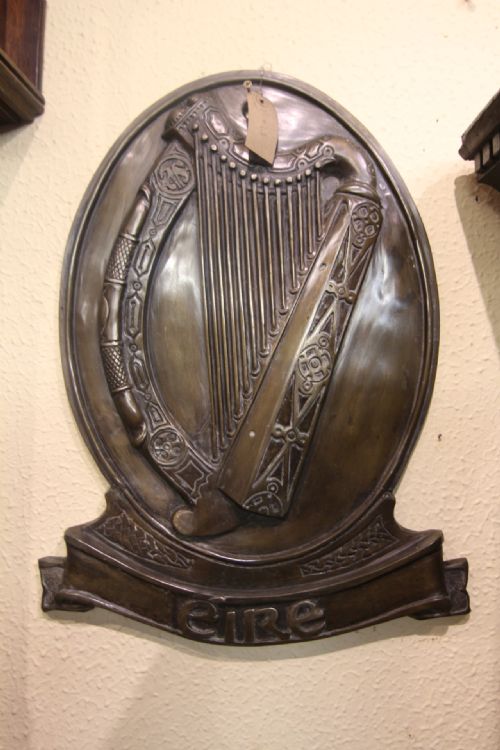
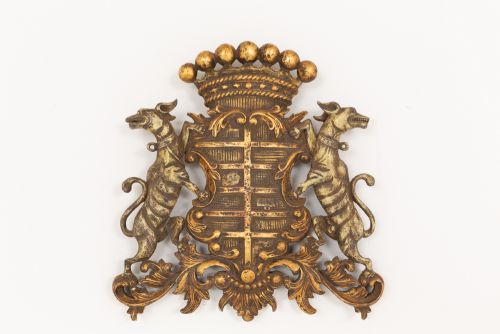
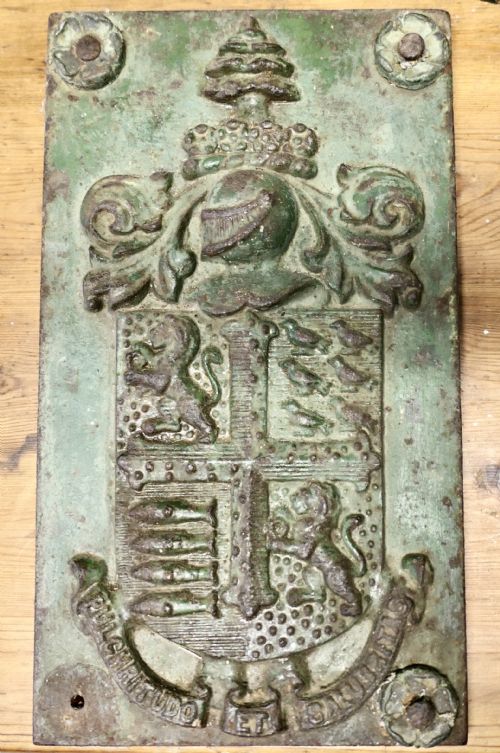
Examples range from solid iron municipal plaques and cast bronze ministry markers to carved hardwood armorial shields and embossed brass fire screens. Each item reflects the specific heraldic rules and artistic styles of its period, from Dutch Renaissance Revival to Victorian Heraldic.
Materials and Construction
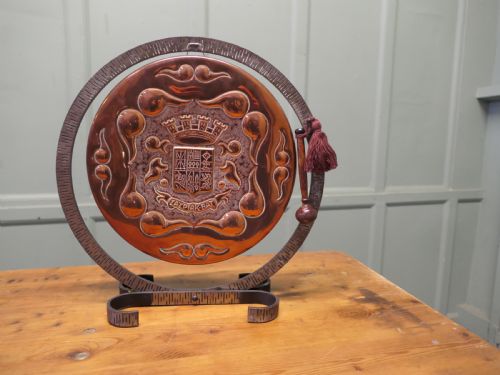
Metals form the backbone of many armorial items, utilising cast iron, solid brass, bronze, and hand-hammered copper shaped through casting, chasing, and embossing. Iron plaques and fire backs gain permanence from heavy foundry work, while brass and copper elements showcase intricate surface detail.
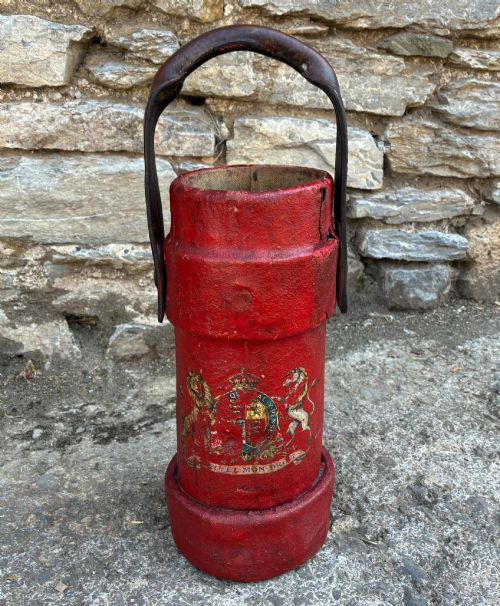
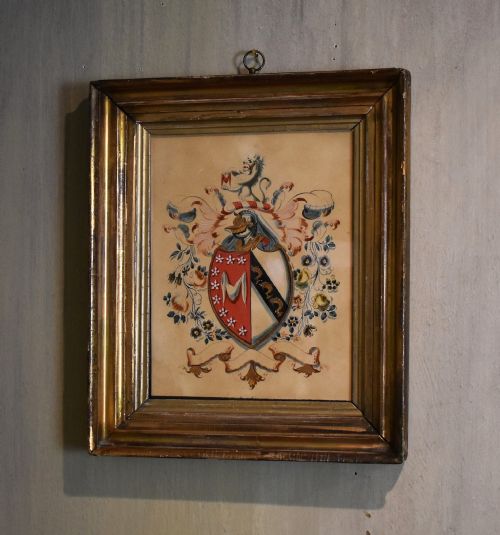
Wood and leather construction appears in coopered oak umbrella stands with brass braces, carved hardwood shields, and soft leather fire buckets. Artisans combined structural carpentry with hand-painted heraldry, paper pedigrees, and watercolour painting on parchment.
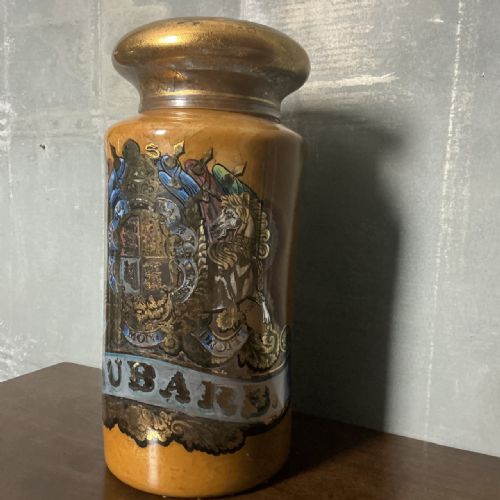
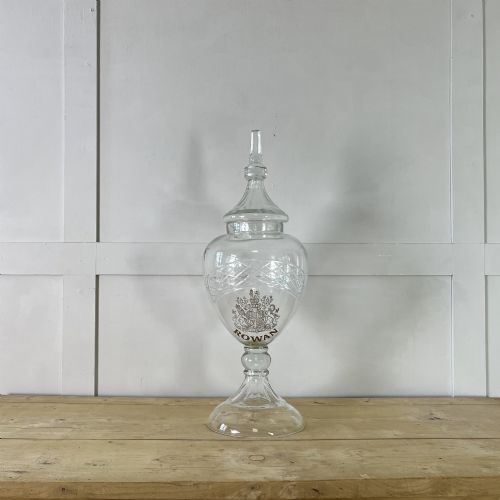
Glass and ceramic components introduce transparent and opaque colour via leaded glass windows, cut glass apothecary jars, and painted faience plaques. These varied techniques ensure each armorial object relies on the specific demands of its intended architectural or domestic setting.
Vintage Coat of Arms Retail Price Guide 2026
Typical asking prices for vintage coat of arms among the pieces listed under this phrase on Sellingantiques today, from the lower quarter to the upper quarter. They describe what is for sale here now, not the wider market.
Object types include wall plaques, umbrella stands, military helmets, stick stands, wall charts, table gongs, and cordite buckets.
Evaluating the Range
Quality separates through the sharpness of the casting, the depth of the metal chasing, and the crispness of the hand-painted heraldic tinctures. Pieces executed with precise lines and deep relief command greater visual authority than simplified commercial versions.
The integrity of the materials dictates longevity, with dense hardwoods, heavy-gauge cast metals, and well-preserved parchment pedigrees sitting at the upper end of the scale. Patina accumulated through age enhances the surface, provided the underlying armorial details remain legible and intact.
The Vintage Coat of Arms Glossary
- Armorial
- Relating to armorial bearings or a coat of arms. These designs display hereditary symbols belonging to families, corporations, or governmental bodies.
- Chasing
- A metalsmithing technique where a design is hammered into the front surface of metal to create raised relief. This method gives depth to brass fire screens and plaques.
- Coopered
- Built from wooden staves bound together with metal hoops, typical of antique barrels. Umbrella stands and fire buckets frequently utilise this method.
- Faience
- Tin-glazed earthenware produced in Europe. Painted plaques in this medium depict narrative scenes and decorative borders.
- Pedigree
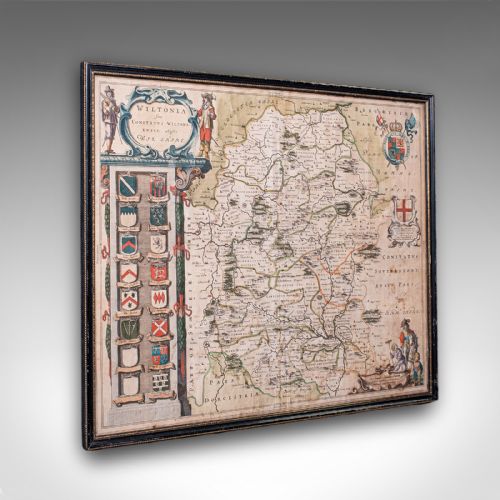
- A recorded line of descent showing family lineage and ancestral connections. Examples include framed genealogical charts dating from the Georgian era onward.
Vintage Coat of Arms: Frequently Asked Questions
What is a vintage coat of arms plaque made from?
These plaques utilise durable materials selected for display, predominantly cast iron, solid brass, bronze, and carved hardwood. Some incorporate painted details on metal or wood surfaces.
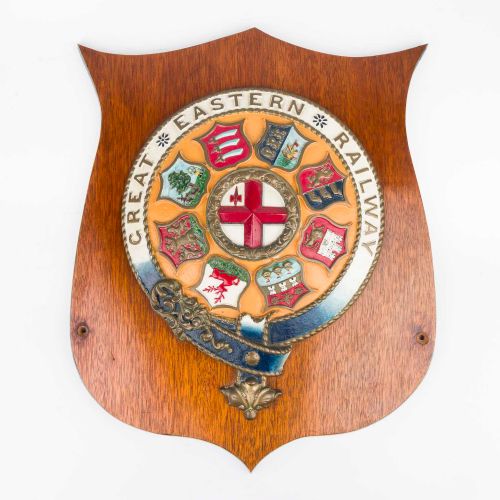
Heavier items like iron and bronze originate from municipal buildings or railway infrastructure, while lighter wooden shields decorate domestic spaces.
How were antique armorial items used originally?
Armorial pieces served both decorative and functional purposes in historic buildings, officers' messes, and domestic interiors. Items ranged from fire backs and umbrella stands to railway plaques and family lineage charts.
Civic and military pieces identified official authority or organizational pride, while household items displayed family heritage.
How do I date a cast iron coat of arms?
Dating relies on stylistic markers, casting techniques, and contextual clues such as military eras or railway company histories. Nineteenth-century examples often display Victorian heraldic conventions and heavy industrial casting.
Earlier seventeenth-century pieces show Dutch Renaissance Revival motifs, while twentieth-century items reflect twentieth-century manufacturing standards and specific military campaigns.
How should I hang a heavy iron wall plaque?
Heavy cast iron and bronze plaques require secure wall fixings anchored directly into masonry or solid wall studs. Due to the substantial weight of iron armorial plaques, standard picture hooks are insufficient.
Consulting a professional installer ensures the weight is distributed safely across the wall structure without damaging the antique piece.