


Vintage Coat Holder
A vintage coat holder offers sturdy hallway practicality, combining hooks and umbrella wells in enduring timber or metal designs.
Vintage Coat Holder
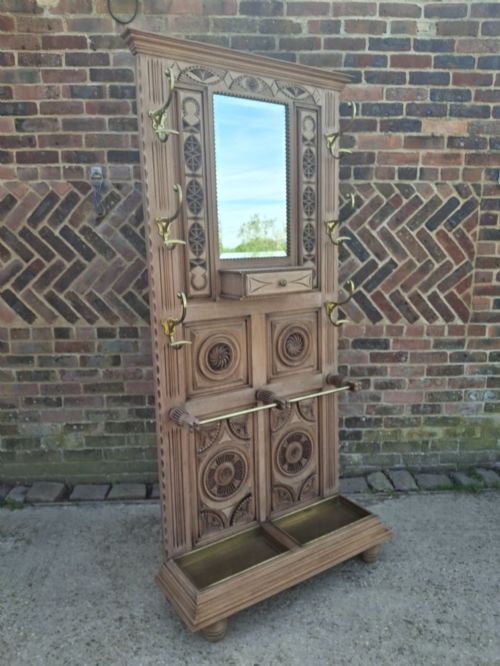
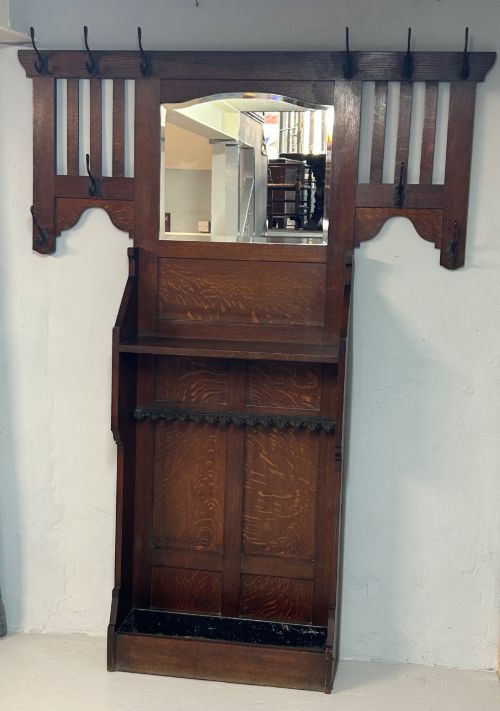
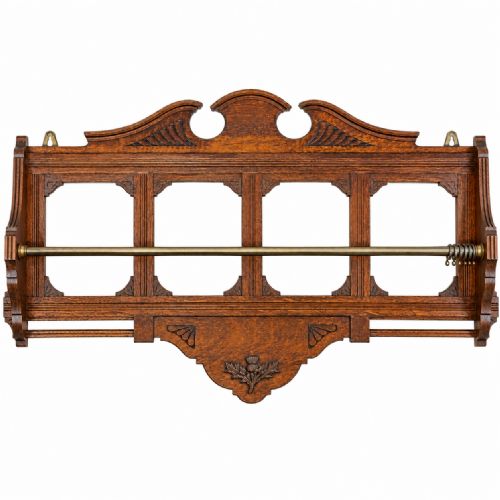
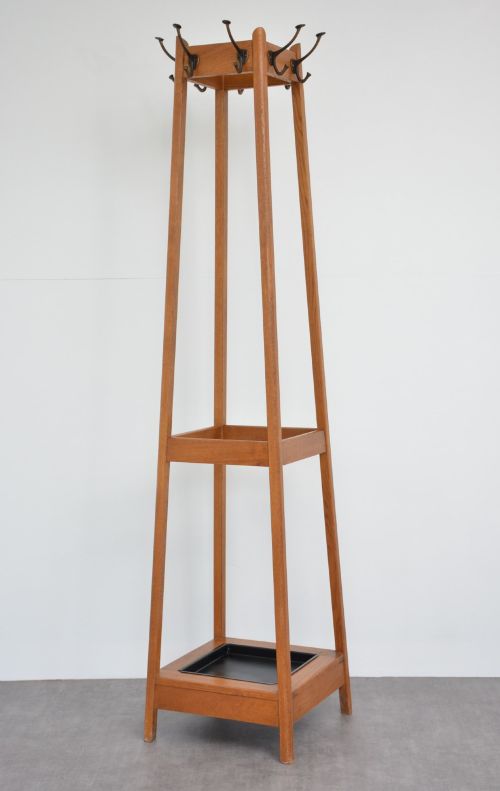
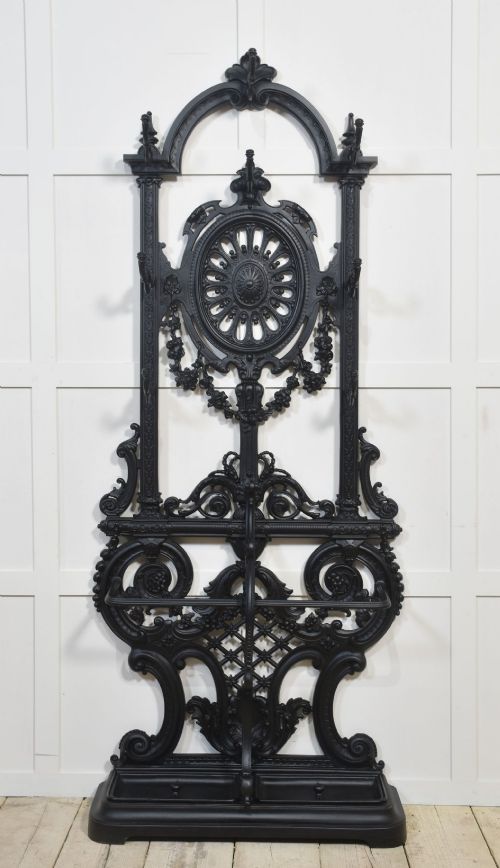
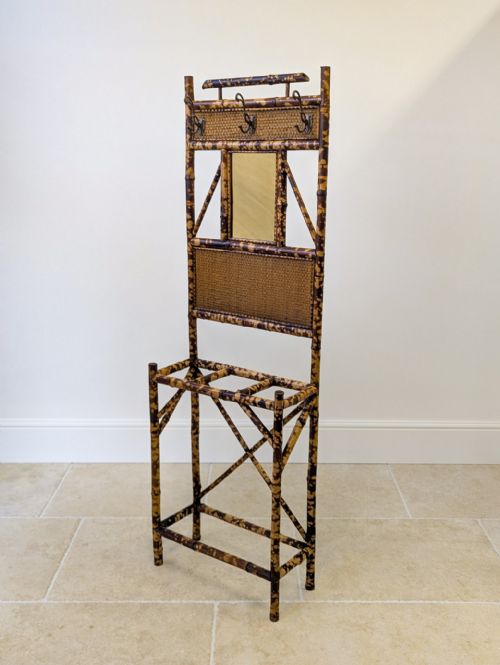
A vintage coat holder serves as a practical hallway fixture designed for garments, hats, and umbrellas, appearing in forms such as hall stands and wall shelves. These pieces date across the nineteenth and twentieth centuries, spanning periods from the Victorian era through the 1950s.
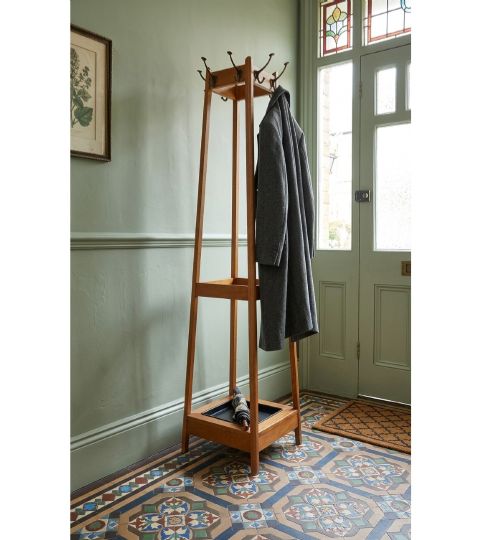
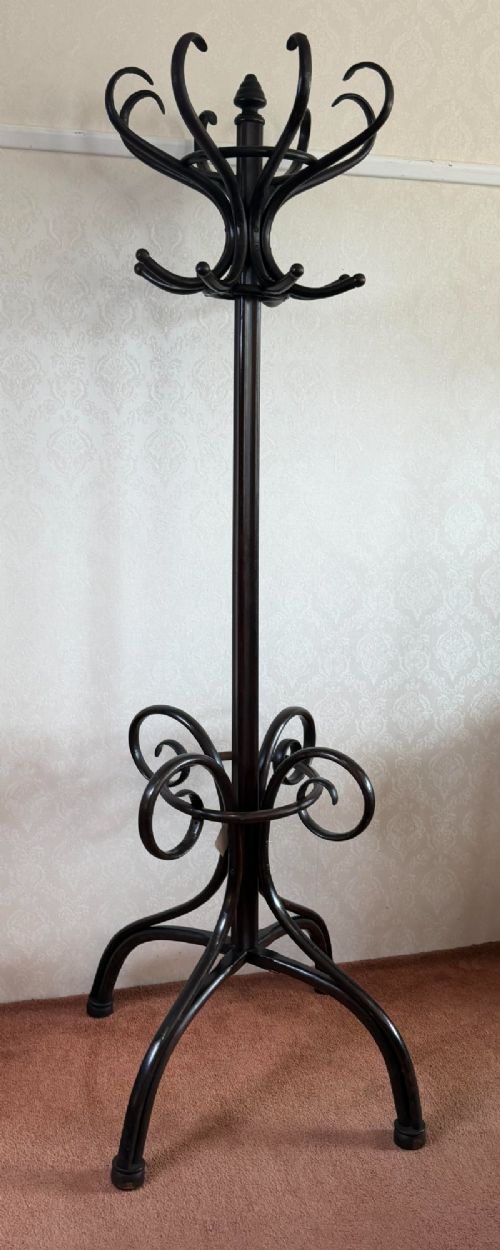
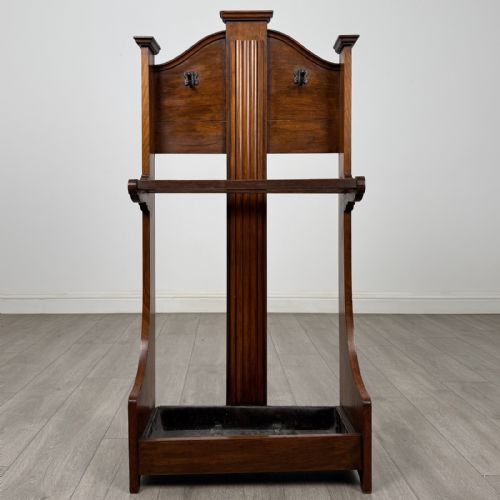
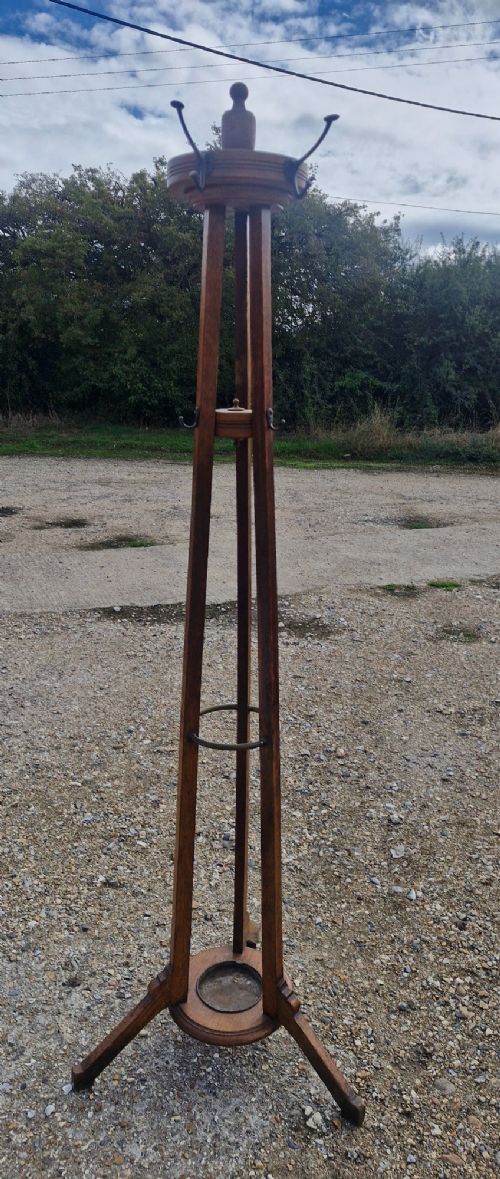
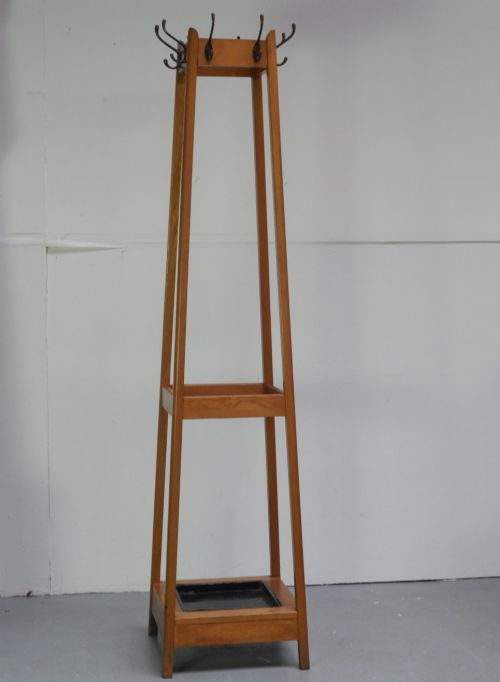
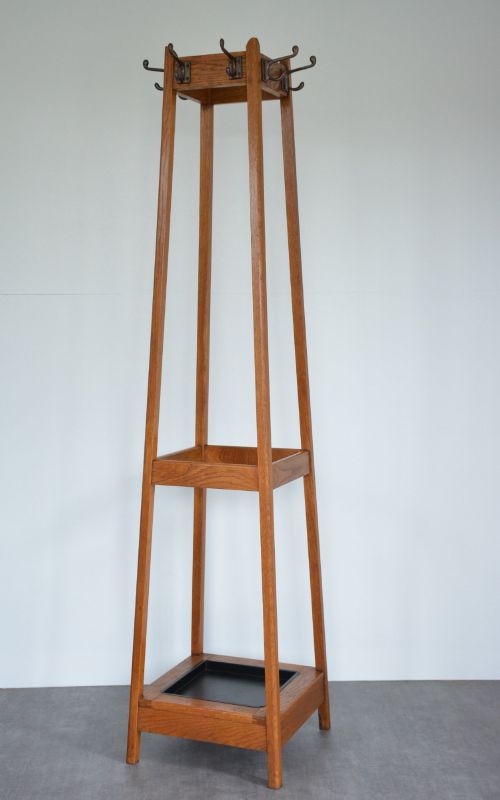
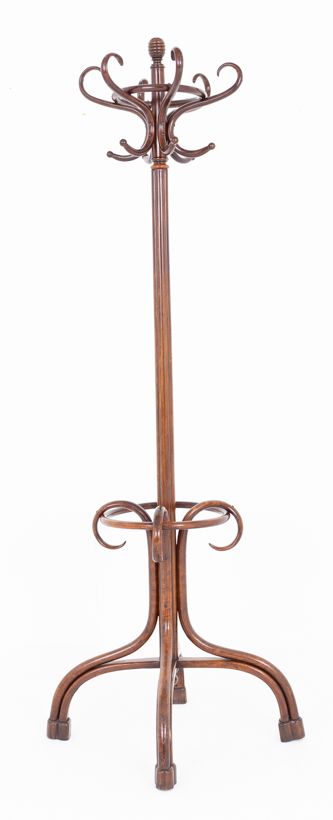
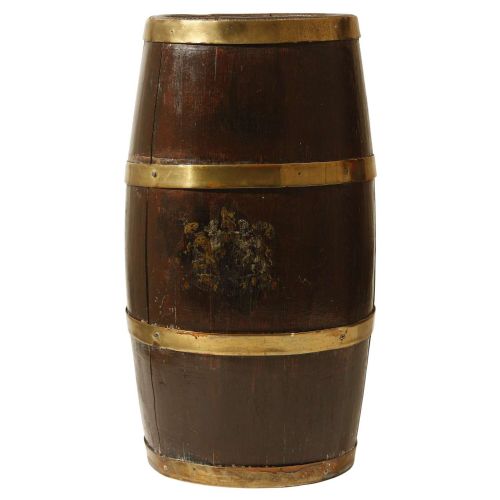
Buyers commonly encounter substantial oak or bentwood formats that integrate hat hooks and umbrella drip trays. Variations include revolving hat and coat stands, coopered barrel umbrella stands, and industrial oak examples.
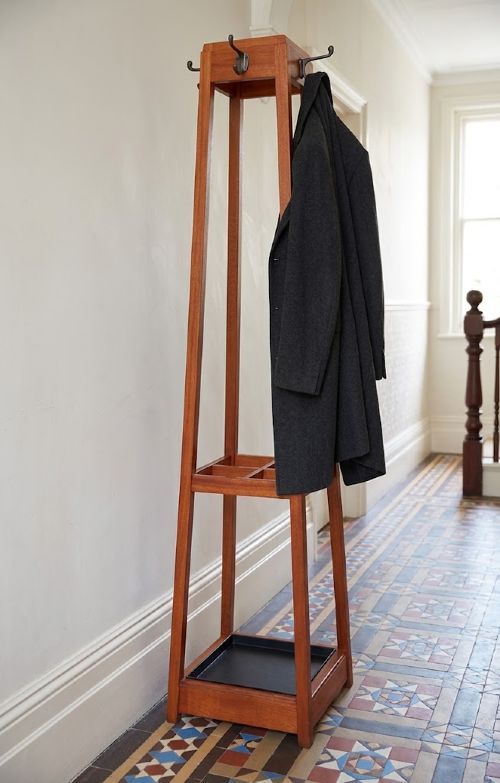
Originating in domestic hallways and public spaces, these items reflect the changing interior requirements of the 19th Century, Edwardian, and later periods. The selection ranges from compact wall-mounted racks to tall freestanding hall trees.
Materials and construction methods
Construction relies heavily on solid timber and bentwood techniques, utilising materials such as oak, mahogany, walnut, and beech. Wood elements are frequently shaped through steam-bending or coopered barrel construction, seen in oak umbrella stands bound with brass.
Vintage Coat Holder Retail Price Guide 2026
Typical asking prices for vintage coat holder among the pieces listed under this phrase on Sellingantiques today, from the lower quarter to the upper quarter. They describe what is for sale here now, not the wider market.
Listings feature oak, mahogany, walnut, beech, cast iron, and brass across periods from the 19th Century to the 1950s.
Assessing build quality and material selection
Quality separates simple utility from refined craftsmanship through the choice of timber and the execution of structural joints. Solid oak and mahogany examples demonstrate greater material density than softer woods, while steam-bent beech requires precise tension management to maintain curves.
The integration of functional accessories, such as cast metal drip trays, brass braces, and securely fixed coat hooks, determines the overall durability of the piece. Superior construction ensures stability under the weight of heavy garments and wet umbrellas.
The Vintage Coat Holder Glossary
- Bentwood
- Wood shaped by steaming and bending into curved forms. This technique creates lightweight yet strong frames for coat and hat stands.
- Coopered
- Construction method using tapered wooden staves bound with metal hoops. This technique forms cylindrical objects like oak barrel umbrella stands.
- Hall stand
- A combined hallway furniture piece incorporating coat hooks, a mirror, and umbrella holders. These versatile items organise outerwear in entrance spaces.
- Drip tray
- A removable metal basin placed at the base of a stand. It catches water runoff from wet umbrellas to protect the floor.
Vintage Coat Holder: Frequently Asked Questions
What is a vintage coat holder?
A vintage coat holder is a hallway furnishing designed to store outdoor garments and wet accessories. These objects range from freestanding wooden hall stands to wall-mounted metal racks.
They combine hooks for coats and hats with dedicated wells or trays for sticks and umbrellas. The category includes diverse historical styles spanning the Victorian era to the mid-twentieth century.
How were these stands used originally?
These stands served as the primary storage point for outdoor wear in entrance halls and vestibules. Guests and residents deposited hats, coats, and walking sticks upon entering the home.
Integrated drip trays caught rainwater from wet umbrellas to protect interior flooring. Their placement near the main entrance ensured outerwear was readily accessible.
How do I care for wooden hall stands?
Maintain wooden surfaces by dusting regularly with a dry cloth and applying appropriate wax periodically. Avoid placing timber stands in areas subject to excessive moisture or direct sunlight.
Metal components like brass braces and cast iron trays require gentle cleaning to prevent tarnishing. Ensure umbrella drip trays are emptied and dried regularly to protect adjacent wood.
How can I tell the period of a stand?
Dating relies on observing construction methods, material choices, and decorative styles. Victorian and Edwardian pieces often feature ornate carved details, bamboo, or heavy cast iron.
Mid-century examples tend toward simpler industrial oak construction or clean bentwood lines. Examining the hardware and fasteners also helps determine the era of manufacture.