


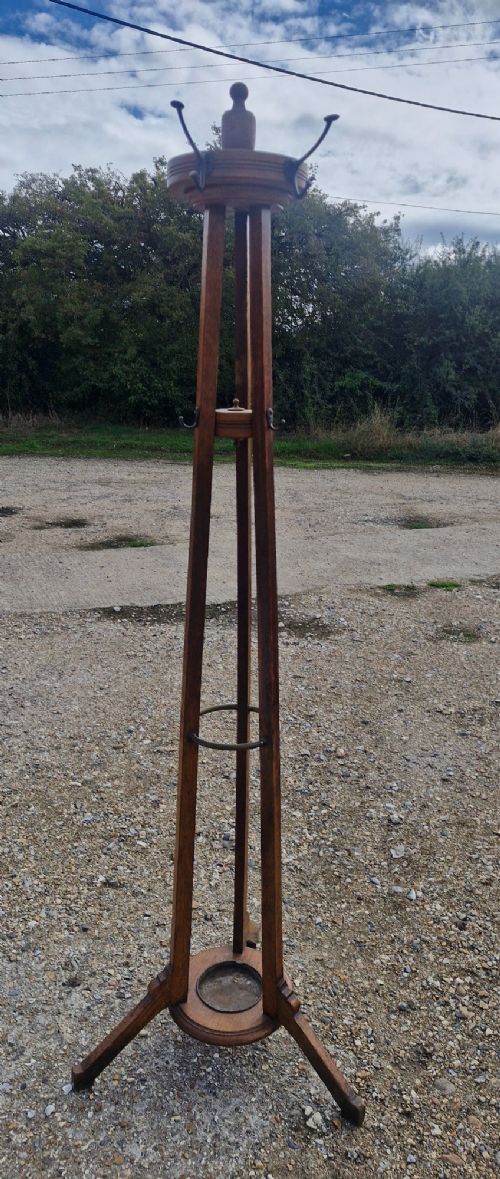

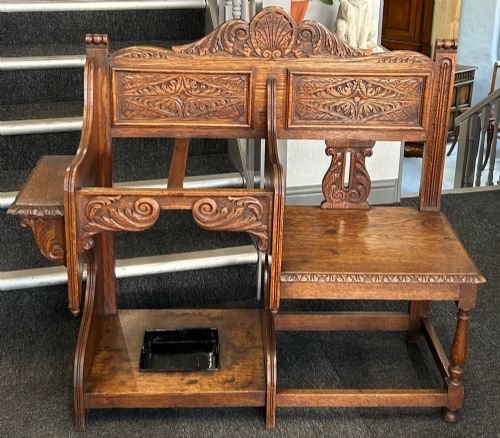
Vintage Coat and Umbrella Stand
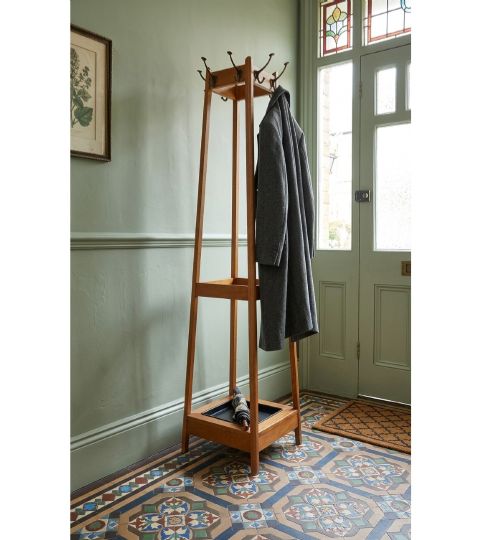
A vintage coat and umbrella stand keeps hallways tidy while bringing period character to an entrance.
Vintage Coat and Umbrella Stand
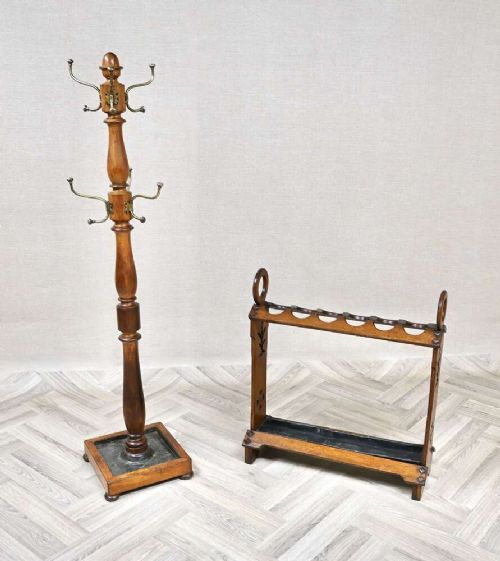
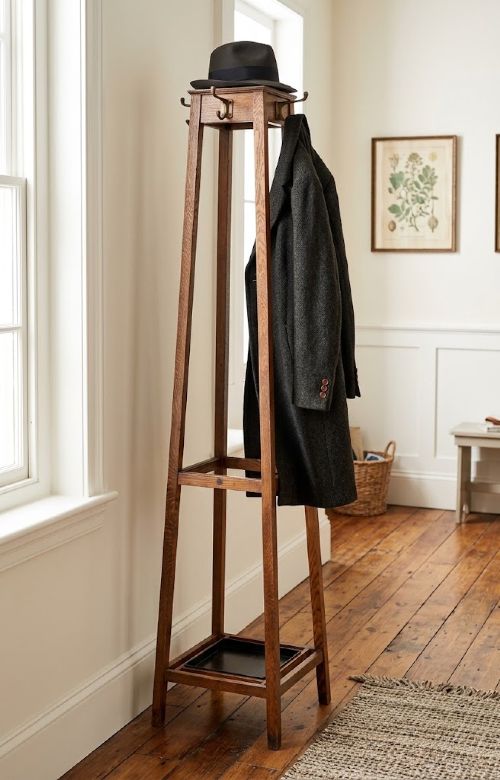
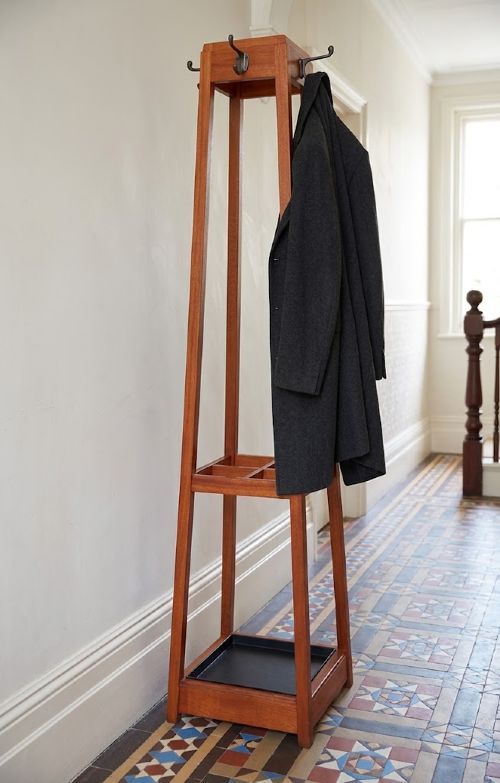
A vintage coat and umbrella stand combines practicality and hall storage, appearing frequently as oak or bentwood hall stands, hall seats, and hat racks designed for entranceways.
Pieces span periods from the Victorian era and the 19th century through Edwardian times up to the mid 20th century, encompassing styles such as Arts and Crafts, Art Nouveau, and the Aesthetic Movement.
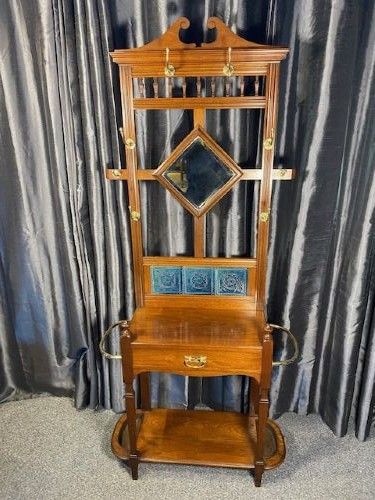
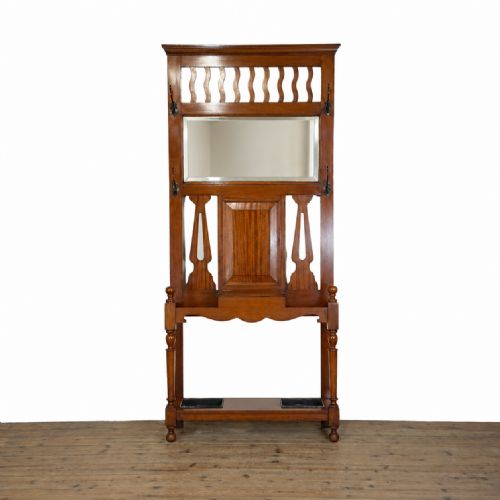
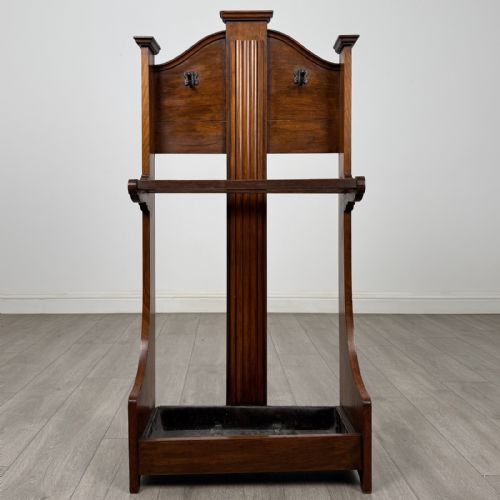
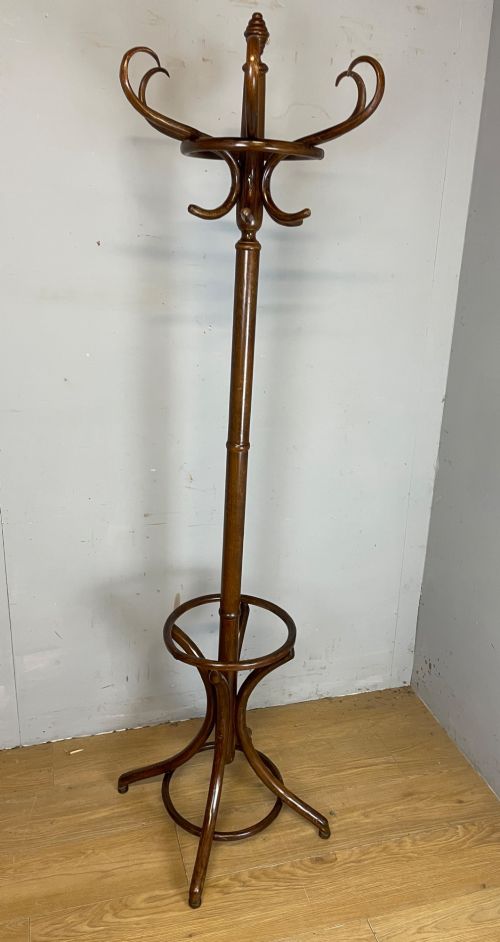
Common formats include wall-facing hall stands with mirrors, seats, and integrated drip trays, alongside freestanding revolving bentwood coat trees and umbrella holders.
Materials and construction
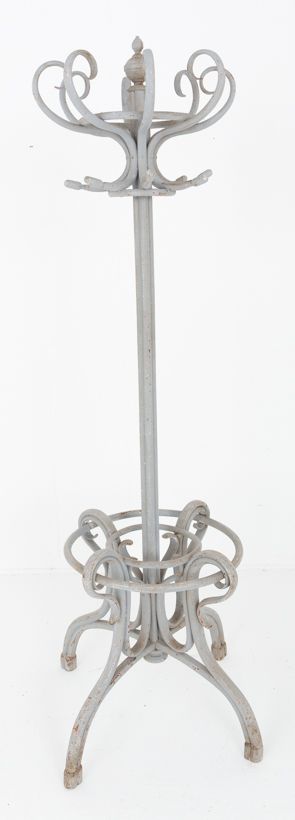
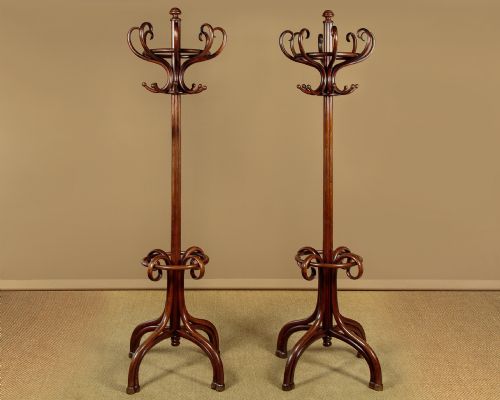
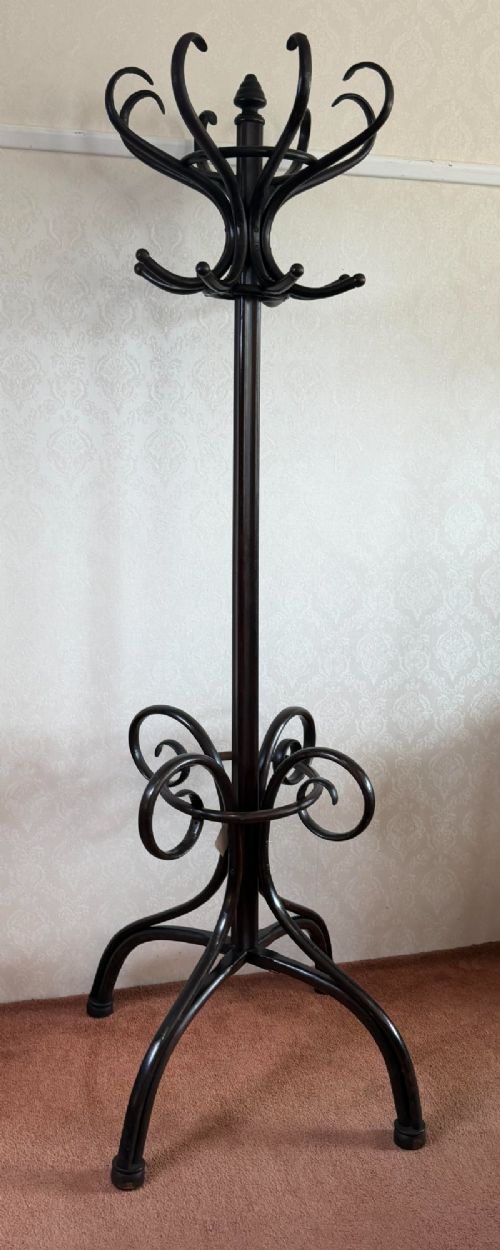
Construction relies heavily on solid oak, mahogany, and beech, often shaped using steam-bentwood techniques to create curved rails and umbrella rings.
Cast iron provides structural weight and decorative detail in heavy frames, frequently paired with brass hooks and removable metal drip trays.
Joinery includes carved wooden panels, integrated mirrors, and bamboo framing typical of nineteenth-century aesthetic pieces.
Vintage Coat and Umbrella Stand Retail Price Guide 2026
Typical asking prices for vintage coat and umbrella stand among the pieces listed under this phrase on Sellingantiques today, from the lower quarter to the upper quarter. They describe what is for sale here now, not the wider market.
Keep an eye out for the occasional carved green man peering out from the timber foliage.
Judging quality and build
Quality shows in the integrity of the timber and the rigidity of the frame, particularly in bentwood designs where steam-bent curves must maintain structural tension over decades.
The sophistication of surface ornament, such as deep hand-carving on oak panels or makers' stamps on bentwood pieces, separates standard utility items from finer workshop output.
Completeness of original components - such as brass coat hooks, drip trays, and mirrors - determines the integrity of the piece.
Thonet·J Parker of Woodstock·Coalbrookdale
The Vintage Coat and Umbrella Stand Glossary
- Bentwood
- Furniture formed by steaming wood until pliable and bending it into rounded shapes. This technique defines many lightweight nineteenth-century coat stands.
- Drip tray
- A metal base situated beneath umbrella holders to catch moisture. These are often removable for cleaning.
- Hall seat
- A hall stand incorporating a built-in bench seat. They frequently feature lift-up storage compartments beneath the seat.
- Hall tree
- An alternative term for a freestanding vertical coat and hat stand. They generally include multiple tiers of upward-pointing wooden hooks.
Vintage Coat and Umbrella Stand: Frequently Asked Questions
How do I use a hall stand in a small hallway?
Freestanding bentwood coat trees occupy minimal floor space while providing multiple tiers for hats, coats, and walking sticks.
Alternatively, half-round hall stands fit flush against a wall to maximise narrow circulation areas without blocking doorways.
How do I care for antique oak hall stands?
Maintain the timber by applying natural beeswax periodically to nourish the grain and protect the surface from moisture damage.
Keep metal drip trays clean and dry to prevent rust from forming where wet umbrellas rest.
What is the difference between a hall stand and a coat tree?
A hall stand is typically a substantial wall-facing piece of furniture that includes a mirror, umbrella wells, and sometimes a bench seat.
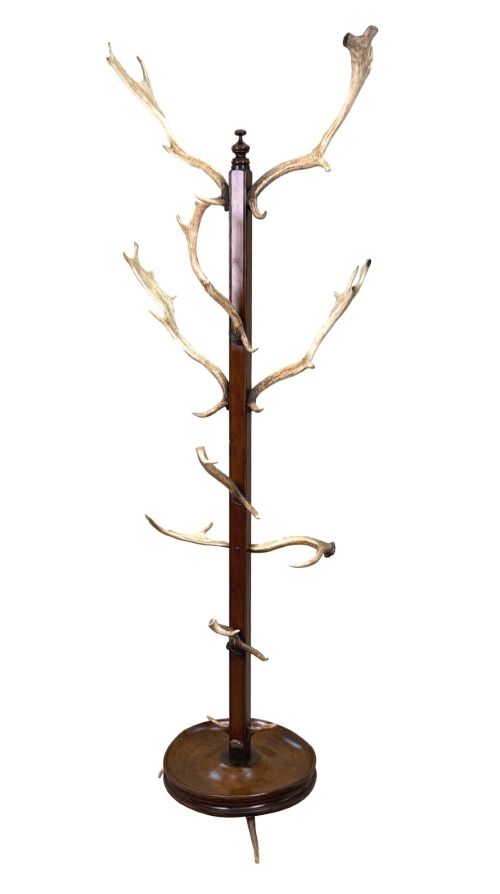
By contrast, a coat tree is usually a compact, freestanding vertical post with radiating arms designed solely for hanging garments and hats.
How do I identify Victorian hall stands?
Victorian examples often display heavy carved timber, dark mahogany or oak finishes, and integrated bevelled mirrors.
Cast iron versions from this period frequently exhibit ornate openwork frames and manufacturer registry marks.