


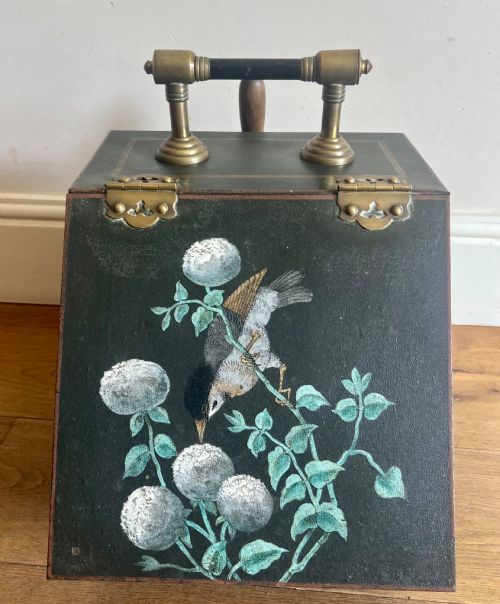


Vintage Coal Box
A vintage coal box brings solid Victorian or Edwardian utility to the hearth, offering a practical way to store fuel while adding character to a fireplace.
Vintage Coal Box
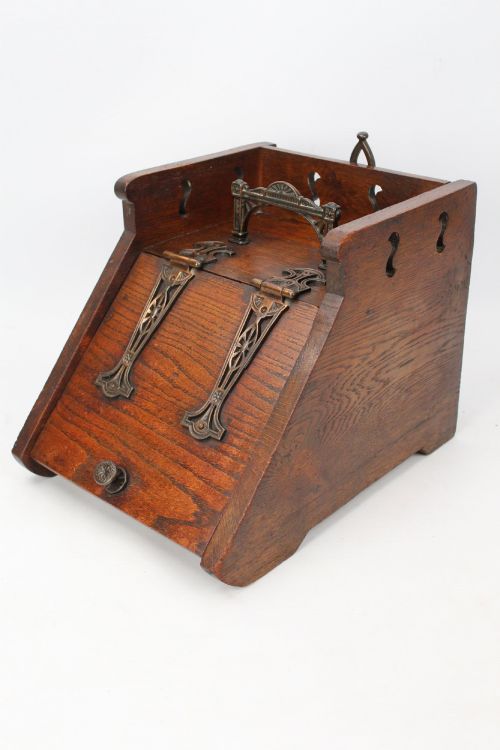
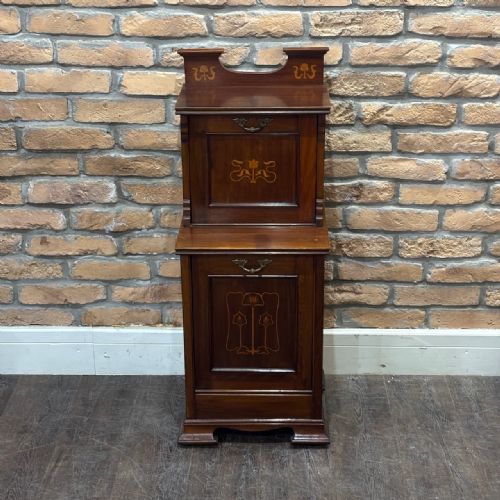
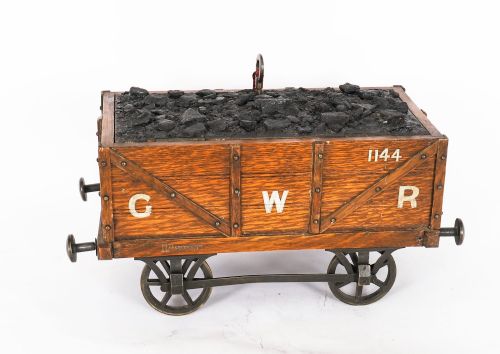
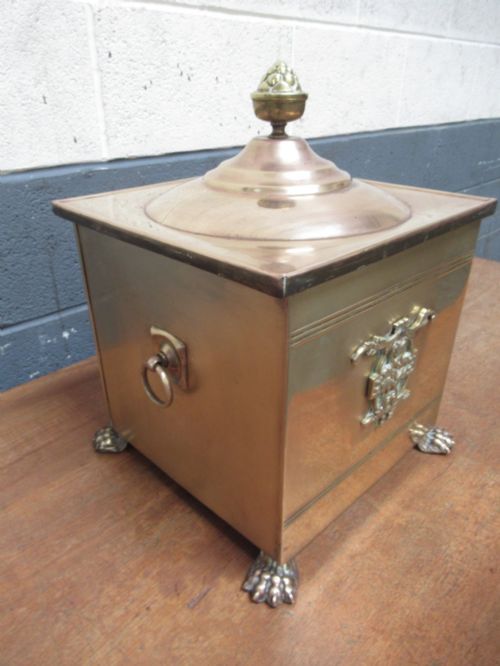
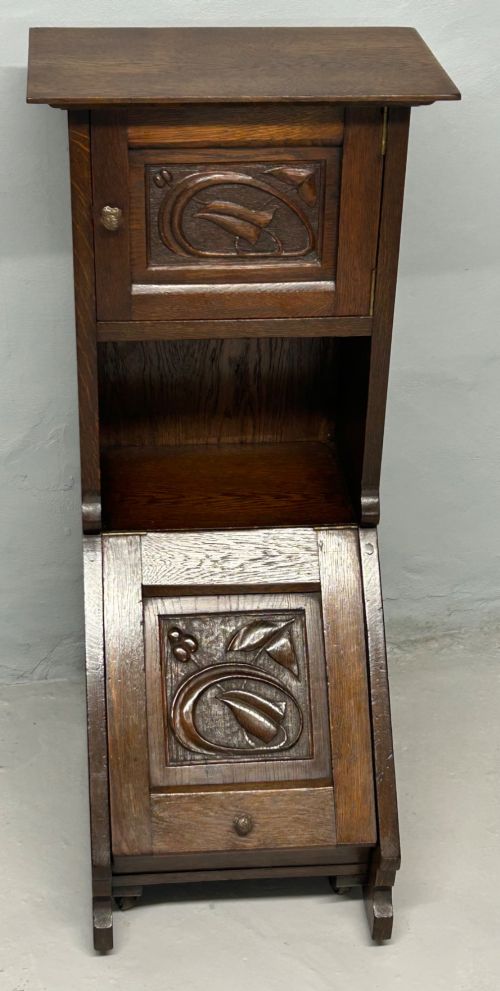
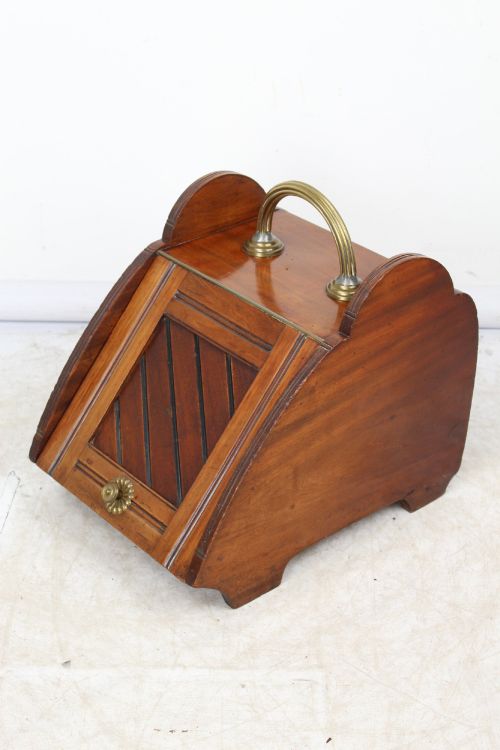
A vintage coal box serves as a functional hearth accessory designed to hold solid fuel close to the fire. When exploring this selection, buyers encounter various forms including traditional scuttles, purdoniums with drop-down chutes, and lidded bins.
The pieces span periods from the nineteenth century through the nineteen-thirties, reflecting changing domestic habits. Victorian and Edwardian examples dominate the offerings, alongside later Arts and Crafts and Art Deco designs.
Materials range from polished brass and copper to oak, mahogany, and cast iron. Many retain practical internal liners or matching scoops for daily use beside an open grate or stove.
How they were made
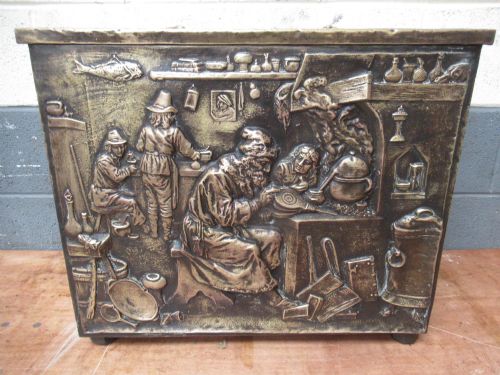
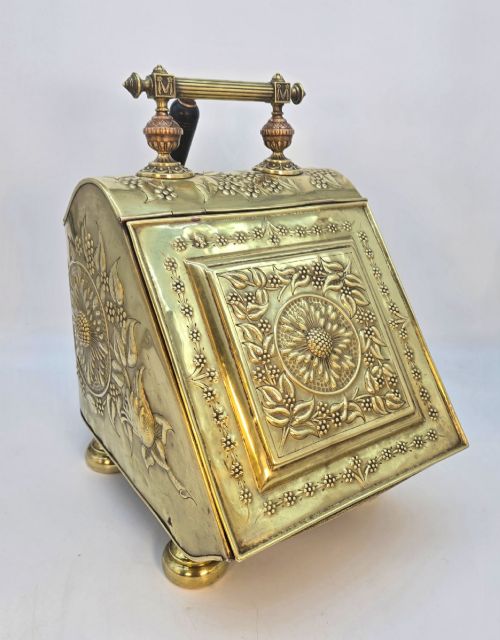
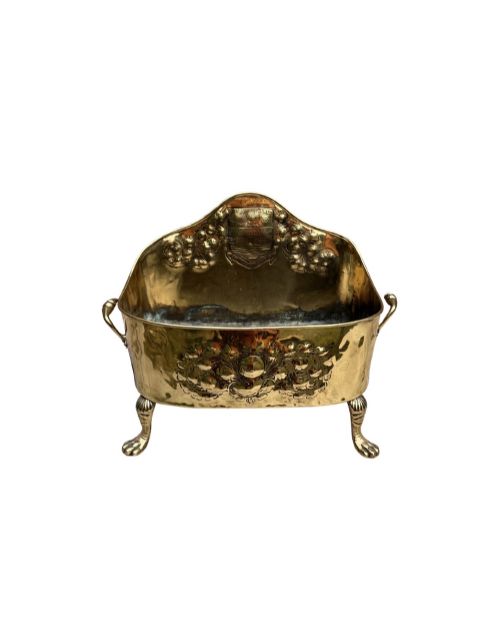
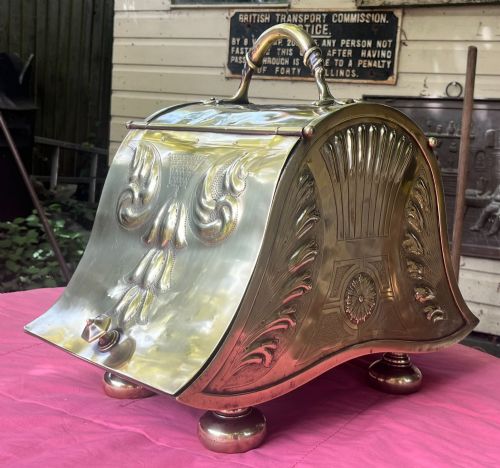
Metal versions utilise sheet brass and copper, often shaped by hand with hammered repoussé decoration, embossing, or riveted iron fittings. Blacksmith-made pieces employ heavy wrought iron and cast components built to withstand the rigours of daily fuel handling.
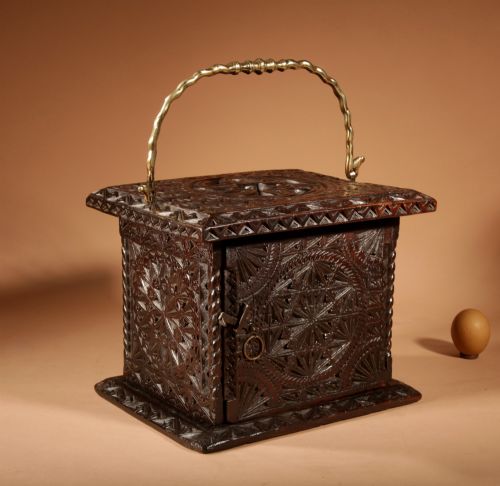
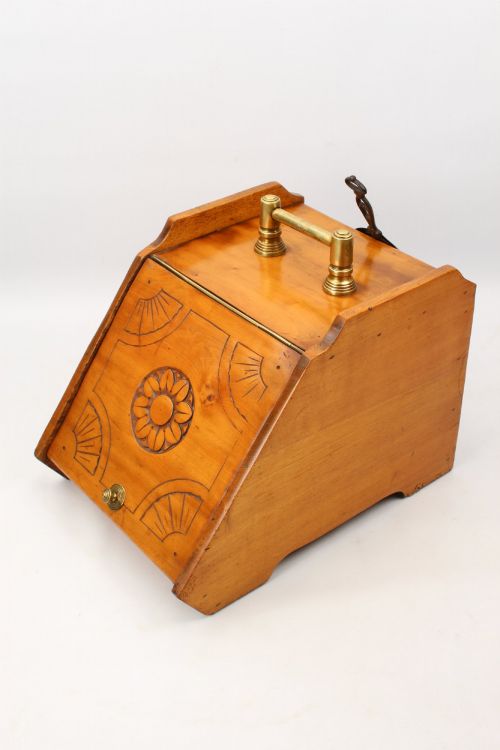
Wooden examples rely on cabinet-making traditions, combining solid oak, mahogany, or walnut with brass hinges, handles, and liners. Chip carving, panel moulding, and applied metal mounts add decorative finish to structural storage boxes.
Vintage Coal Box Retail Price Guide 2026
Typical asking prices for vintage coal box among the pieces listed under this phrase on Sellingantiques today, from the lower quarter to the upper quarter. They describe what is for sale here now, not the wider market.
Materials span polished brass, warm copper, heavy cast iron, and traditional hardwoods including oak, mahogany, and walnut.
What varies in quality
Quality rests upon the weight of the metal and the selection of timber used in construction. Substantial gauge brass, heavy cast iron, and figured hardwoods distinguish superior examples from lighter commercial production.
The integrity of original hinges, drop-front mechanisms, and internal metal liners dictates the overall standard of a piece. Maker attributions and fine hand-tooled surface ornament elevate specific boxes above standard hearth utility.
Benham and Froud·Henry Loveridge
The Vintage Coal Box Glossary
- Purdonium
- A box or cabinet specifically designed for storing coal, typically featuring a sloping drop-down front and an internal metal shovel or liner. This Victorian cabinet form kept fuel neatly concealed beside the fireplace.
- Coal Scuttle
- A bucket or pail with a hinged handle and a shaped lip for pouring fuel directly onto a fire. These vessels appear in brass, copper, and iron.
- Repoussé
- A metalworking technique where the artisan hammers the design from the reverse side to form raised relief patterns on the surface. This ornamental method is common on Victorian brass and copper boxes.
- Tole Ware
- Painted or lacquered sheet metal items produced to simulate more expensive japanned wares. These pieces often feature decorative surfaces suited to domestic storage.
- Hearth Tidy
- A general term for containers and accessories kept near the fireplace to maintain an orderly hearth. They corral fuel, ash, and fire tools in one designated spot.
Vintage Coal Box: Frequently Asked Questions
How do I clean a brass coal box?
Cleaning depends on whether you prefer a bright polished finish or an aged historic patina. Most owners use a soft cloth and mild soapy water to remove dust and soot without stripping character.
Strong metal polishes should be used sparingly on antique brass to preserve surface definition, especially on repoussé work. Avoid harsh abrasives that scratch softer metals like copper.
Can I still use these for real coal?
Many vintage boxes remain robust enough to hold logs, coal, or kindling beside an active fire. Metal liners inside wooden purdoniums protect the timber from moisture and dirt.
It is sensible to check the condition of any internal liner before loading heavy fuel. Lighter decorative bins work well simply storing kindling or magazines.
How do I tell Victorian from Edwardian pieces?
Victorian coal boxes often display heavy ornamentation, including elaborate brass repoussé, dark carved mahogany, and robust cast iron. They lean towards formal, ornate decoration suitable for nineteenth-century interiors.
Edwardian and later pieces frequently show lighter Arts and Crafts influences, simpler oak construction, and cleaner geometric lines. Maker marks and construction techniques help confirm the exact period.