



Vintage Clay Vessel
These vintage clay vessel examples bring earthy warmth and tactile texture to interiors, prized for their weathered patinas and functional history.
Vintage Clay Vessel
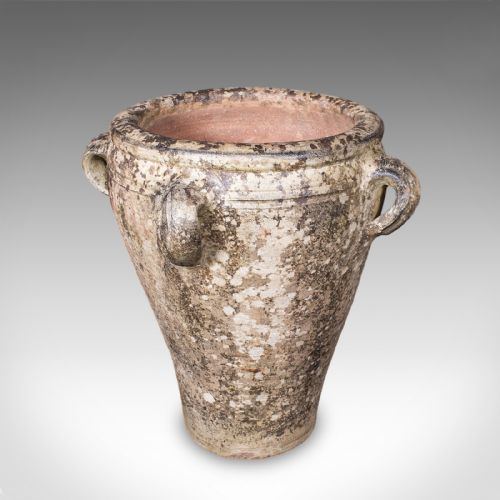
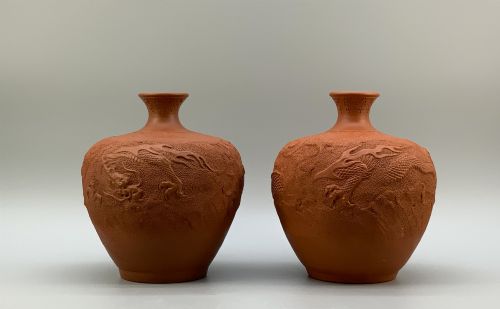
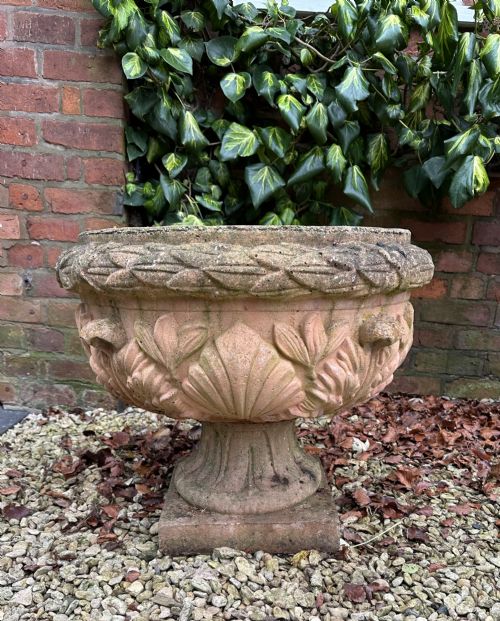
A vintage clay vessel encompasses domestic and garden containers shaped from earthenware, terracotta, and stoneware across the nineteenth and twentieth centuries. These objects range from massive storage jars and oil jars to delicate teapots, cooking dishes, and decorative vases.
The pieces visible on this page lean heavily towards large-scale garden planters, Mediterranean olive jars, and traditional utilitarian forms. European workshops dominate the selection, bringing rustic farmhouse, Tuscan, and folk art traditions directly into the domestic sphere.
How they were made
Potters shaped these items using traditional throwing and moulding techniques, utilising basic earthen materials that responded directly to the demands of daily utility or horticulture. Terracotta and red clay provided the porous, breathable body essential for garden planters and water storage.
Surface treatments added durability and visual character, varying from simple lime wash coatings to natural glaze applications and decorative agateware effects. Iron elements occasionally appeared as functional mounts or handles on specific domestic kitchenware and storage pieces.
Vintage Clay Vessel Retail Price Guide 2026
Typical asking prices for vintage clay vessel among the pieces listed under this phrase on Sellingantiques today, from the lower quarter to the upper quarter. They describe what is for sale here now, not the wider market.
Some garden pots retain ancient root marks inside, whispering of decades spent holding stubborn Mediterranean geraniums.
What varies in quality
The strength of a vintage clay vessel rests in the integrity of its form, the character of its surface weathering, and the balance of its proportions. Pieces bearing authentic weathering, gentle lime wash remnants, and honest signs of prior agricultural or domestic use command greater visual presence.
Finer examples display harmonious throwing lines and well-preserved surface details that reflect the maker's hand without artificial distressing. Lesser pieces lack the organic variation and tactile depth that define centuries of genuine utility and exposure to the elements.
The Vintage Clay Vessel Glossary
- Terracotta
- A porous, unglazed or lightly glazed fired earthenware of a brownish-red colour. It remains widely utilised for garden planters and oil jars due to its breathability.
- Stoneware
- A robust, vitrified pottery fired at high temperatures until impervious to liquids. This material suited heavy domestic cooking dishes and utilitarian storage vessels.
- Agateware
- Pottery made from multiple coloured clays blended together to create a marbled grain pattern resembling natural stone. It gained popularity for domestic tableware such as teapots.
Vintage Clay Vessel: Frequently Asked Questions
How were large oil jars used historically?
These robust vessels served primarily to store and transport essential commodities like olive oil, water, and grain across Mediterranean trade routes. Their thick earthenware walls helped regulate internal temperatures to preserve contents in warm climates.
Over decades of service, many transitioned from utilitarian agricultural storage into garden ornaments and architectural accents. Their enduring physical presence made them natural focal points for courtyards and grand estates.
Can vintage terracotta withstand winter frost?
Historic terracotta and earthenware vessels possess varying degrees of porosity depending on the firing temperature and the specific clay body. Severe freezing temperatures can cause trapped moisture within the porous ceramic to expand and crack the structure.
Protecting these pieces indoors or under cover during harsh winter months ensures their survival. Many collectors choose to display them inside homes or sheltered garden rooms for this reason.
How should I clean a weathered clay jar?
Preserving the historic surface and accumulated lime wash requires gentle cleaning using only soft brushes and plain water. Harsh chemical detergents or abrasive wire pads strip away the authentic patinas that collectors value.
Allowing the vessel to dry naturally maintains the integrity of the aged ceramic body. Minimal intervention ensures the surface history remains intact for future generations.
How do I date an antique clay vessel?
Determining the age of a utilitarian clay object involves examining tool marks, throwing irregularities, and the specific composition of the clay body. Variations in regional forming techniques and historical glaze or wash applications offer vital clues to origin and period.
Comparing standard utilitarian forms against documented nineteenth and twentieth-century types helps narrow the manufacturing window. Wear patterns and residual agricultural residues also point towards the historical context of the piece.