





Vintage Clay Figurine
A vintage clay figurine brings character to a mantelpiece, offering the tactile warmth of modelled terracotta and earthenware.
Vintage Clay Figurine
A vintage clay figurine spans centuries of ceramic artistry, capturing human figures, domestic animals, and classical subjects in shaped earth. The examples appearing here stretch from eighteenth-century Italian works through Victorian Staffordshire pairs to sleek Art Deco pieces.
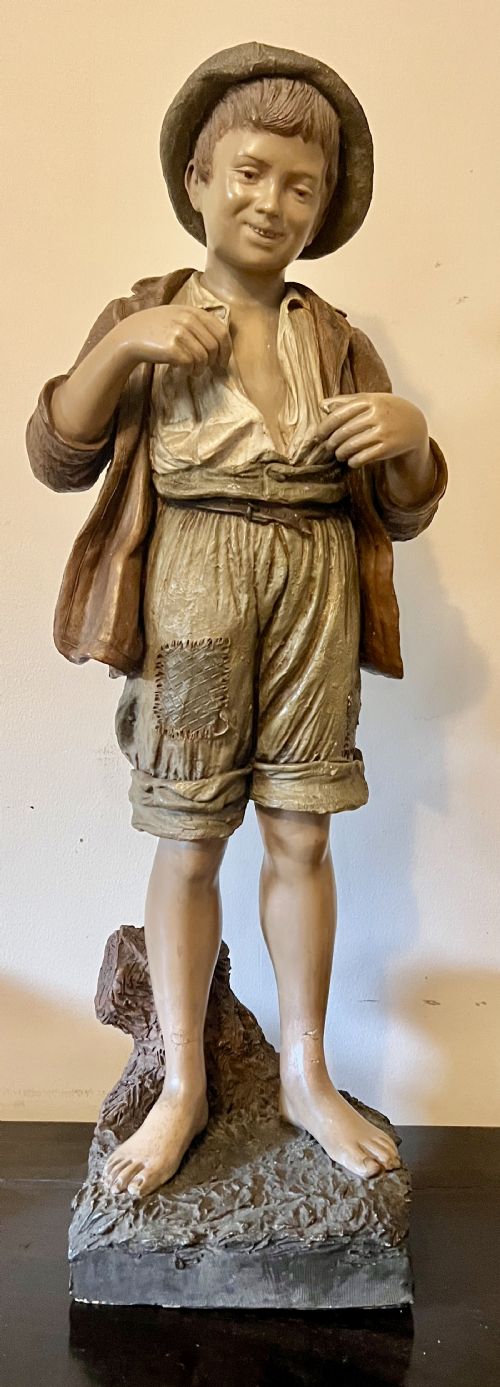
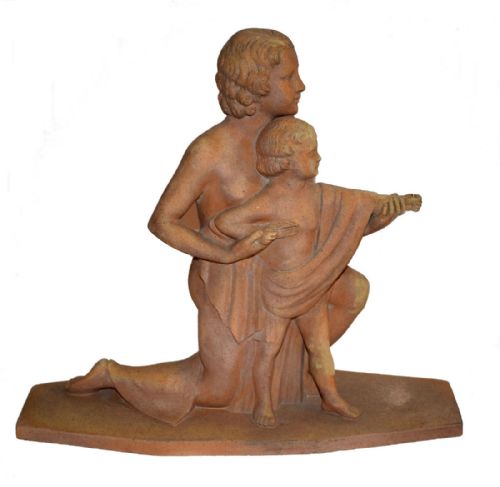
Buyers encounter substantial terracotta figures of young boys alongside delicate miniature poodles and mythological studies like Spinario. These sculptures utilise materials including glazed ceramic, terracotta, and marble bases to achieve their finished presence.
Origin points vary across European workshops, taking in French Art Nouveau female studies and Italian cockerels alongside robust British spaniel groups. Each piece reflects the sculptural tastes of its decade, moving from classical revivalism toward modern abstraction.
Materials and construction methods
Finer details on figures and animals often emerged through careful incision and modelling prior to the kiln stage, ensuring crisp lines on hair, fur, and drapery. Certain works incorporated applied gold leaf or stood upon fitted marble plinths to enhance their display impact.
Vintage Clay Figurine Retail Price Guide 2026
Typical asking prices for vintage clay figurine among the pieces listed under this phrase on Sellingantiques today, from the lower quarter to the upper quarter. They describe what is for sale here now, not the wider market.
The listings feature terracotta, earthenware, and glazed ceramic forms spanning from the seventeenth century through the Art Deco era.
Distinguishing quality in modelled ceramics
The sophistication of the glaze and the harmony of the overall composition separate ordinary factory output from masterworks. Signed works or those demonstrating ambitious scale and specific cultural references command greater attention.
B Rezl
The Vintage Clay Figurine Glossary
- Terracotta
- A porous fired red earthenware clay used extensively for sculptural works. It remains unglazed or finished with a thin wash to highlight modelled details.
- Bisque
- Unglazed fired white ceramic or porcelain that presents a matte, marble-like surface. It was favoured for figures because it reveals subtle modelling without surface glare.
- Staffordshire
- Pottery originating from the English region known for producing earthenware animals and figures during the nineteenth century. These cheerful mantel ornaments were moulded in quantity for domestic parlours.
- Art Deco
- A design style dominant in the nineteen-twenties and thirties characterised by sleek geometric lines and stylised forms. Sculptures from this era often embrace streamlined human shapes.
- Classical Revival
- An artistic movement drawing inspiration from the art and architecture of ancient Greece and Rome. Figures often depict mythological subjects or ancient youths.
Vintage Clay Figurine: Frequently Asked Questions
What is a vintage clay figurine?
A vintage clay figurine is a sculptural object modelled from terracotta or earthenware and fired in a kiln. These pieces range from small animal studies to substantial human figures created as decorative ornaments.
They capture the aesthetic preferences of periods spanning from the eighteenth century through the twentieth century. Each object preserves the physical touch of the modeller in dried earth.
Where were these figures made?
The pieces originate from various European ceramic centres, including traditional pottery hubs in England, France, and Italy. Regional workshops developed distinct styles, from Staffordshire canine pairs to Mediterranean terracotta studies.
Makers utilised local clays and traditional firing techniques characteristic of their specific countries and decades.
How do I care for terracotta?
Terracotta is a porous material that benefits from dry dusting with a soft brush rather than washing with water. Keeping pieces away from damp environments preserves the integrity of the clay and any surface finishes.
Stable indoor temperatures prevent expansion stresses on older earthenware bodies. Handle sculptures by their main body rather than protruding limbs or delicate extremities.
How do I date a clay figure?
Dating relies on stylistic clues, clothing details, and the specific characteristics of the clay body and glaze. Art Nouveau and Art Deco pieces carry distinct linear traits from their respective decades, while Victorian items often show specific moulding conventions.
Signatures or impressed registry marks, when present, offer direct confirmation of a maker and production era.