

Vintage Classical Portrait
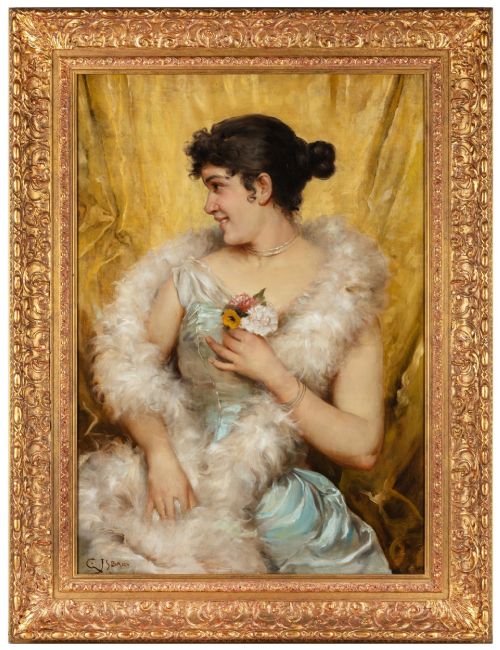
A vintage classical portrait brings the gravity and poise of historical portraiture into modern spaces through oil paintings, carved marbles, and fine prints.
Vintage Classical Portrait
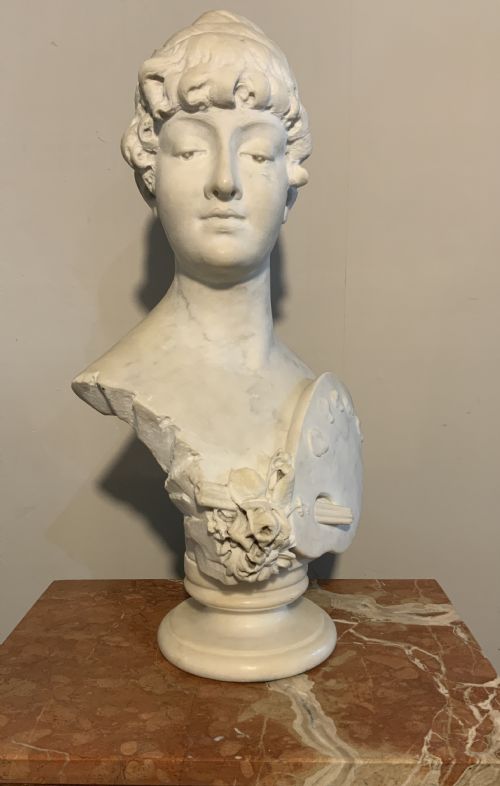
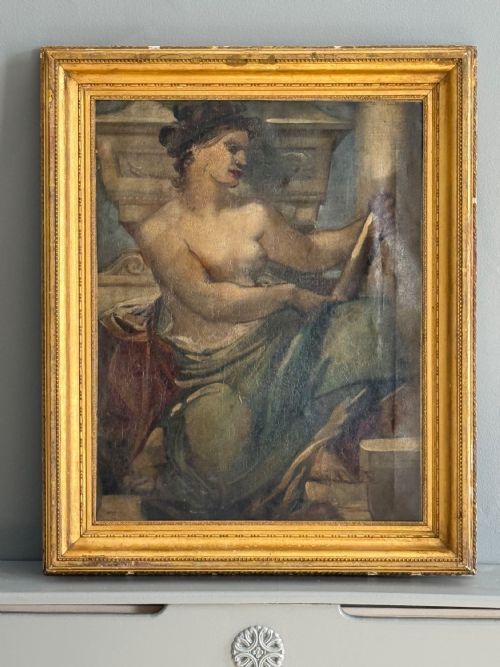
When searching for a vintage classical portrait, buyers encounter a diverse range of depictions extending from painted canvas works to carved busts and delicate cameos. The pieces found in this category bridge historical academic traditions with later interpretations spanning the eighteenth through the mid twentieth centuries.
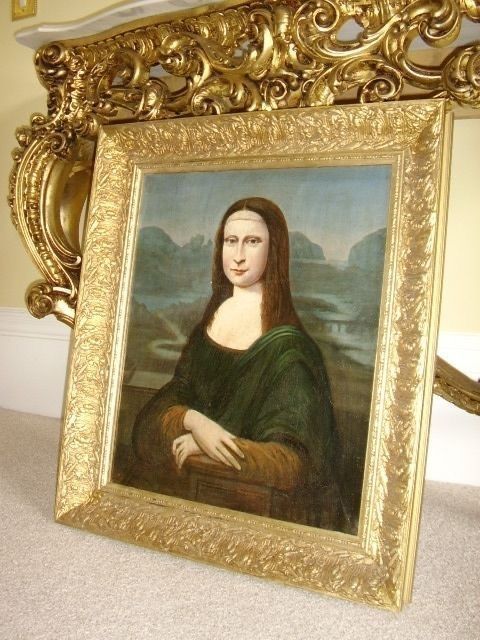
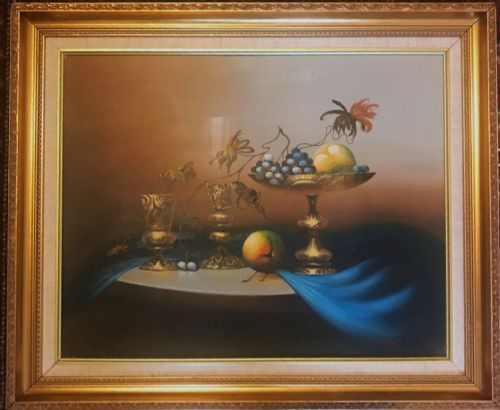
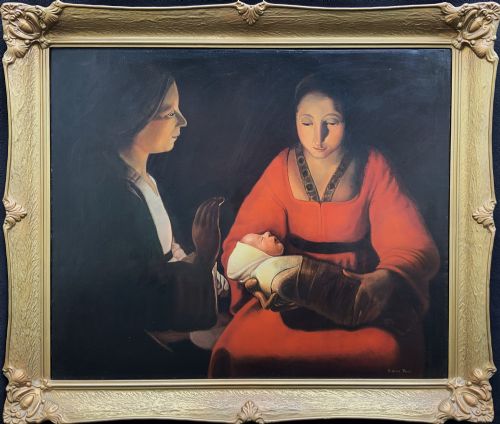
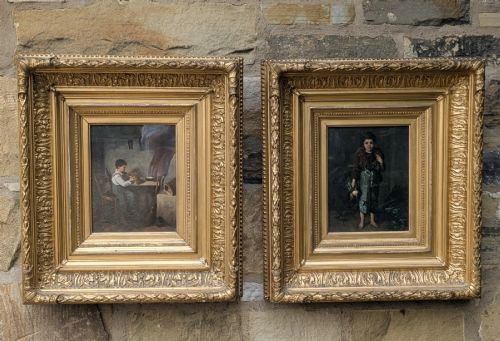
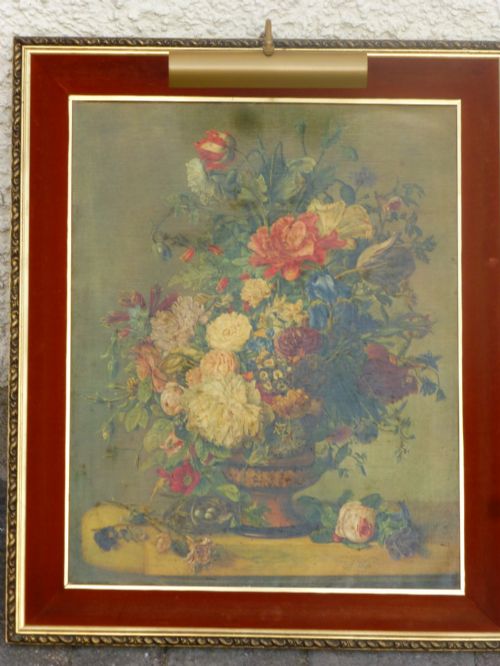
Oil paintings form a prominent part of the selection, often presenting academic or revivalist subjects rendered on canvas or board. These frequently draw upon earlier Baroque and Renaissance compositions, reflecting an enduring appetite for traditional portraiture.
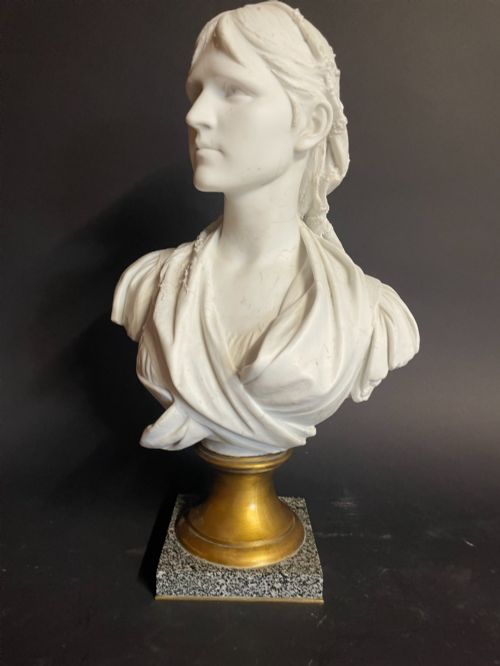
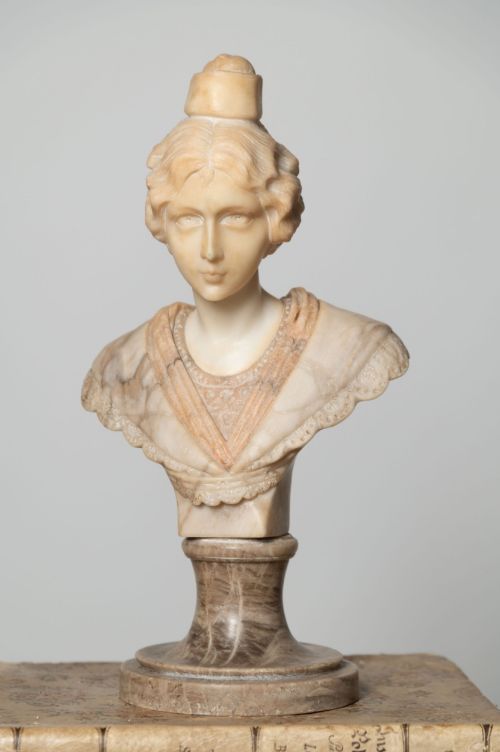
Sculptural works in marble, plaster, and bronze offer a distinct three-dimensional interpretation of the genre. Subjects range from classical figures and historical rulers to notable literary and musical personalities executed within nineteenth and early twentieth century traditions.
Materials and methods
The physical construction of these works relies on traditional materials such as oil paint applied to canvas or wood panel, alongside carved Carrara marble and cast plaster. Painters utilised layered oils and pigments to achieve depth and texture, while sculptors shaped stone and cast metals to capture form.
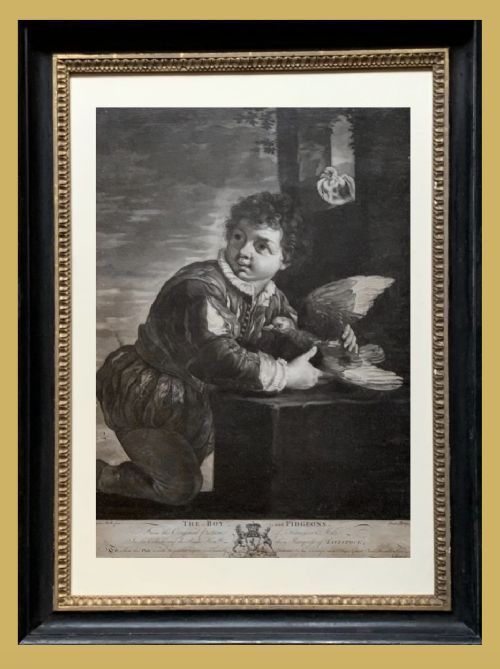
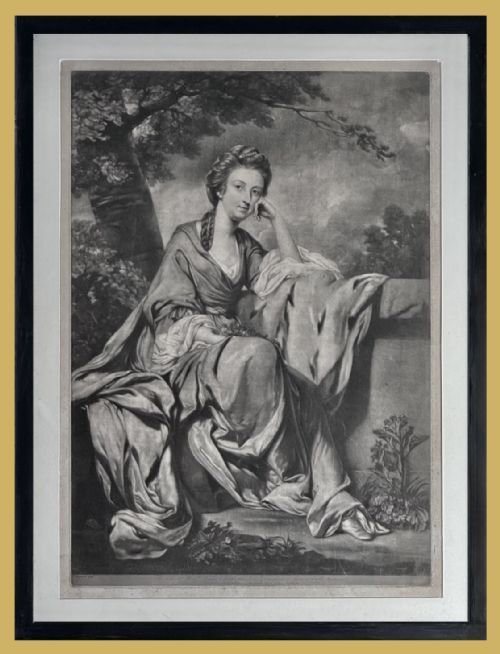
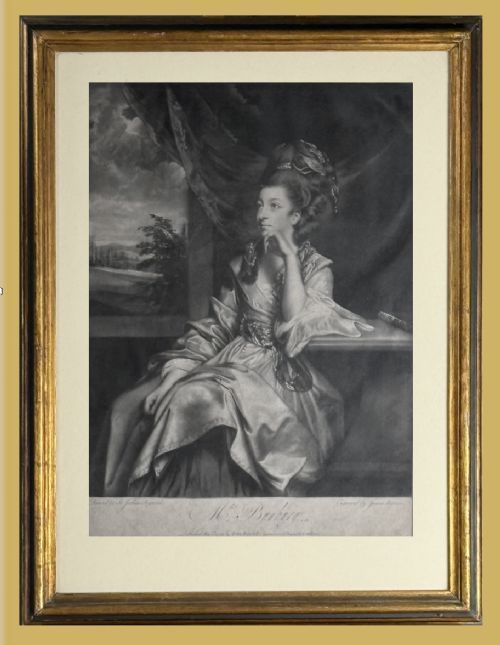
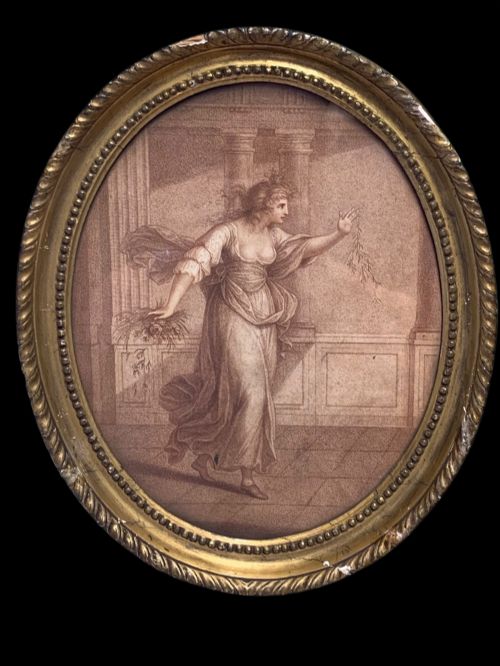
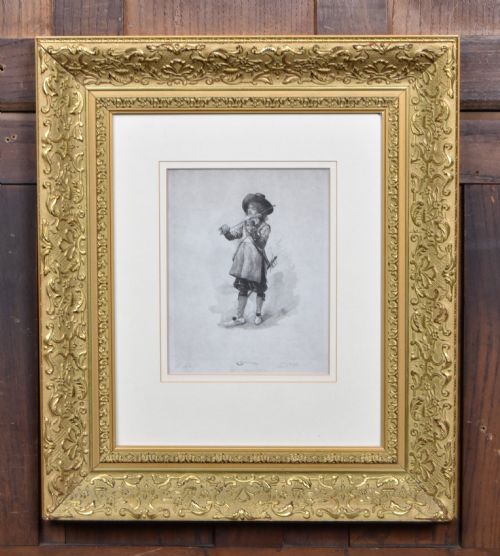
Many printed items and works on paper utilise techniques like mezzotint, stipple engraving, and photogravure to reproduce historical paintings. Framing often incorporates wood elements finished with gilt surfaces and moulded detailing like egg and dart patterns.
Listings feature oil paintings, marble and plaster busts, cameos, and historical prints spanning from the eighteenth century through the mid twentieth century.
Assessing craftsmanship
In painted works and prints, the precision of line and the subtlety of tonal gradation distinguish superior examples from simpler reproductions. The integrity of the original medium and the preservation of surface texture significantly influence the overall character of the piece.
G. J. S. Bary·John Boydell·Pier Francesco Mola·Edward Fisher·Sir Joshua Reynolds·Leonardo Da Vinci·Jozsef Molnar·Georges de La Tour·James Watson·P. Ruiz·Anton Weiss·Ludwig van Beethoven·Johannes Brahms·Herbert Gustave Schmaltz·Raffaelo Monti·Jean-Baptiste van Loo·François-André Vincent·Titian·Dante Alighieiri·David Teniers·Georges-Charles Coudray·John Watkins Chapman·Allan Douglas Davidson
The Vintage Classical Portrait Glossary
- Mezzotint
- A printmaking process of the intaglio family where the plate is roughened to produce dark tones before highlights are scraped out. This technique allows for rich, velvety dark areas and smooth tonal transitions.
- Neoclassical
- A Western cultural movement drawing inspiration from the art and culture of classical antiquity. It prioritises restraint, symmetry, and idealised human forms.
- Oleograph
- A mechanical colour lithograph produced on canvas to simulate an oil painting. Texture is often embossed onto the surface during manufacture to mimic brushstrokes.
- Stipple engraving
- An engraving method using dots rather than continuous lines to create tonal gradations and shaded effects. It was frequently employed for reproducing portraits during the eighteenth century.
Vintage Classical Portrait: Frequently Asked Questions
How do I identify a reproduction print?
Examination under magnification reveals the dot matrix of modern printing or the plate marks and ink texture of traditional printmaking techniques like mezzotint.
Paper age and framing methods also provide context for dating the piece.
Where were marble busts displayed?
Libraries, studies, and drawing rooms of nineteenth century homes frequently housed marble and plaster busts to signal classical learning and cultural refinement.
Their substantial weight suited heavy wooden mantelpieces and dedicated pedestals.
What is an after-work painting?
An after-work painting is a later artist's copy or interpretation of a well known historical composition by a master painter.
These pieces allowed collectors to own representations of famous gallery works.
How should I clean a plaster bust?
Plaster surfaces require gentle dusting with a soft dry brush to prevent moisture damage and staining.
Water and liquid cleaners dissolve the porous plaster material.