


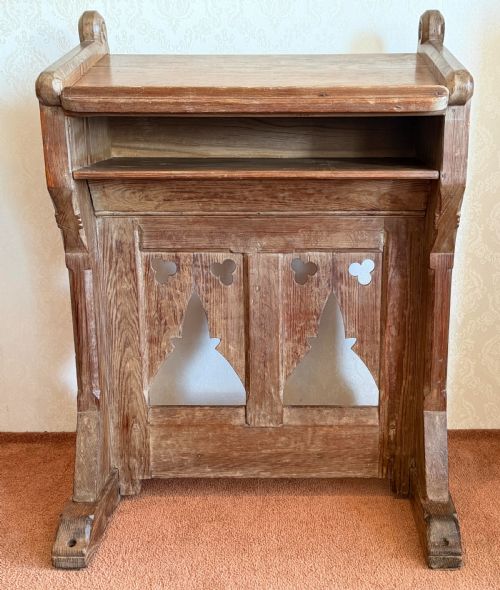


Vintage Church Desk
These vintage church desk pieces bring solid oak and brass craftsmanship straight from ecclesiastical spaces into modern rooms.
Vintage Church Desk
A vintage church desk encompasses a range of ecclesiastical items designed for reading, writing, and holding service books within sacred spaces. Buyers exploring this category encounter sturdy lecterns, reading stands, book rests, podiums, and occasional side tables or writing desks originating from the nineteenth and early twentieth centuries.
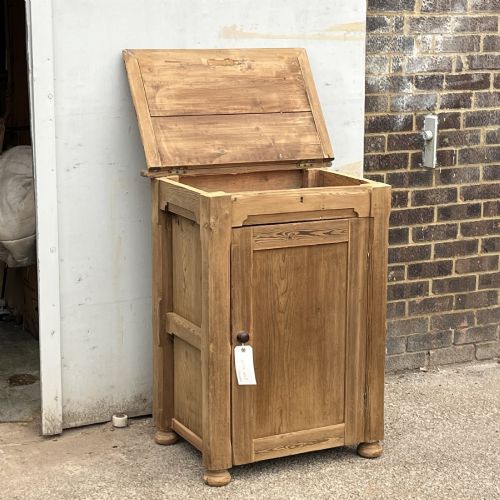
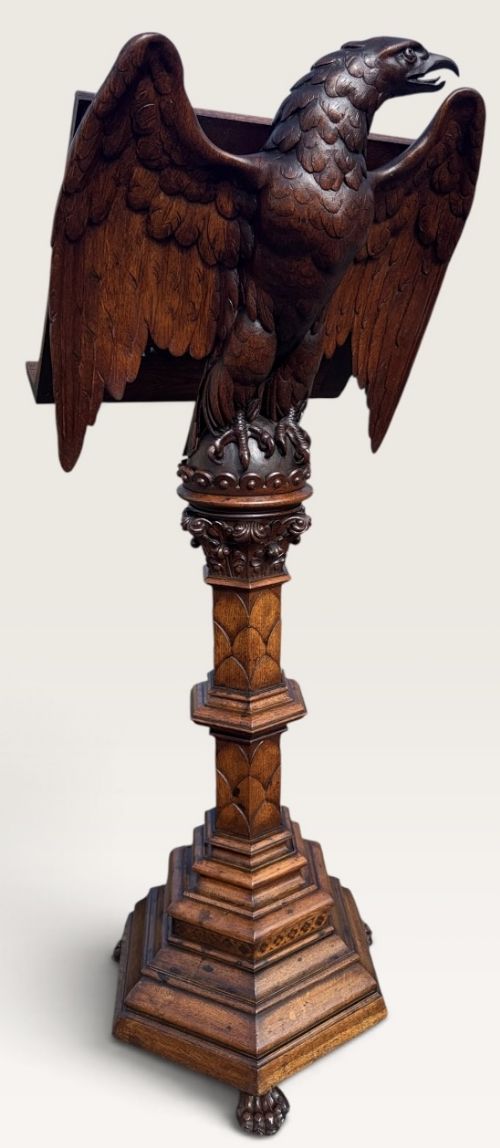
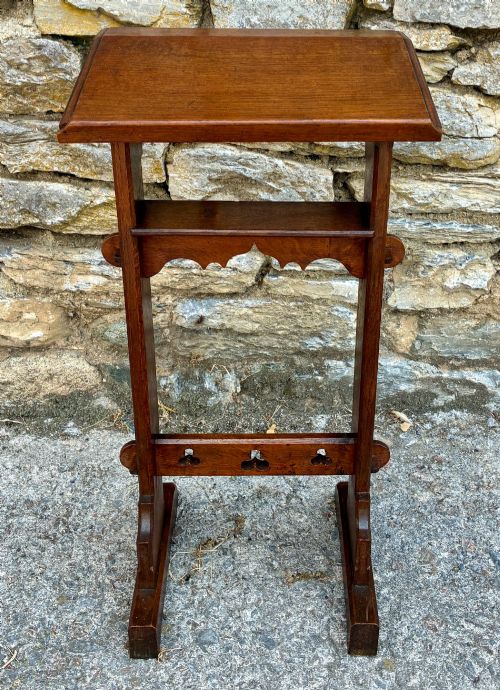
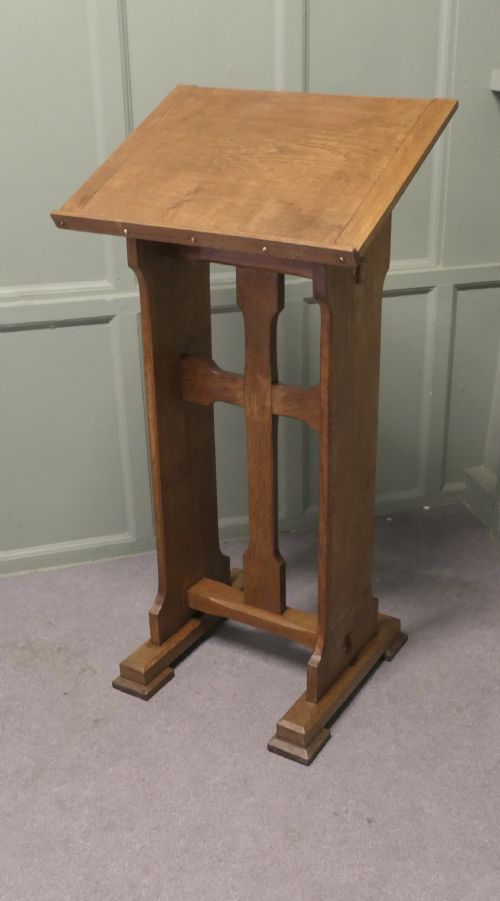
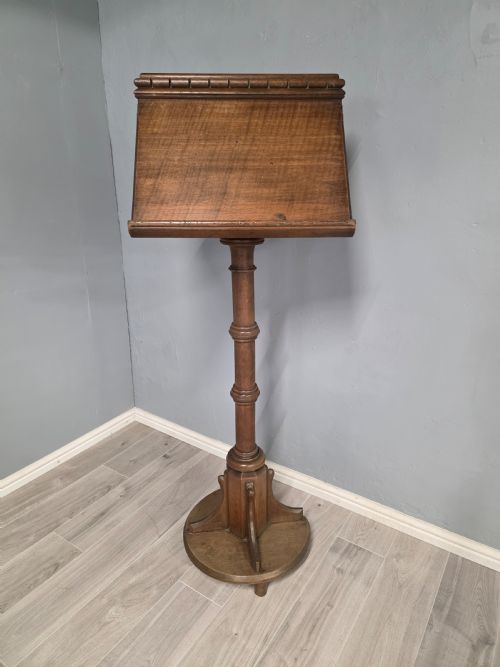
The pieces appearing most frequently take the form of oak or pine lecterns and reading stands, often displaying Gothic Revival or Arts and Crafts stylistic influences. From small cupboard lecterns to larger carved versions featuring wooden eagles or brass work, these items reflect the practical needs of chapels and churches from the Victorian era onwards.
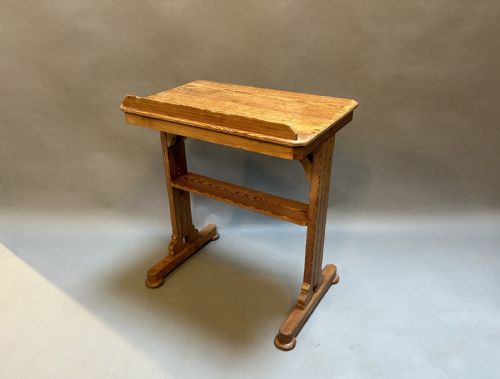
Beyond traditional standing lecterns, the selection includes related chapel furniture such as pitch pine writing tables, music stands, and modified cupboard tops. These utilitarian objects served clergy and congregations alike, offering robust construction geared towards daily reading and administration.
How they were made
Makers relied primarily on dense timbers such as oak, pine, and pitch pine to build these ecclesiastical furnishings. This wood was frequently carved by hand, particularly on display pieces featuring decorative motifs and sculptural elements like eagles.
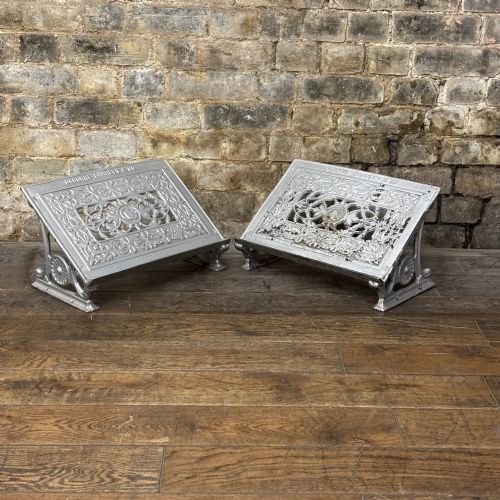
Metal components played a structural and decorative role, incorporating cast iron, brass, and silver plating into hinges, book rests, and associated lighting fixtures. These durable materials ensured the furniture withstood regular handling in busy chapel environments.
Vintage Church Desk Retail Price Guide 2026
Typical asking prices for vintage church desk among the pieces listed under this phrase on Sellingantiques today, from the lower quarter to the upper quarter. They describe what is for sale here now, not the wider market.
Carved wooden eagles stand ready to support weighty service books across the centuries.
What varies in quality
Quality separates simple utility furniture from elaborate liturgical furnishings through the depth of hand-carved detail and the selection of timber. Pieces featuring intricate Gothic Revival carving or sculptural elements display a higher level of workshop skill than plain pine items.
The integration of secondary materials such as cast iron brackets, brass work, or fitted cupboards alters the complexity and character of each piece. Superior examples combine robust joinery with well-preserved decorative metalwork from the Victorian and Edwardian periods.
Osborne Garrett & Co
The Vintage Church Desk Glossary
- Lectern
- A tall stand with a sloping book rest used to hold a Bible or service book for reading aloud. These often feature carved wooden eagles or adjustable brass work.
- Gothic Revival
- An architectural and decorative style popular during the Victorian period characterised by pointed arches, trefoils, and heavy carved woodwork. This aesthetic heavily influences ecclesiastical furniture.
- Arts and Crafts
- A design movement valuing handcraftsmanship, simple forms, and traditional materials over mass production. Golden oak podiums and reception desks often reflect this ethos.
- Pitch Pine
- A durable resinous softwood frequently utilised for nineteenth century ecclesiastical tables and writing desks. It provides a sturdy surface with distinct grain patterns.
Vintage Church Desk: Frequently Asked Questions
What is a vintage church desk used for?
These items were originally built to hold service books, support readers, and provide writing space for clergy within chapels and churches. Today, buyers repurpose them as reception greeter desks, reading stands, or distinctive writing tables in domestic settings.
Their sturdy construction and sloping surfaces make them practical for modern uses that require a raised platform for books, laptops, or notes.
How do I identify a Victorian piece?
Victorian examples often display heavy oak construction, dark finishes, and distinct architectural motifs associated with the Gothic Revival style. Look for hand-carved ornamentation and robust joinery typical of nineteenth century workshops.
Pieces from this era frequently include functional brass work or cast iron components that reflect the industrial techniques of the period alongside traditional woodworking.
What woods are commonly found?
Oak is the predominant timber seen in these ecclesiastical furnishings, ranging from standard oak to golden varieties and pitch pine. Pine also appears frequently, particularly in simpler tables and utility lecterns.
These woods were chosen for their strength and ability to endure heavy daily use in busy chapel environments over many decades.
Are these items modified?
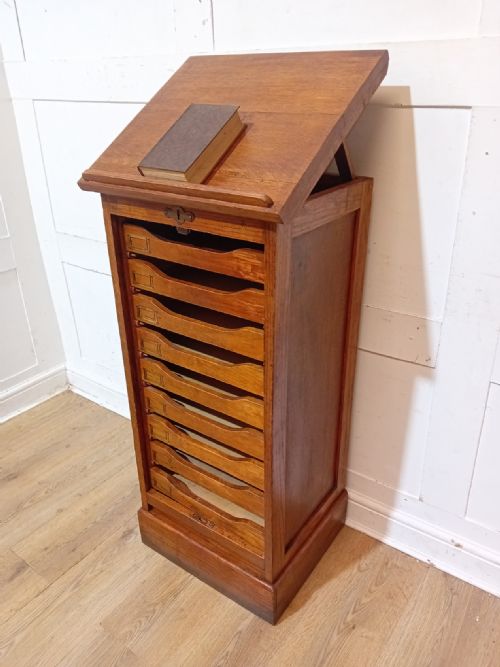
Certain pieces show alterations from their original ecclesiastical purpose, such as lecterns converted into cupboard units or adapted for modern reception spaces. These modifications reflect how functional church furniture found new life in secular environments over time.
Examining the construction reveals where adjustments were made to suit changing domestic or commercial requirements while retaining the original timber framework.