



Vintage Chronometer
A vintage chronometer is a precision timekeeper designed for exact navigation and daily measurement, offering reliable accuracy and enduring mechanical craft.
Vintage Chronometer
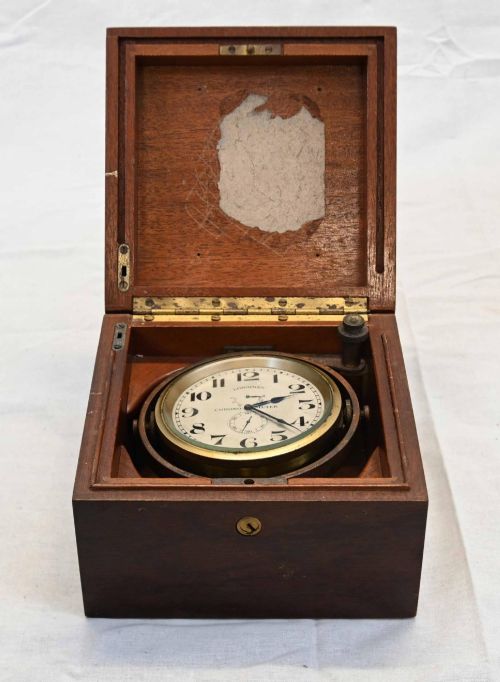
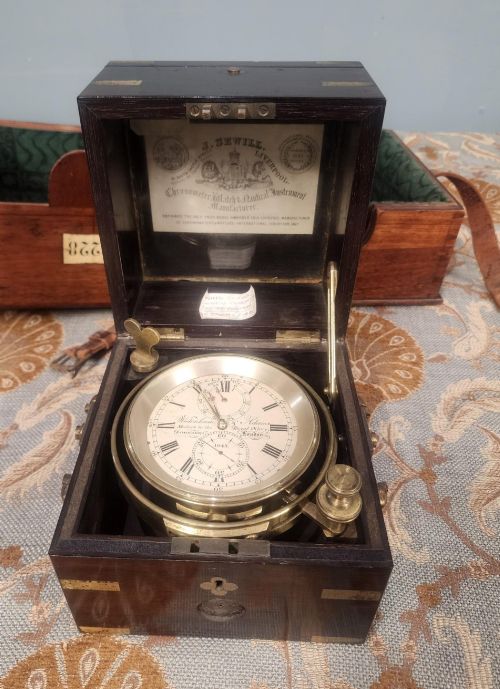
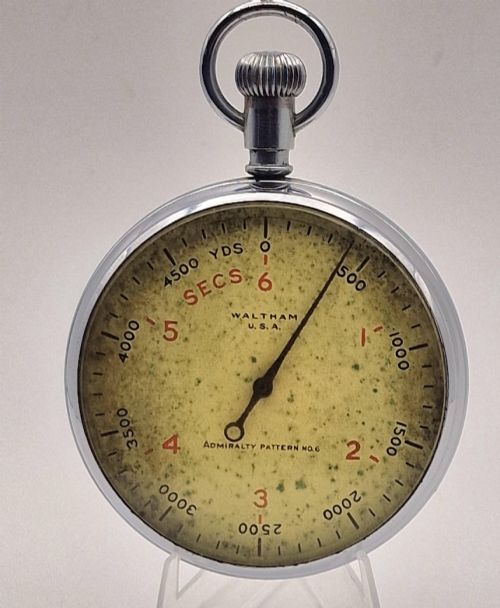
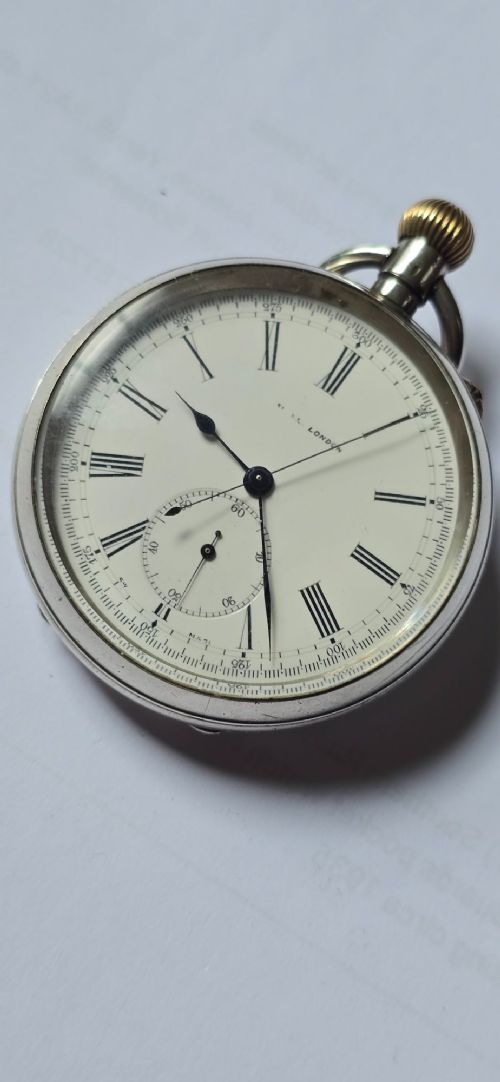
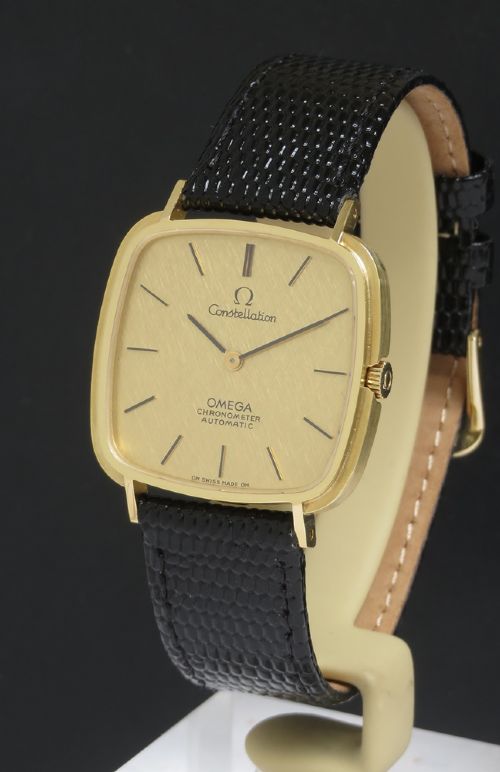
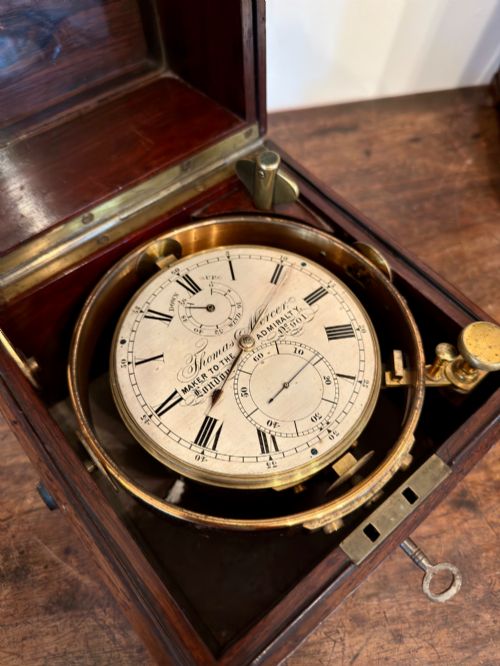
When you search for a vintage chronometer, you encounter a wide spectrum of precision timepieces ranging from marine instruments housed in mahogany boxes to wristwatches and wall clocks.
The pieces on this page span the nineteenth century up through the mid-twentieth century, including works from the Victorian, Edwardian, and mid-century modern eras.
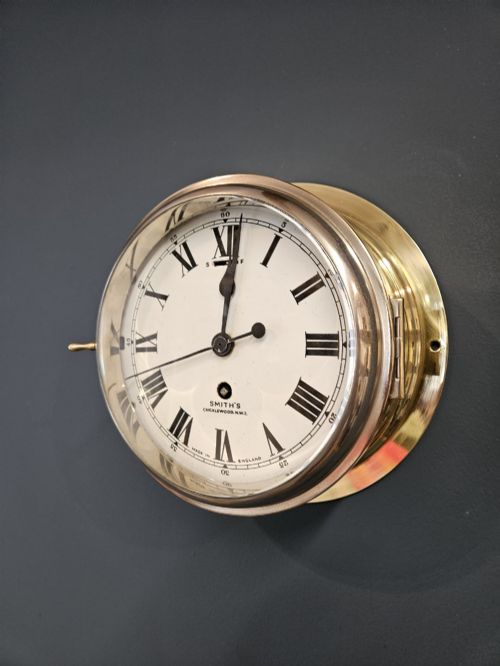
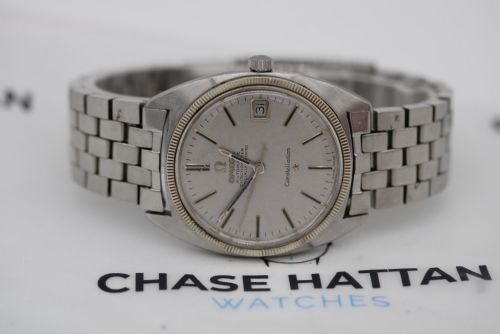
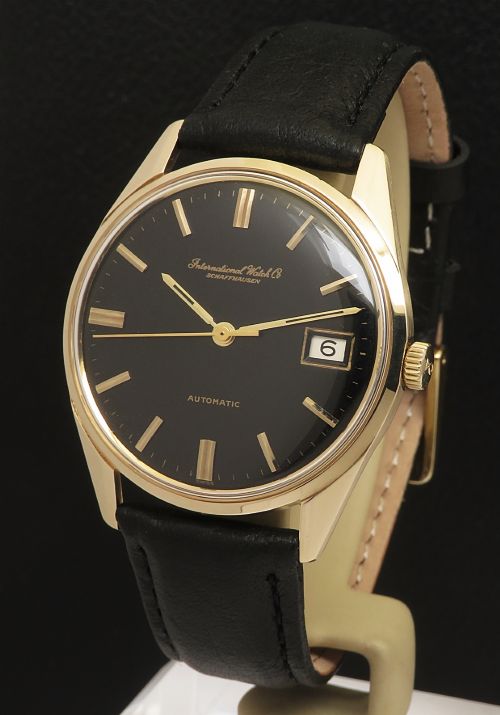
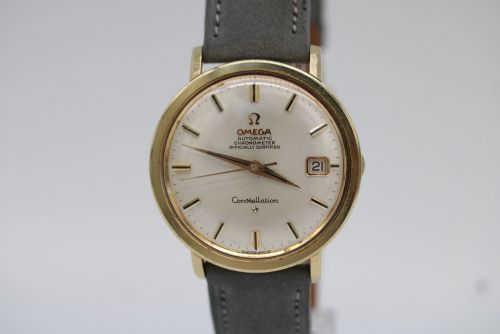
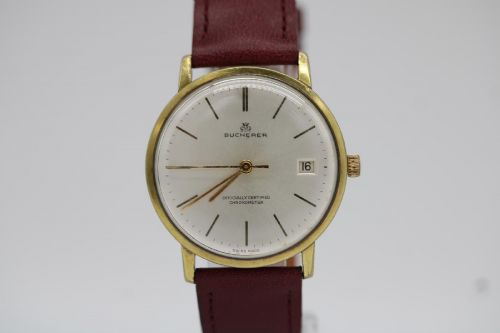
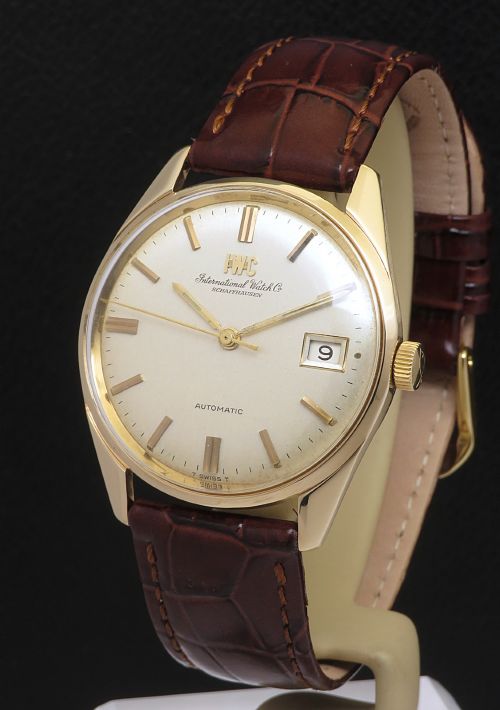
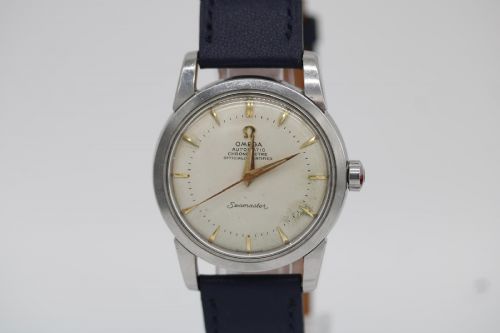
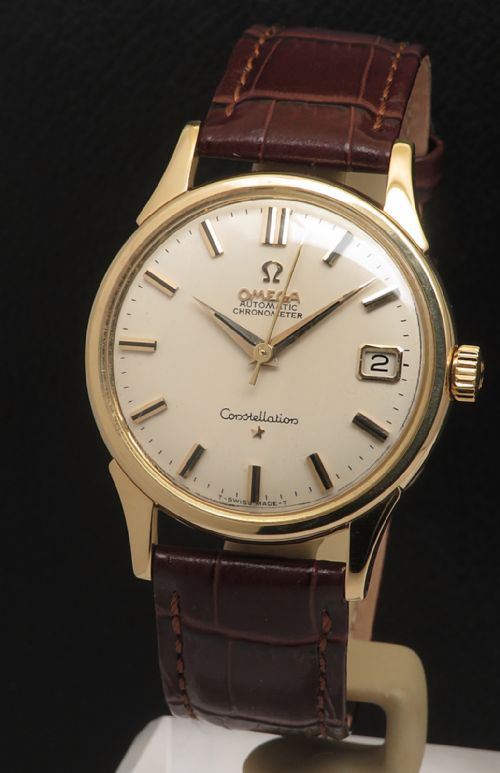
You are most likely to meet desktop marine chronometers in wooden cases alongside wristwatches from makers like Omega and IWC, plus bulkhead and deck clocks.
Materials and construction
These instruments utilise solid brass, glass, enamel, and stainless steel, frequently paired with wooden housings of mahogany or leather.
Movements incorporate delicate escapements and fusee mechanisms designed to maintain consistent force as the mainspring winds down.
Vintage Chronometer Retail Price Guide 2026
Typical asking prices for vintage chronometer among the pieces listed under this phrase on Sellingantiques today, from the lower quarter to the upper quarter. They describe what is for sale here now, not the wider market.
Listings feature 19th-century marine chronometers, Victorian fusee wall clocks, and 20th-century wristwatches in brass, mahogany, and gold.
Judging quality in timepieces
The standard of a chronometer rests on the precision of its movement and the integrity of its original components, such as enamel dials and signed brass plates.
Secondary factors include the preservation of timber cabinetry like mahogany boxes and the presence of documented makers' names.
Thomas Mercer·Mercer of London·Litherland Davies Of Liverpool·James McCabe·Kelvin White Hutton London·Omega·IWC·Rolex·Tissot·Aristo·Bucherer
The Vintage Chronometer Glossary
- Chronometer
- A precision timekeeper tested and certified to maintain high accuracy under various temperatures and conditions.
- Fusee
- A conical pulley used on older clocks and watches to equalize the diminishing power of the mainspring as it unwinds.
- Deck Watch
- A portable precision clock used by navigators on the deck of a ship to determine longitude by comparison with a marine chronometer.
- Bulkhead Clock
- A sturdy timepiece designed to be mounted directly onto the bulkhead or wall of a ship's cabin.
- Calibre
- The specific internal mechanical movement manufactured and designated by a watchmaker.
Vintage Chronometer: Frequently Asked Questions
What is a marine chronometer?
A marine chronometer is a highly accurate portable timekeeper used aboard ships to determine longitude by celestial navigation.
These instruments are typically gimbal-mounted inside mahogany boxes to keep the movement level despite the rolling of a vessel.
How do I wind a fusee clock?
A fusee clock is wound using a key inserted into the dial, which turns the barrel and winds the cord around the conical fusee pulley.
Care must be taken not to overwind the mechanism, ensuring the fusee chain or cord remains properly seated in its grooves.
What distinguishes a chronometer from a normal watch?
A chronometer undergoes rigorous testing by official bodies to prove its high precision across various positions and temperatures.
Standard watches lack this level of certified adjustment and historical testing for navigational accuracy.
How should I display a bulkhead clock?
A bulkhead clock is designed to be secured firmly to a wall using its integrated fixing holes or maritime mounting bracket.
Place it away from damp environments and direct heat sources to preserve the brass casing and enamel dial.