


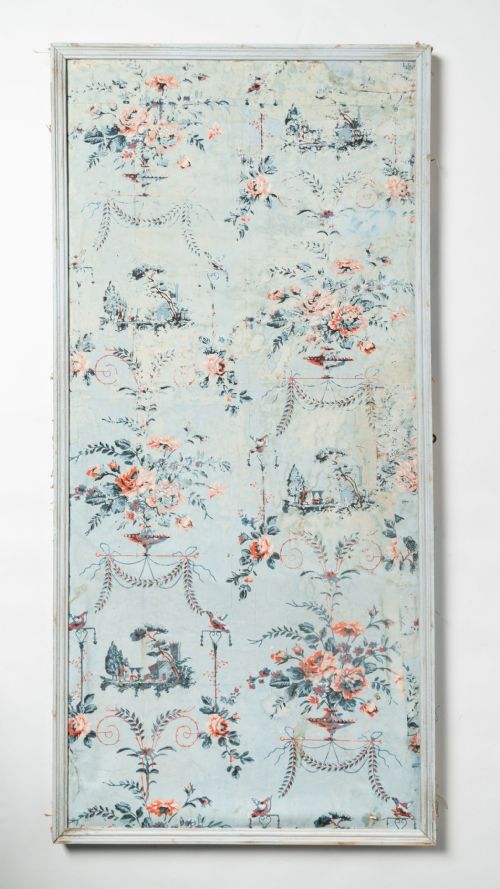


Vintage Chinoiserie Decor
These vintage chinoiserie decor pieces bring painted lacquer, rich textiles and gilded motifs into a room.
Vintage Chinoiserie Decor
When you search for vintage chinoiserie decor, you encounter a varied selection of items ranging from wall mirrors and framed art to bookends and barometers. These pieces draw upon long-standing decorative traditions inspired by East Asian art and design, reinterpreted through Western craftsmanship.
On this page, you are most likely to meet items originating from the Victorian and Edwardian eras, alongside pieces dated to the twentieth century and the eighteenth century. Forms include oval wall mirrors, embroidered textiles depicting garden birds, reverse paintings on glass, and cast iron foo dogs.
Materials span lacquered wood, silk, brass, glass and gold leaf, reflecting the diverse ways artisans applied these motifs across different object types. Each piece offers a distinct contribution to an interior scheme, whether through functional items like barometers or purely decorative wall panels.
Materials and construction methods
The construction of these items relies heavily on traditional techniques applied to wood, metal and textiles. Lacquered wood surfaces provide a smooth base for intricate painted ornamentation, while gold leaf accents add depth and contrast to the finished designs.
Textile pieces incorporate detailed silk embroidery to render subjects like garden birds and mandarin ducks with fine needlework. Cast iron and brass serve structural and decorative purposes, seen in heavy bookends and sculptural figures such as foo dogs.
Vintage Chinoiserie Decor Retail Price Guide 2026
Typical asking prices for vintage chinoiserie decor among the pieces listed under this phrase on Sellingantiques today, from the lower quarter to the upper quarter. They describe what is for sale here now, not the wider market.
Materials documented across the available pieces include silk, cast iron, glass, brass and lacquered wood.
Distinguishing quality in these pieces
Quality reveals itself in the execution of the surface decoration, particularly the precision of the painted lacquer and the delicacy of the gilding. Superior examples display confident brushwork and well-preserved detail that remain sharp across the entire panel or frame.
The choice of materials also dictates the standing of a piece, with genuine silk embroidery and substantial lacquered wood bases setting apart finer items from simpler decorative objects. Preservation of the original surface finish without heavy intervention is central to the integrity of older works.
The Vintage Chinoiserie Decor Glossary
- Chinoiserie
- A European artistic style and decorative motif inspired by Chinese and East Asian aesthetics, prevalent in furniture, textiles and fine art. It often incorporates fantastical landscapes, figures and floral patterns.
- Foo dog
- A traditional guardian lion sculpture, commonly rendered in pairs in materials like cast iron or jade marble. These figures serve as decorative bookends or architectural ornaments.
- Reverse painting on glass
- An artistic technique where the image is painted directly onto the back of a glass sheet and viewed from the front. This method creates a glossy, reflective surface finish.
- Aneroid barometer
- A meteorological instrument that measures atmospheric pressure without using liquid, housed within a decorative decorative case. These cases often feature distinctive stylistic motifs.
- Gold leaf
- Gold beaten into extremely thin sheets used for gilding surfaces on wood or metal objects. It provides a luminous finish that catches ambient light.
Vintage Chinoiserie Decor: Frequently Asked Questions
What is vintage chinoiserie decor?
Vintage chinoiserie decor encompasses decorative objects and furnishings created in European styles inspired by traditional Chinese art. These include mirrors, panels, barometers and sculptures.
Items span various periods from the eighteenth century to the mid-twentieth century, utilising materials such as lacquer, glass, silk and cast iron.
How were antique embroidered panels used?
Antique embroidered panels, featuring subjects like garden birds and mandarin ducks, were typically framed and displayed as wall art. They brought colour and texture into formal interiors.
These textiles showcase fine needlework traditions and preserved historical stitching techniques.
Where should I place a chinoiserie mirror?
A chinoiserie mirror works effectively as a focal point above a mantelpiece or on a principal wall in a reception room. Its decorative frame adds character and reflects light into the space.
Larger oval formats suit larger wall areas, while simpler framed mirrors integrate easily into varied interior schemes.
How do I care for lacquered wood?
Lacquered wood surfaces require gentle maintenance using a soft, dry cloth to remove dust without scratching the finish. Avoid exposure to direct sunlight and excessive moisture to protect the material.
Keeping these items in stable environmental conditions preserves the integrity of the lacquer and any accompanying gold leaf.
How can I tell the period of a piece?
Determining the period involves examining the construction methods, materials used, and stylistic characteristics specific to eras like the Edwardian period or the eighteenth century. Structural elements and backing materials often provide clues to age.
Comparing the decorative motifs with documented historical examples helps confirm the likely date of manufacture.