



Vintage Chinese Wall Artwork
These vintage chinese wall artwork pieces bring traditional motifs and delicate craftsmanship straight into your home, offering a glimpse into centuries of refined eastern design.
Vintage Chinese Wall Artwork
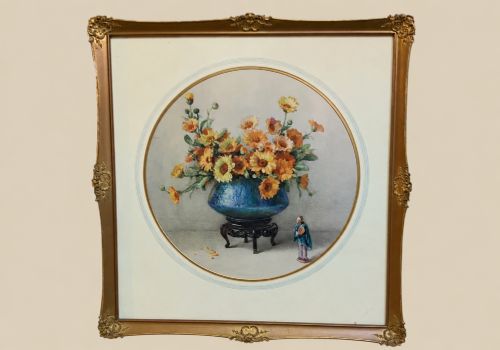
When you search for vintage chinese wall artwork, you encounter a diverse selection of traditional pieces ranging from framed silk paintings to intricate lacquered panels. The items span multiple eras, notably the nineteenth century and the mid twentieth century, featuring subjects such as garden birds, marine scenes, and floral still lifes.
The objects take various physical forms including framed scrolls, embroidered textiles, reverse paintings on glass, and decorative wall plaques. Many items reflect distinct stylistic influences like Qing dynasty aesthetics, traditional chinese artistry, and China trade maritime commissions.
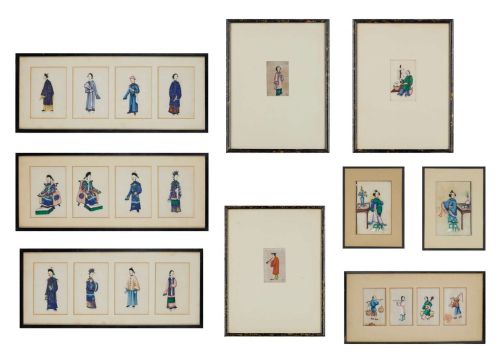
Silk, wood, paper, and glass form the primary mediums for these works, often enhanced with ink, watercolour, oil, gold leaf, and mother-of-pearl inlay. You are most likely to meet framed silk paintings, embroidered panels, and pith paintings on this page.
Materials and methods of construction
Makers utilised organic and mineral substances, applying delicate silk threads, watercolours, and traditional inks onto prepared paper, pith, or woven silk grounds. Wood serves as the primary structural support for carved and lacquered wall panels.
Artisans incorporated intricate surface treatments such as mother-of-pearl and abalone inlay, alongside gold leaf accents, to create depth and textural contrast on lacquer and wood. Reverse painting on glass required precise brushwork applied directly to the rear surface to achieve a finished composition when viewed from the front.
Needlework pieces relied on hand embroidery techniques to render detailed scenes of birds and foliage using fine threads. Oil and watercolour paints were also employed on canvas or paper for marine subjects and landscape compositions.
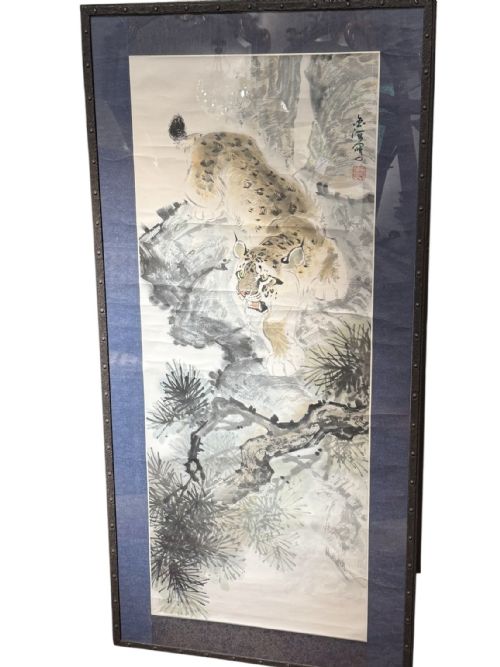
Snow leopards, sailing junks, and mandarin ducks share the wall space here, proving that historical artisans possessed a wonderfully diverse portfolio.
Factors separating standard pieces from exceptional examples
Material selection dictates the upper tier of the range, particularly the use of high-grade silk, unblemished mother-of-pearl inlay, and well-preserved lacquer surfaces without extensive losses. The clarity of reverse glass paintings and the crispness of stamped signatures also distinguish finer works from simpler decorative items.
The Vintage Chinese Wall Artwork Glossary
- Pith painting
- A delicate painting executed on the internal pith of the Tetrapanax papyrifer plant, common in nineteenth century export art.
- Reverse painting on glass
- An image painted directly onto the back of a glass panel so that the finished picture is viewed through the transparent front.
- Shan Shui
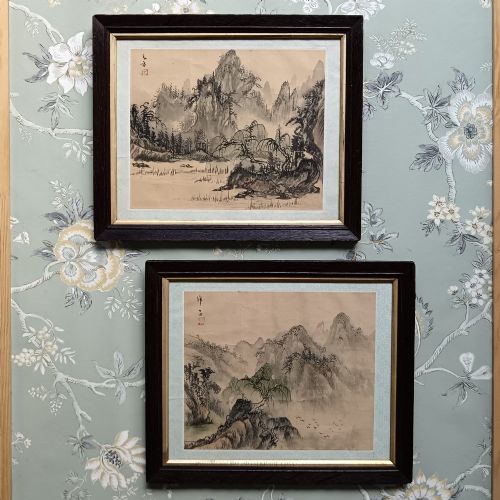
- Traditional Chinese landscape painting style featuring mountains, rivers, and natural scenery.
- Cloisonne
- Enamelling technique where thin metal strips are soldered to a base to form compartments filled with coloured paste.
- China Trade
- Goods produced in China during the eighteenth and nineteenth centuries specifically for export to Western markets.
Vintage Chinese Wall Artwork: Frequently Asked Questions
How should I hang silk paintings?
Silk paintings require careful placement away from direct sunlight to prevent the natural fibres and delicate pigments from fading over time.
Ensure they are mounted behind protective glass with conservation-grade framing to support the fragile fabric and prevent sagging.
What is a pith painting?
Pith paintings are historical works created on a spongy plant material that resembles paper, known for its soft, velvety texture which absorbs watercolour brilliantly.
These nineteenth century export pieces frequently depict daily life, figures, and botanical studies in vibrant hues.
How do I identify a Qing dynasty piece?
Qing dynasty items often exhibit traditional imperial motifs, specific reign marks, or distinct stylistic conventions associated with eighteenth and nineteenth century craftsmanship.
Examining the backing materials, framing style, and overall wear helps establish the age alongside any visible stamps or signatures.