


Vintage Chinese Statues
Vintage chinese statues span centuries of craftsmanship, offering carved hardwood, bronze, and jade figures that bring historic artistry into the home.
Vintage Chinese Statues
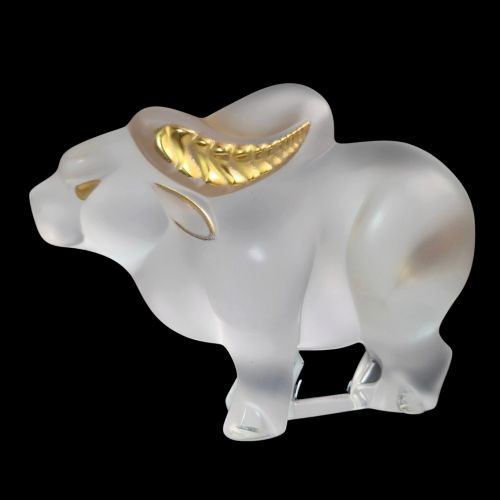
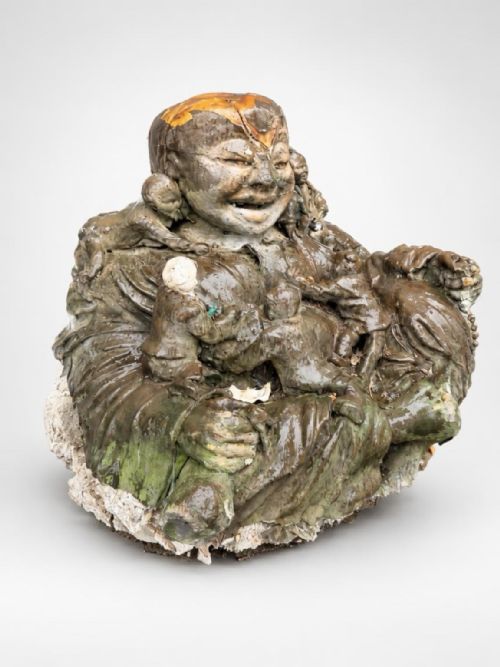
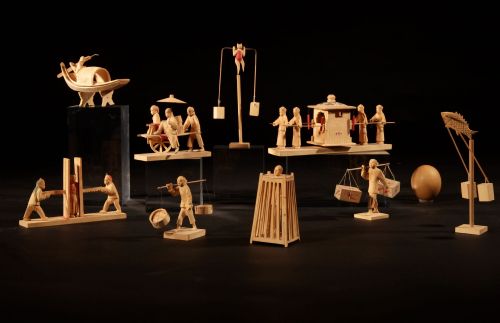
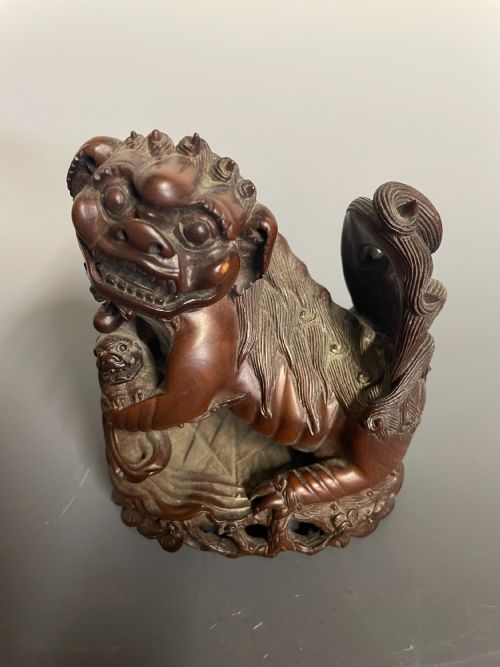
Vintage chinese statues encompass a diverse array of sculptures and figures originating from different eras, including pieces from the Qing Dynasty, the Republic Period, and the wider nineteenth and twentieth centuries. Collectors encounter various forms, such as Buddhist immortals, temple deities, animals like foo dogs and horses, and depictions of daily life.
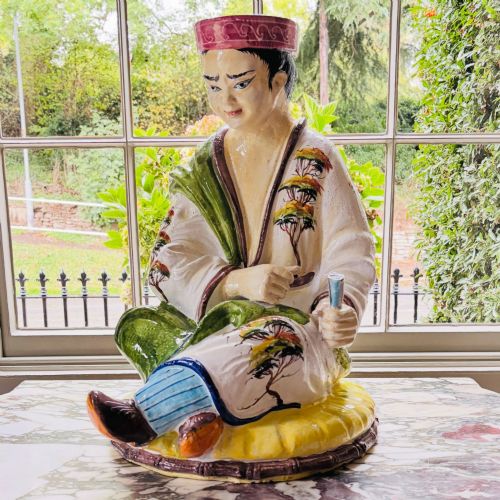
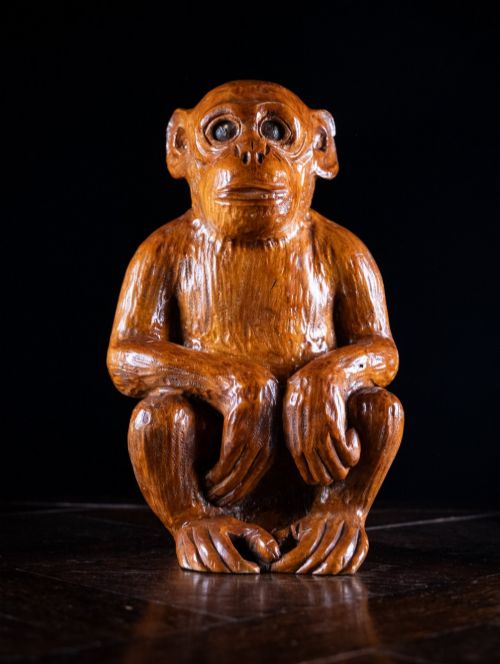
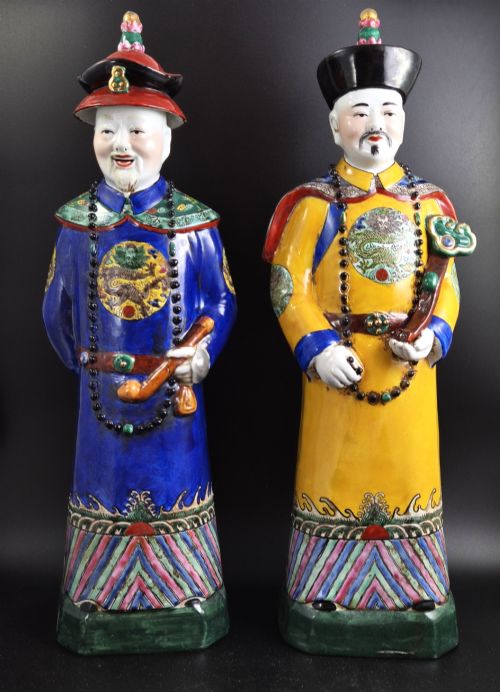
The objects on this page appear mainly as standalone carvings in hardwood or boxwood, cast bronze animals, and glazed pottery figures. Many items derive from traditional Chinese or folk art traditions, alongside European interpretations in the French Chinoiserie style.
Materials and Technique
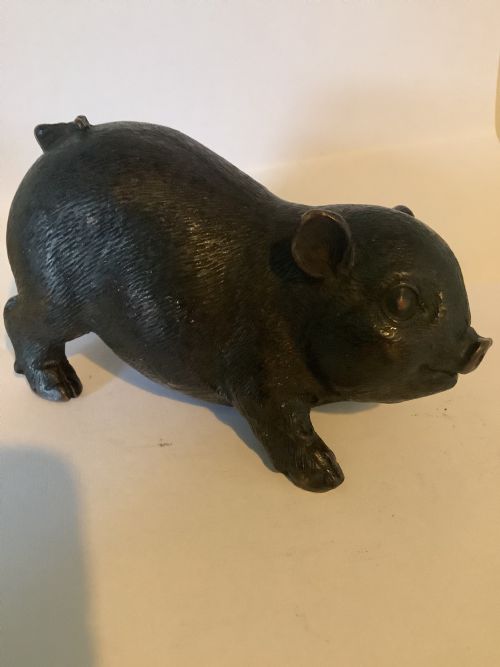
Carvers shaped dense timbers like boxwood and hardwood into intricate figures, often mounting them on custom wooden stands or incorporating mythical creatures into the composition. Metals such as bronze and brass were cast, sometimes with gilt finishes or patination, to form enduring animal and deity sculptures.
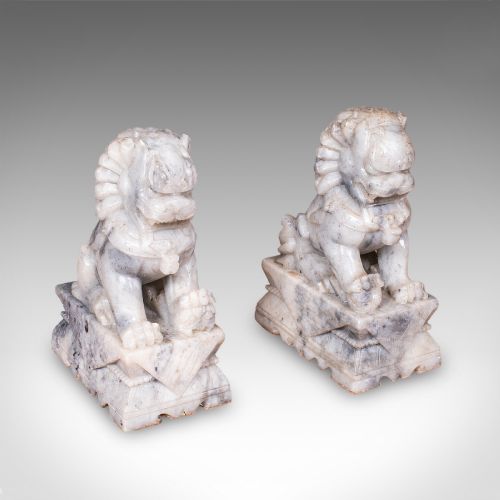
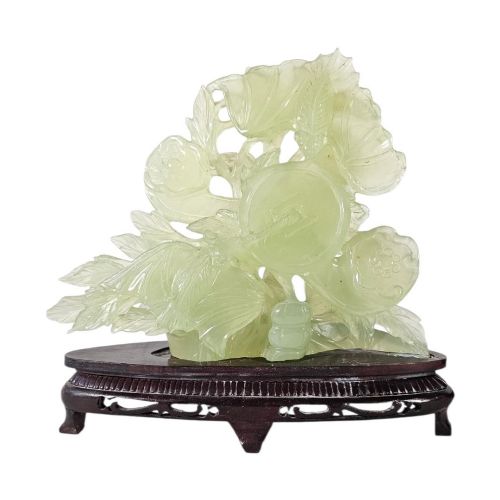
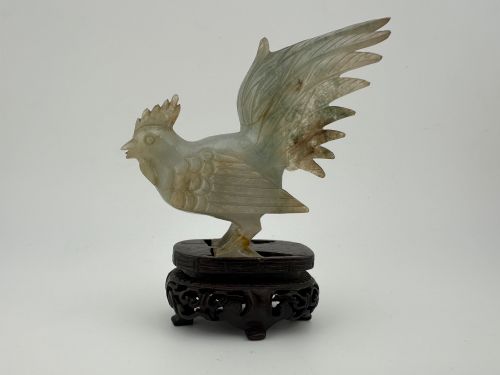
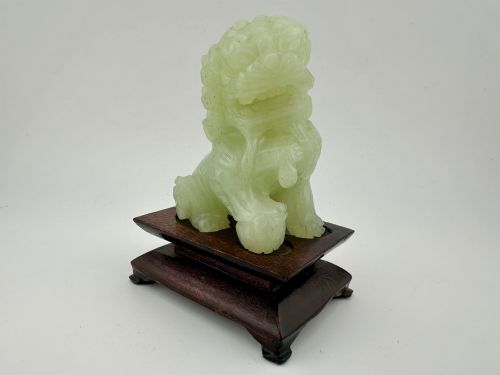
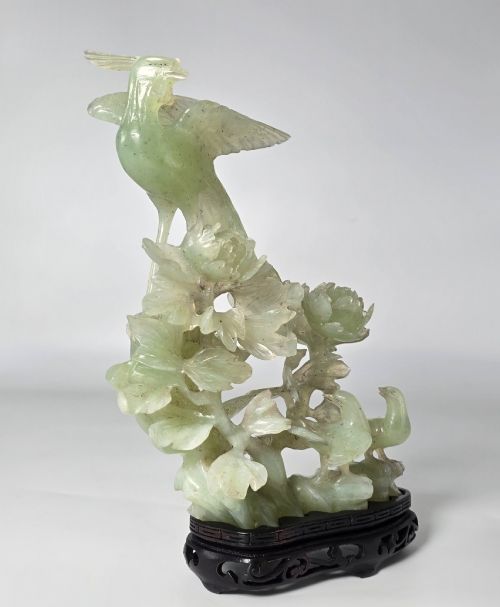
Ceramics and pottery pieces received glazes, including Sancai styles and pale green finishes, while hardstones like jade were shaped into detailed representations of cockerels and guardian lions.
Vintage Chinese Statues Retail Price Guide 2026
Typical asking prices for vintage chinese statues among the pieces listed under this phrase on Sellingantiques today, from the lower quarter to the upper quarter. They describe what is for sale here now, not the wider market.
Listings feature items spanning the nineteenth and twentieth centuries, utilising materials from boxwood and bronze to jade and Sancai glazed pottery.
Distinctions in Quality
Material selection also defines the tier of a piece, with high-grade jade, well-cast bronze, and finely grained hardwoods commanding greater attention than simpler moulded wares.
The Vintage Chinese Statues Glossary
- Foo Dog
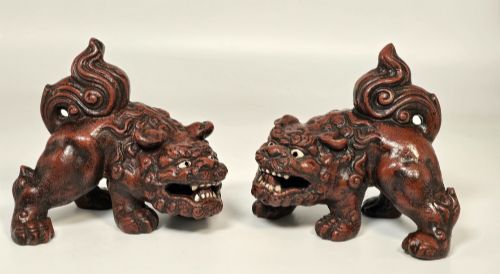
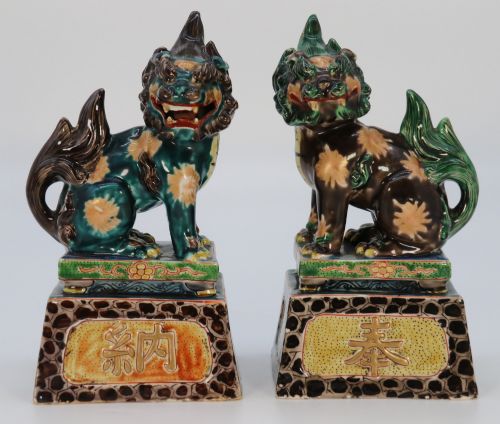
- A traditional guardian lion sculpture, often paired, placed to protect temples and homes. These mythical creatures appear frequently in bronze, pottery, and stone.
- Qing Dynasty
- The final imperial dynasty of China, lasting from the mid-seventeenth century until the early twentieth century. Pieces from this era or in this style often display formal decorative motifs.
- Sancai
- A traditional type of lead-glazed pottery using a three-colour glaze palette. This technique is closely associated with Tang Dynasty style figures.
- Hardstone
- A term for semi-precious stones such as jade and quartz that are carved into decorative objects and figures. These materials require specialised abrasive cutting techniques.
Vintage Chinese Statues: Frequently Asked Questions
How do I identify a Qing Dynasty piece?
Examination of the materials, glaze techniques, and specific stylistic markers helps connect an object to the Qing era. Comparing the piece against documented examples from the period provides further context.
Pare down uncertainty by looking at the specific type of carving work and any historical markings present on the base.
What materials were commonly used?
Artisans worked with a range of mediums, notably hardwoods, bronze, brass, pottery, and jade. Each material brought distinct properties to the resulting sculpture.
Selection often depended on the intended function of the statue, whether for temple use, scholarly display, or domestic decoration.
Where were these statues placed?
Many figures served protective or religious functions in temples and domestic shrines. Guardian lions and temple deities stood at entrances or focal points.
Smaller carvings, such as scroll weights or animal figures, functioned as scholar's desk items or interior ornaments.
How should I care for wooden carvings?
Wooden figures require stable environmental conditions away from direct sunlight and extreme humidity fluctuations. Gentle dusting with a dry, soft cloth preserves the surface finish.
Avoid applying modern cleaning chemicals or oils unless recommended by a professional conservator.