




Vintage Chinese Art
Vintage chinese art brings together textiles, carvings, and paintings spanning the nineteenth century to the mid-twentieth century for collectors seeking decorative depth.
Vintage Chinese Art
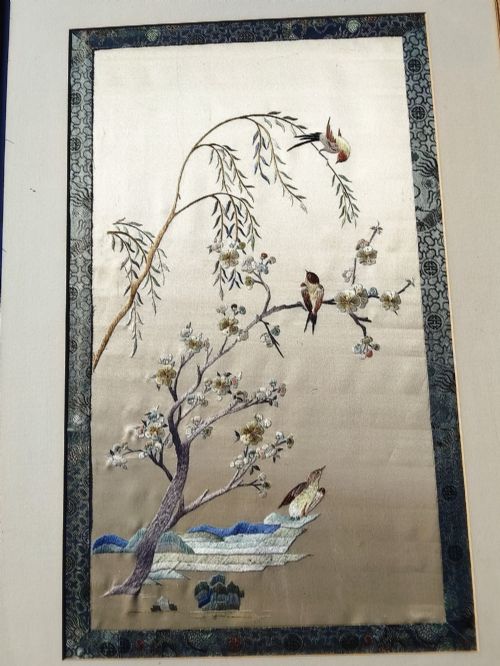
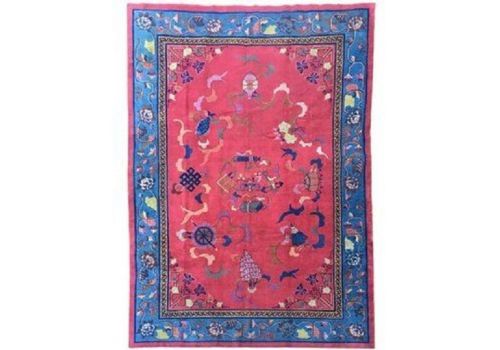
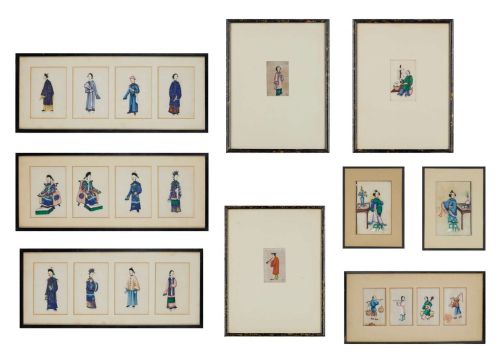
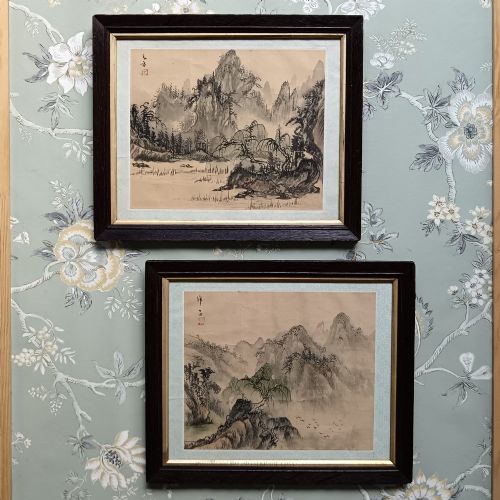
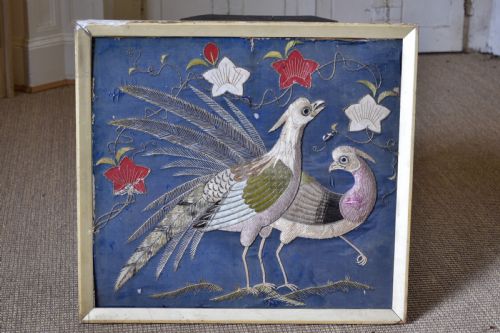
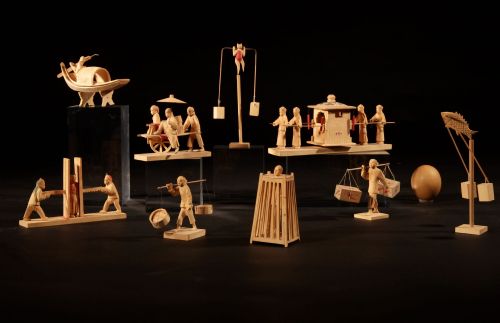
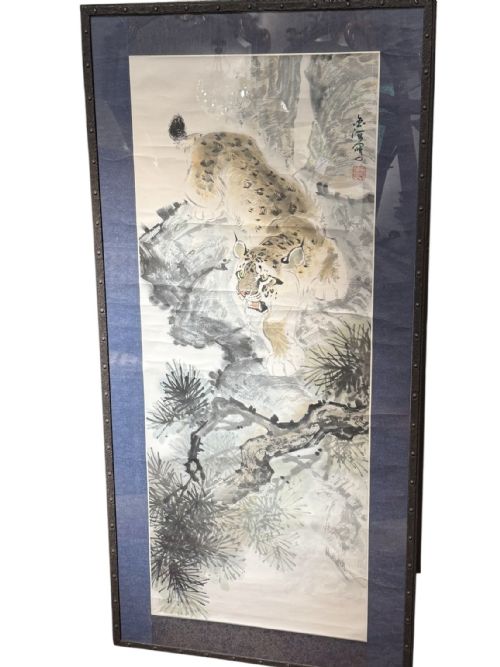
Vintage chinese art encompasses a diverse range of objects, from framed silk pictures and pith paintings to carved jade mountains and wool carpets. Buyers encounter traditional subjects such as Shan Shui landscapes, garden birds, and figural scenes executed across various periods.
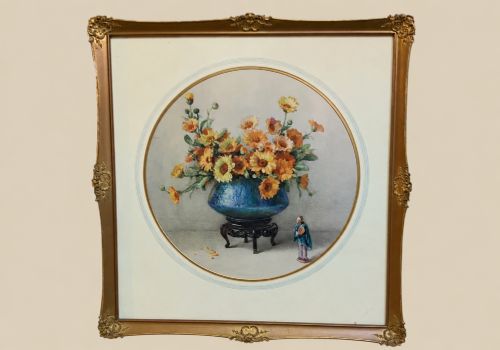
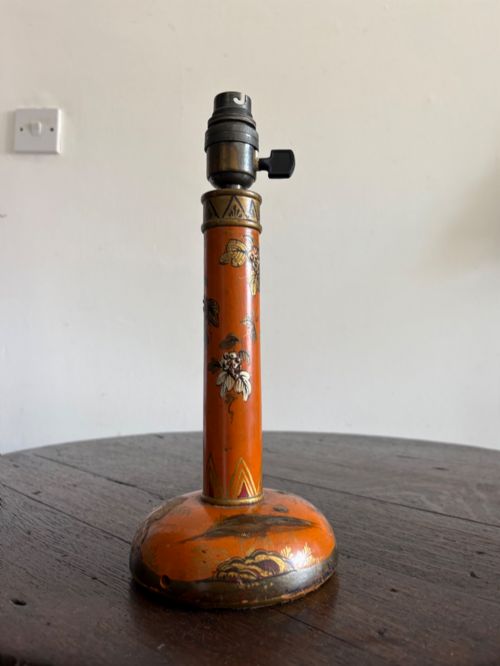
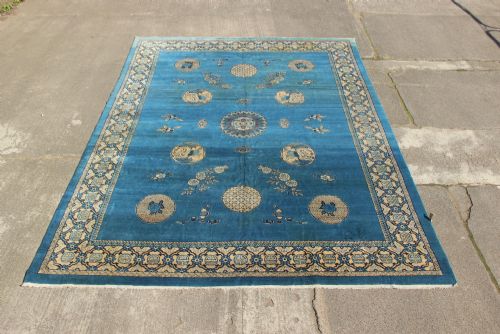
The selection ranges from nineteenth-century embroideries and lacquer panels to twentieth-century rugs, glassware, and jewellery. Pieces span styles including Qing Dynasty survivals, Art Deco carpets, and Chinese Export works.
Wall art, sculptures, and small decorative items dominate the selections found here. These items reflect both traditional craftsmanship and the intersecting design influences of the early to mid-twentieth century.
Materials and construction methods
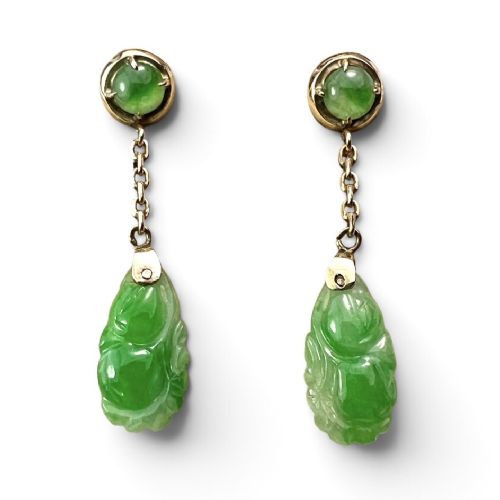
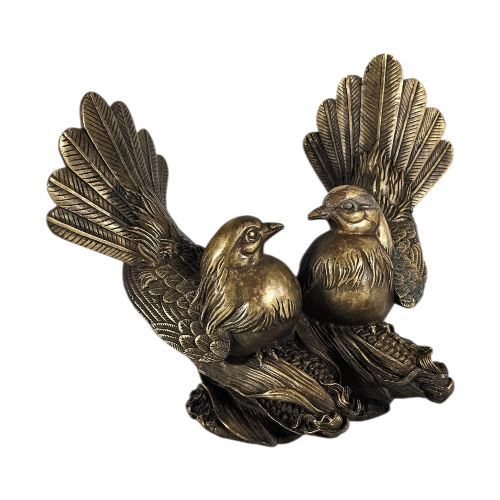
Makers utilised organic materials such as silk, paper, wool, cotton, and various woods, often combining them with ink, gouache, and watercolour pigments. Carved pieces rely on hardstones like jade and jadeite, alongside bone, bronze, and root wood.
Techniques range from intricate needlework embroideries and reverse glass painting to detailed wood and root carving. Lacquered items incorporate mother-of-pearl and abalone inlay, while metalwork utilises silver filigree, enamel, and gold settings.
Vintage Chinese Art Retail Price Guide 2026
Typical asking prices for vintage chinese art among the pieces listed under this phrase on Sellingantiques today, from the lower quarter to the upper quarter. They describe what is for sale here now, not the wider market.
A carved Mongolian pack horse stands ready to carry supplies across the steppes, cast in miniature for a desk.
Distinctions in execution and material
Quality in these works rests on the precision of the carving, the finesse of the brushwork, and the preservation of delicate materials like silk and paper. Superior items demonstrate controlled line work in watercolours and deep, undercut relief in wood or jade sculptures.
The integrity of secondary elements, such as original hardwood stands for jade landscapes or the tightness of knotting in wool carpets, separates standard decorative pieces from finer examples. Age-related wear on lacquer and textiles influences the visual impact without necessarily diminishing historical interest.
Cartier Paris·Daisy Makeig-Jones Wedgwood
The Vintage Chinese Art Glossary
- Shan Shui
- Traditional Chinese painting style representing scenery or natural landscapes using a brush and ink. These works typically focus on mountains, rivers, and waterfalls.
- Pith painting
- Watercolour painted on the spongy interior pith of the tetrapanax papyrifer plant. These delicate works were frequently produced for export during the nineteenth century.
- Cinnabar lacquer
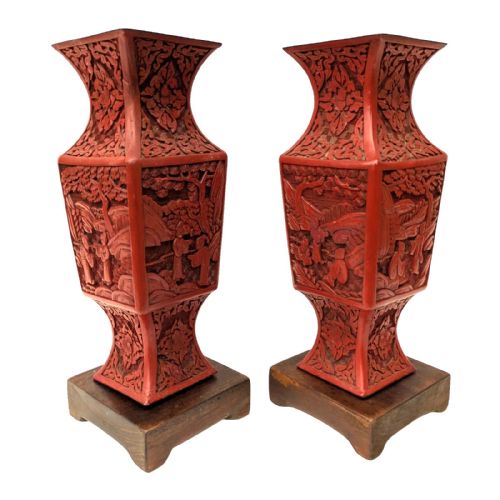
- Decorative coating applied in numerous layers and carved while soft. The technique produces deep relief designs in a characteristic red pigment.
- Silver filigree
- Ornamental work consisting of fine silver wire twisted into openwork patterns. This technique often pairs with enamel in small decorative objects and brooches.
- Pao Tao
- A style of traditional Chinese carpet characterised by pictorial designs and heavy wool pile. These rugs often display symbolic motifs relating to longevity and status.
Vintage Chinese Art: Frequently Asked Questions
How do I date silk paintings?
Dating silk paintings relies on examining the mounting style, pigment composition, and any accompanying calligraphy or seals. Comparing the subject matter to established nineteenth and twentieth-century painting conventions also helps establish the period.
Fading and oxidation of the silk fibres provide further clues regarding age. Original frames and backing papers often retain clues about the exact decade of creation.
Where were carved jade pieces displayed?
Carved jade mountains and miniature sculptures typically rested on dedicated hardwood stands inside scholar's studios or reception rooms. These objects served as focal points for contemplation and conversation among literati.
Smaller items like jade fish or rings were kept close or worn as personal adornments. Their placement reflected traditional appreciation for auspicious symbols.
What is Chinese Export art?
Chinese Export art refers to goods manufactured in China specifically for Western markets from the seventeenth to the twentieth century. These items blend traditional Chinese materials and techniques with European tastes and functional requirements.
Examples include wall hangings, paintings, and decorative objects tailored to foreign interiors. The aesthetic bridges Eastern craftsmanship with Western decorative styles.
How should I care for antique carpets?
Antique wool carpets require gentle vacuuming without a beater brush to protect the pile and structure. Keeping them out of direct sunlight prevents the fading of natural dyes.
Periodic professional cleaning ensures wool fibres remain supple. Placing carpets in areas with stable humidity levels prevents the degradation of organic materials.