






Vintage Chinese Accent Lamps
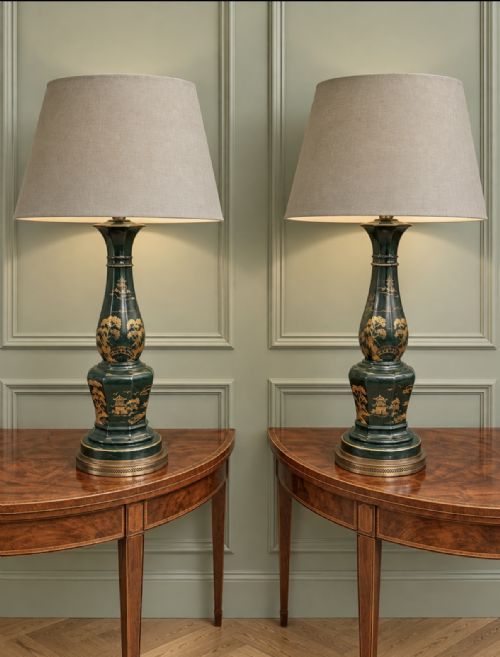
These vintage chinese accent lamps bring distinctive colour, texture and hand-painted artistry to a room.
Vintage Chinese Accent Lamps
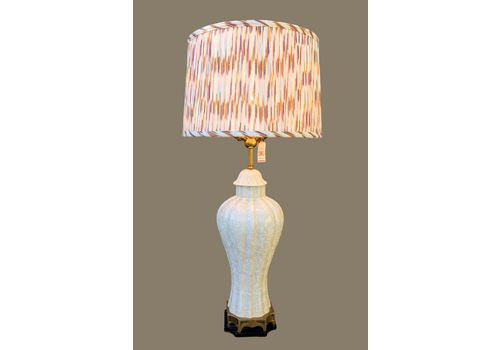
When you search for vintage chinese accent lamps, you encounter table lighting fashioned from painted porcelain, carved wood, and converted vases dating from the nineteenth century up to nineteen-thirty. The selection includes paired porcelain elephants, flambe vases, and lacquered bases reflecting traditional oriental motifs.
Most pieces date across a span from nineteen-hundred to nineteen-thirty, alongside nineteenth-century examples. Buyers find both individual statement lamps and matched pairs finished with fabric or silk shades.
Materials and construction
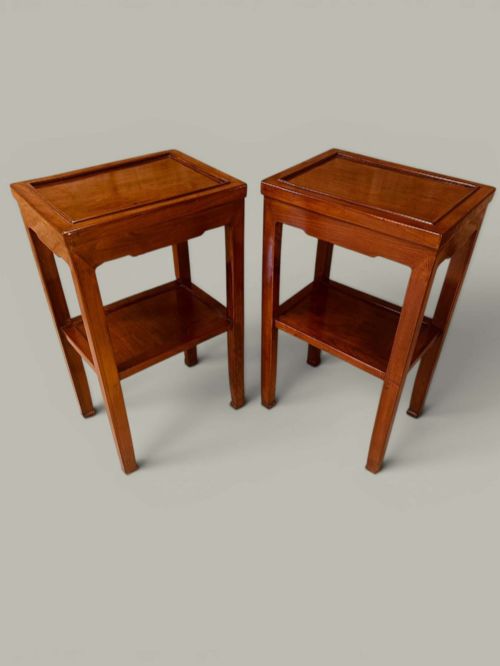
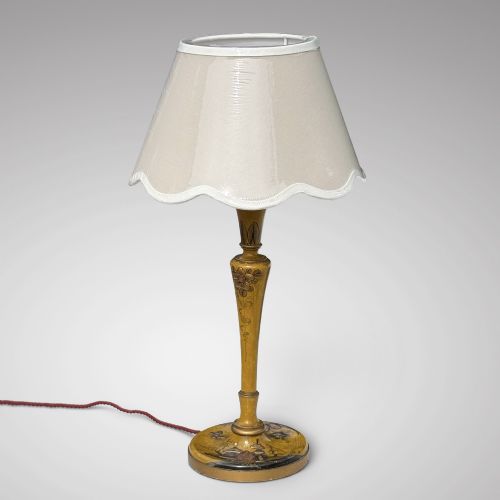
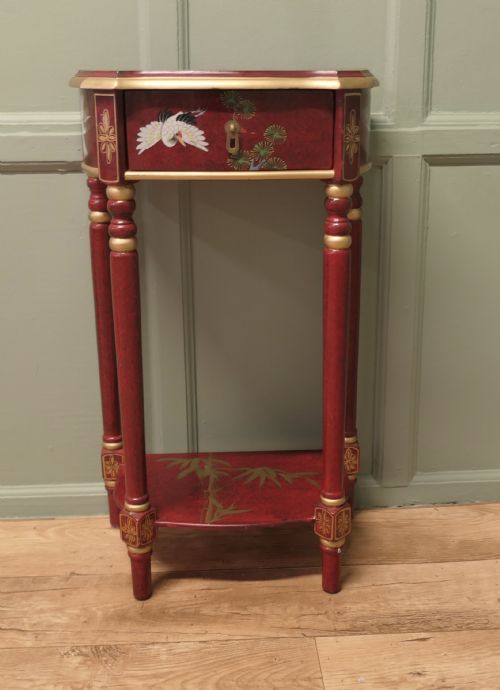
The construction relies on traditional timber selection, notably rosewood, hardwood, and carved root wood, alongside cast bronze and brass components. Lacquer finishes in red, ochre, and mandarin orange provide the distinctive surface coating seen on lamps and tables.
Porcelain and cloisonné elements form the bodies of many lamps, frequently adapted from earlier vases or moulded into figural subjects like elephants. Hand-painted details and intricate carving define the decorative execution across both timber and ceramic surfaces.
Vintage Chinese Accent Lamps Retail Price Guide 2026
Typical asking prices for vintage chinese accent lamps among the pieces listed under this phrase on Sellingantiques today, from the lower quarter to the upper quarter. They describe what is for sale here now, not the wider market.
The documented periods span the nineteenth century through nineteen-thirty.
Judging the work
Quality reveals itself in the crispness of the hand-painted details on the lacquer and porcelain, where finer pieces display precise brushwork and rich colour depth. The integration of electrical fittings into older vases or urns without damaging the original ceramic body also distinguishes superior conversions.
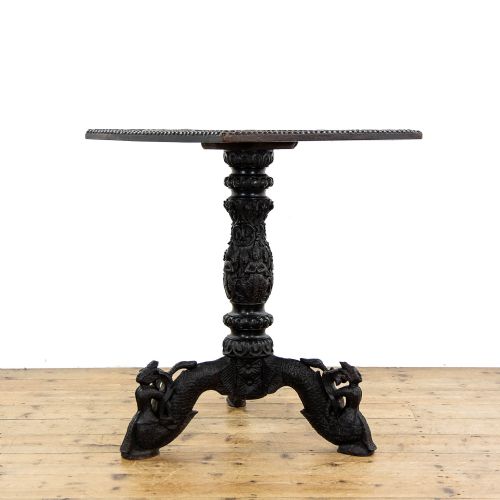
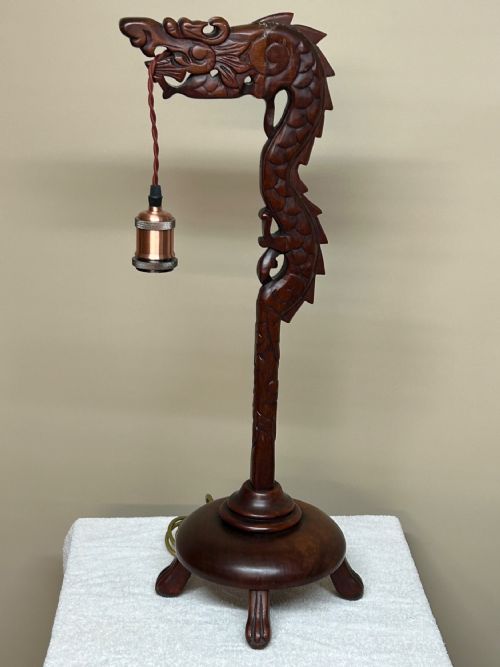
In wooden furniture and lamp bases, the depth and sharpness of the hand-carving in rosewood or root wood mark the tier of craftsmanship. Matched pairs matching in scale, glaze, and timber grain command stronger presence than assembled pairs.
The Vintage Chinese Accent Lamps Glossary
- Chinoiserie
- European decorative style reflecting Chinese artistic influences, prominent in lacquered furniture and lamp bases. It often employs motifs of figures, landscapes, and floral patterns.
- Cloisonné
- Enamelwork technique where thin metal wires form compartments on a metallic base before firing. These pieces often feature vibrant colour patterns and are occasionally converted into lamps.
- Flambe
- Rich, streaked ceramic glaze exhibiting variegated colour effects, typically deep reds and blues. Vases with this finish are frequently adapted into table lamps.
- Rosewood
- Dense, heavy tropical timber prized for its dark grain and polished finish, used in traditional lamp tables and stands. It provides a stable and decorative surface for oriental lighting.
- Lacquer
- Protective and decorative resin finish applied in multiple layers to wood, achieving a smooth surface in colours such as red, ochre, or orange. It protects the timber while offering a glossy ground for painted decoration.
Vintage Chinese Accent Lamps: Frequently Asked Questions
Are these lamps converted from older vases?
Many lighting pieces in this category originate as traditional Chinese vases or decorative vessels that were later fitted for electricity.
This practice preserves the original ceramic art while adapting the form for modern interior illumination.
How do I clean lacquered lamp bases?
Lacquered surfaces require gentle dusting with a soft, dry cloth to prevent scratching the delicate finish.
Avoid chemical cleaners and moisture, which can degrade the aged lacquer and hand-painted details.
Do these lamps work with standard bulbs?
Most vintage lamps accept standard modern light bulbs, though older internal wiring should be inspected by a qualified electrician before use.
Using low-heat LED bulbs helps protect antique silk or fabric shades from thermal damage.
How do I distinguish nineteenth-century pieces?
Nineteenth-century items typically display deeper patination in the wood, heavier bronze casting, and hand-mixed ceramic glazes consistent with Qing production.
Construction methods, such as traditional joinery on tables and hand-beaten brass elements, also point to earlier manufacture.