




Vintage China Table
These vintage china table pieces range from nineteenth century dinner services to Edwardian dressing sets, offering traditional craftsmanship and historic porcelain forms for the home.
Vintage China Table
A vintage china table selection brings together utilitarian and decorative items intended for dining rooms and surfaces, spanning periods from the eighteenth and nineteenth centuries into the mid-twentieth century. Buyers searching for a vintage china table often encounter dinnerware sets, sauceboats, salts, and dressing table sets made from bone china, porcelain, and ironstone.
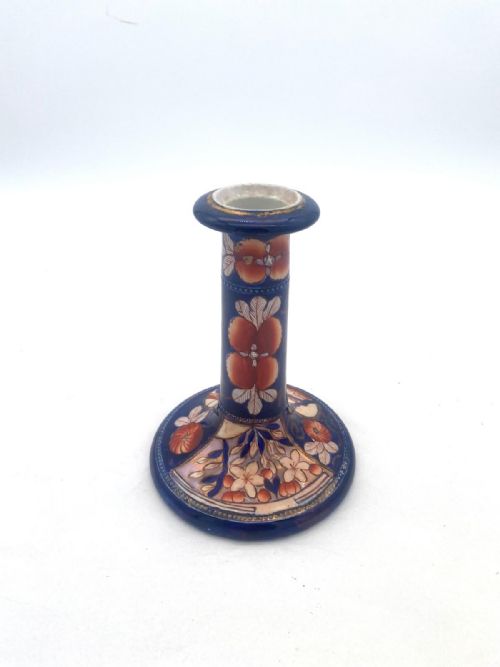
The offerings include English porcelain alongside continental European works, notably German figures and French Paris ware, reflecting varied regional tastes and historical styles. Pieces range from large Victorian dinner services down to single decorative vases, lamps, and candlesticks designed to ornament a table.
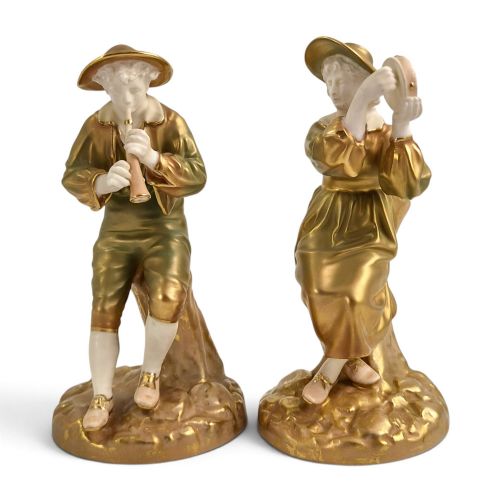
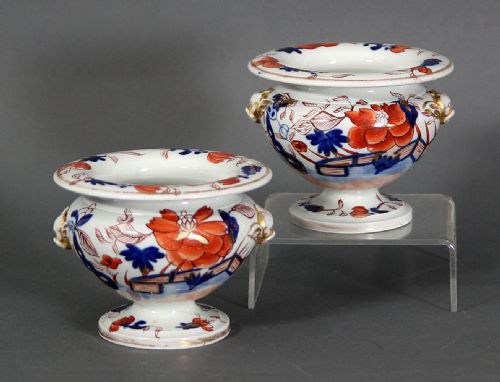
Stylistic influences across the selection draw upon Georgian, Victorian, Edwardian, and Rococo Revival aesthetics. Makers and factories represented include Royal Worcester, Royal Doulton, Mason's, and Sitzendorf, providing both functional tableware and display pieces.
Materials and methods
Items in this category are fashioned primarily from porcelain, bone china, and ironstone, often finished with detailed glazes, enamel colours, and gilding with gold leaf. Ceramic bodies are shaped, fired, and hand-painted or glazed, requiring precise kiln temperatures to achieve durability and smooth surface finishes.
Decorative elements involve intricate hand-painted floral motifs, figural modelling, and transfer printing, sometimes complemented by brass mounts in lamps and dressing pieces. The technical execution varies from mass-produced transferware to individually modelled figures and hand-painted cabinet vases.
Vintage China Table Retail Price Guide 2026
Typical asking prices for vintage china table among the pieces listed under this phrase on Sellingantiques today, from the lower quarter to the upper quarter. They describe what is for sale here now, not the wider market.
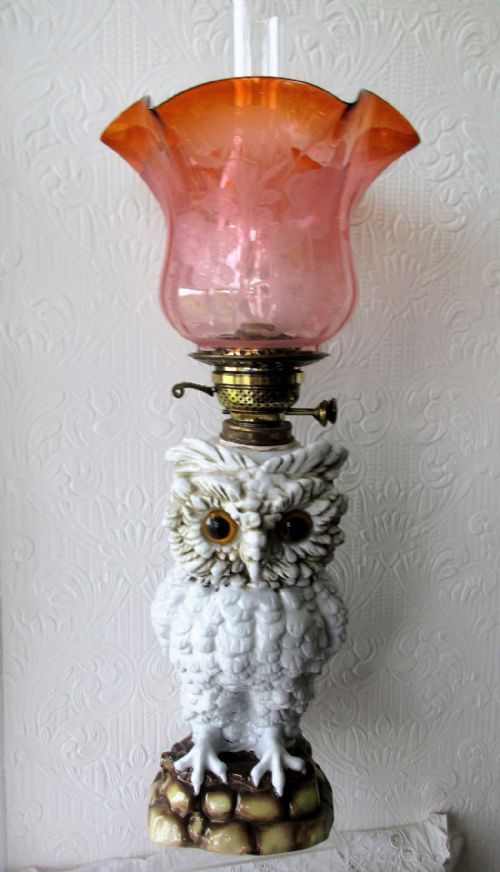
German porcelain owl oil lamps occasionally gaze out from the dressing table to watch over the evening preparations.
Gradations of quality
Quality in these ceramics is determined by the crispness of the moulding, the precision of the hand-painted details, and the preservation of the original glaze and gilding. Superior examples exhibit fine, unblemished porcelain bodies and balanced proportions, whereas simpler pieces rely on standard transfer-printed decoration.
The reputation of the maker, such as Royal Worcester or Mason's, alongside the complexity of the design, dictates the standing of a piece within the range. Intricate figural sculpting and signed hand-painted work represent the higher tier of production compared to standard utility wares.
Royal Worcester·Royal Doulton·Sitzendorf
The Vintage China Table Glossary
- Bone china
- A type of soft-paste porcelain containing bone ash, known for its high strength, opacity, and milky white appearance. It was widely adopted by English potteries during the eighteenth and nineteenth centuries.
- Ironstone
- A heavy, durable type of earthenware patented in the nineteenth century by Mason's, designed to imitate Chinese porcelain while offering greater strength for domestic use.
- Paris ware
- Porcelain produced by various independent workshops in and around Paris during the eighteenth and nineteenth centuries, often characterised by rich gilding and vibrant enamel painting.
- Blanc-de-chine
- A French term for white Chinese porcelain from Dehua, also used to describe European figures and wares produced in imitation of this unpainted white aesthetic.
- Gilding
- The application of gold leaf or gold dust suspended in a medium to the surface of ceramics, adding reflective highlights to rims, handles, and painted scenes.
Vintage China Table: Frequently Asked Questions
How do I date a vintage china table piece?
Dating relies on factory backstamps, stylistic markers such as Victorian or Edwardian motifs, and the specific composition of the ceramic body. Comparing glaze colours and painted signatures helps narrow down the period of manufacture.
Changes in registration marks and the transition from hand-painted details to transfer printing also provide reliable chronological indicators for nineteenth and twentieth-century ceramics.
Were these porcelain items meant for daily use?
Many items, such as dinner services, sauceboats, and salts, were produced for regular dining and household hospitality. Ironstone and bone china were specifically chosen for their durability in practical table settings.
Other objects, including decorative vases and display figures, were intended solely for interior ornamentation rather than functional dining purposes.
How should I clean antique porcelain and china?
Antique ceramics require gentle cleaning with lukewarm water and mild, non-abrasive soap to protect fragile enamel paints and delicate gilding. Immersion should be avoided for pieces with metal mounts or old repairs.
Soft cloths and natural bristle brushes help remove dust from intricate mouldings without scratching the glazed surface.
What is the difference between porcelain and ironstone?
Porcelain is a vitrified ceramic material made from kaolin fired at high temperatures, resulting in a translucent and refined body. Ironstone is a dense, opaque earthenware developed to be robust and resistant to chipping.
While both appear on the dining table, porcelain tends to feature finer artistic painting, whereas ironstone prioritises utilitarian strength.