



Vintage Chemist Display
These vintage chemist display pieces bring utilitarian shop history into a room through honest glass, timber and brass.
Vintage Chemist Display
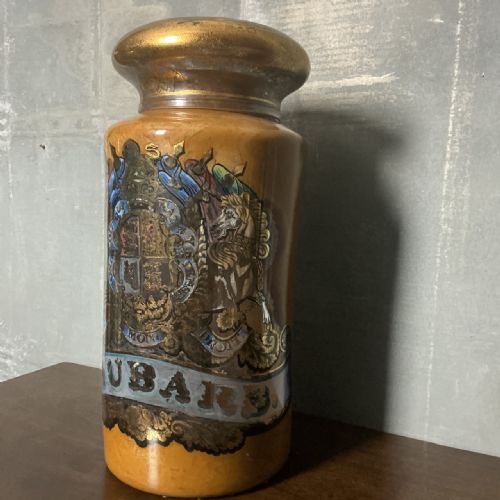
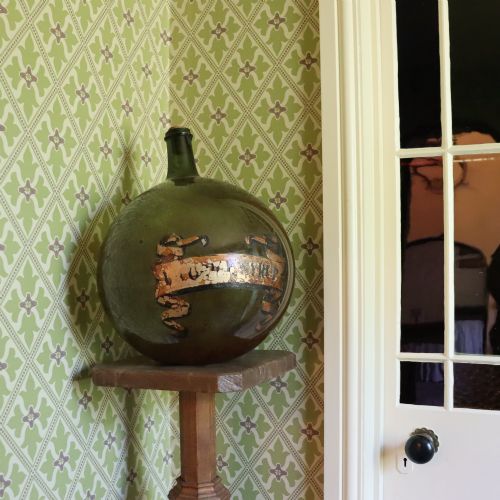
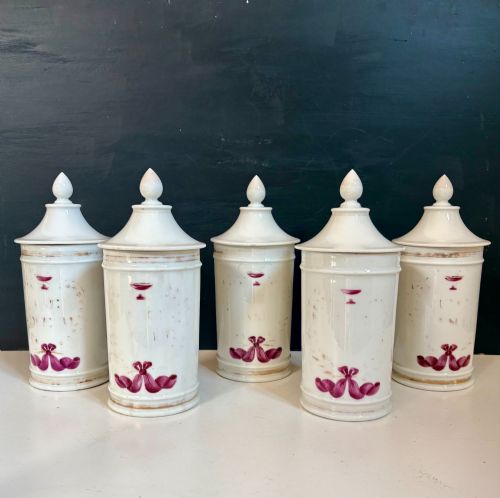
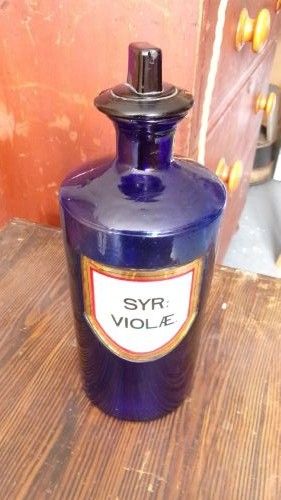
When you search for vintage chemist display, you encounter the tangible apparatus of nineteenth and early twentieth century apothecaries and pharmacies. The selection ranges from large glass apothecary jars and carboys to mahogany shop counters and countertop display cabinets.
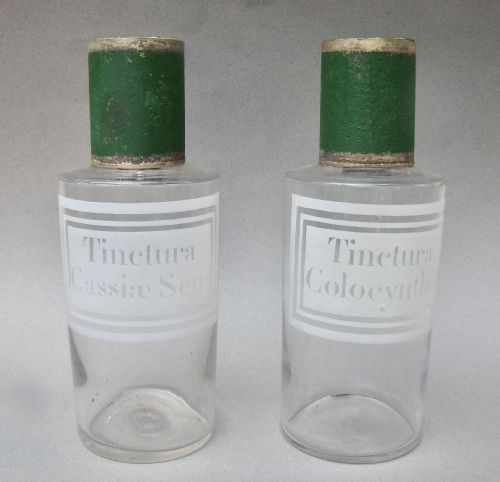
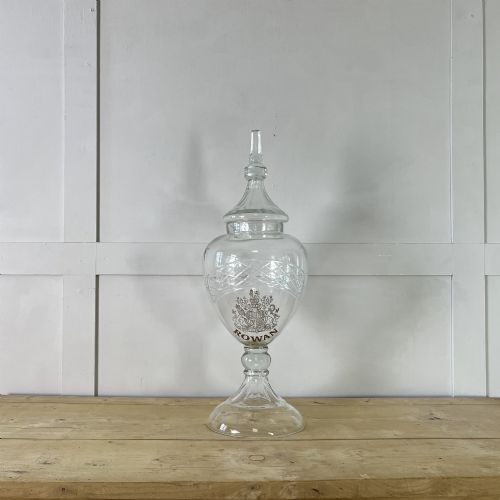
The most common items meeting this description are blown and etched glass vessels designed to hold remedies or botanical ingredients. Alongside these sit fitted mahogany display cases, brass stands and precision scientific instruments that once furnished commercial shops.
How they were made
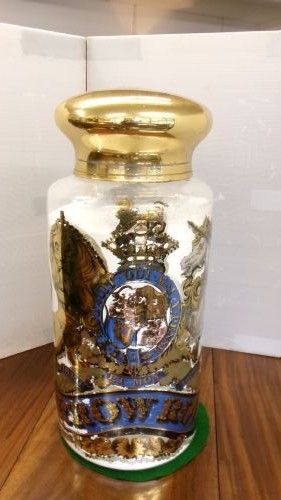
Glass vessels were mouth-blown, sometimes featuring ground stoppers or applied gold leaf labels, whilst others display delicate etched surface decoration. Carboys and storage jars required significant glassblowing skill to achieve substantial scale without structural failure.
Cabinets and counters utilise dense timbers such as mahogany, joined with brass and iron hardware built to endure daily commercial use. Polished wood boxes and retail stands demonstrate careful cabinet-making adapted specifically for counter or shelf presentation.
Vintage Chemist Display Retail Price Guide 2026
Typical asking prices for vintage chemist display among the pieces listed under this phrase on Sellingantiques today, from the lower quarter to the upper quarter. They describe what is for sale here now, not the wider market.
Arrowroot and gelatins once rested inside these very jars, awaiting the apothecary's hand.
What varies in quality
Quality rests in the original scale and ambition of the piece, distinguishing standard utility vessels from monumental display carboys or fitted retail counters. Intact matching sets and surviving blown covers elevate certain glass items significantly.
The degree of original signage, such as gold leaf lettering or specific pharmacy attribution, alters the character of timber cabinetry and glass jars. Condition of the timber, clarity of the glass, and survival of original brass or iron fittings define the finer examples.
The Vintage Chemist Display Glossary
- Carboy
- A large globular glass bottle used in laboratories and pharmacies for holding liquids. They often stood on the floor or in shop windows to catch the light.
- Apothecary jar
- A vessel designed to store medicinal drugs and herbs on pharmacy shelves. These typically feature broad rims and fitted glass covers.
- Lollipop stopper
- A flat, circular glass stopper shaped like a confection, commonly found on large chemist bottles. They provide a secure seal for volatile contents.
- Beam scales
- A weighing instrument utilising a central pivot and balanced pans for precision measurement. Pharmacists used these to portion out exact quantities of ingredients.
- Gold leaf
- Beaten gold applied to surfaces for lettering and ornamentation. On chemist jars, it denoted the contents with considerable elegance.
Vintage Chemist Display: Frequently Asked Questions
What did chemist displays hold?
Pharmacies utilised these vessels and cabinets to store dried botanicals, chemicals, pills, and liquid remedies behind the counter or on open shelving.
Larger carboys and labelled jars also served as prominent window advertisements to draw customers into the shop from the street.
How do I date these pieces?
Dating relies on observing the manufacturing techniques of the glass, such as pontil marks on the base, alongside the prevailing furniture styles of the timber cabinetry.
Victorian and Edwardian examples often display distinct proportions and labelling methods that separate them from later twentieth century retail fittings.
Where were shop counters placed?
Mahogany shop counters and glazed display cases formed the central barrier between the pharmacist and the visiting public. They allowed safe interaction while keeping delicate instruments and proprietary medicines visible.
Countertop display cabinets sat directly upon these wooden surfaces to showcase smaller bottled goods and goods for immediate purchase.