

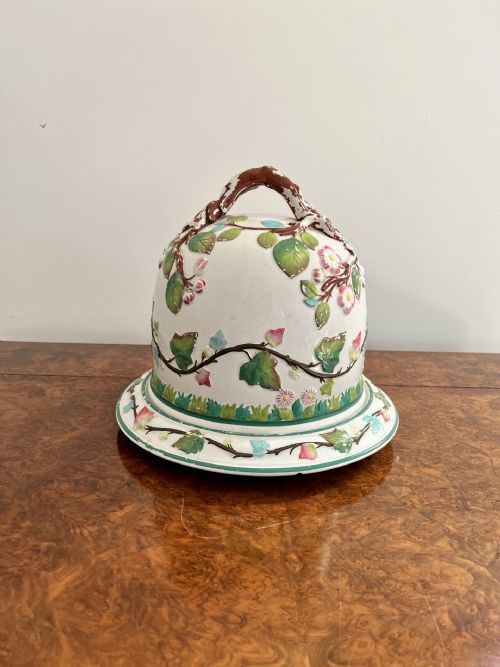


Vintage Cheese Stand
These vintage cheese stand examples range from heavy Victorian ironstone domes to rotating oak servers, offering a practical centrepiece for any dining table.
Vintage Cheese Stand
A vintage cheese stand typically comprises a fitted baseplate paired with a matching cover or dome, designed specifically to keep dairy fresh on the Victorian or Edwardian dining table. These serving pieces appear in various forms, from enclosed ceramic bells to rotating wooden tiers and silver-plated glass holders.
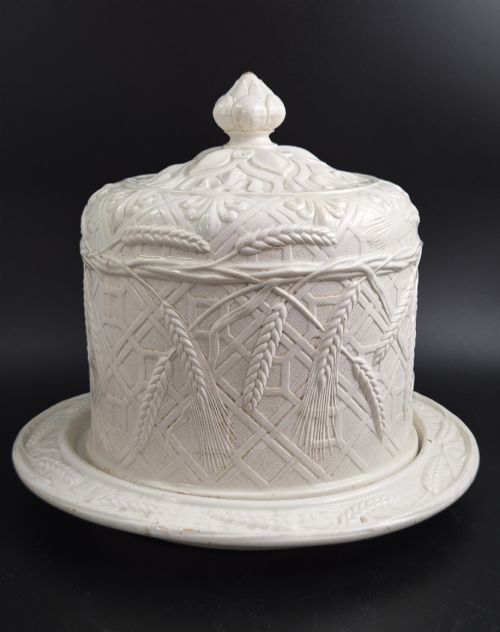
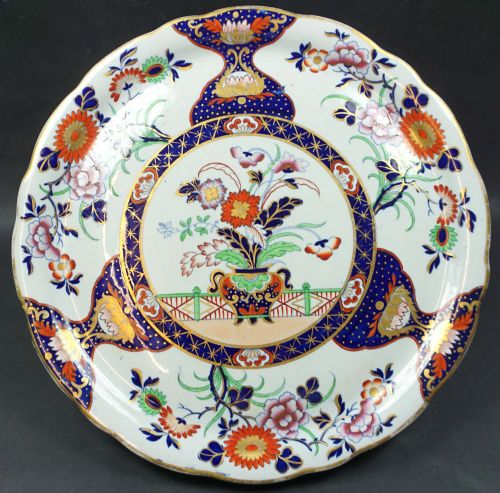
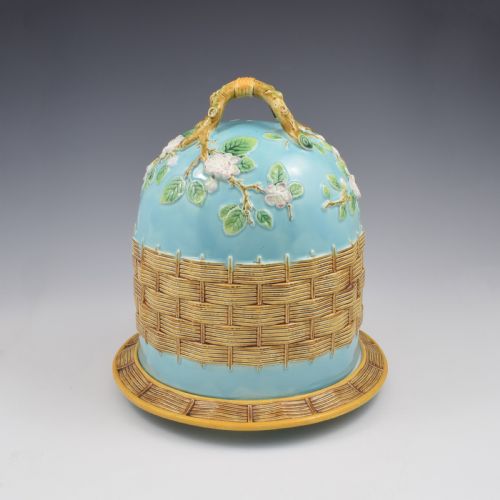
The selections available here lean heavily towards nineteenth-century production, featuring earthenware, white ironstone, and glazed ceramic bodies. Buyers encounter both plain utility pieces and heavily decorated majolica or chinoiserie patterns designed to impress guests during dessert courses.
How they were made
Potters shaped earthenware and ironstone bodies using traditional moulds before applying hand-coloured glazes or intricate transfer-printed motifs like wheat and lattice designs. These ceramic domes and stands required careful kiln firing to ensure the heavy covers fit securely onto their corresponding plates.
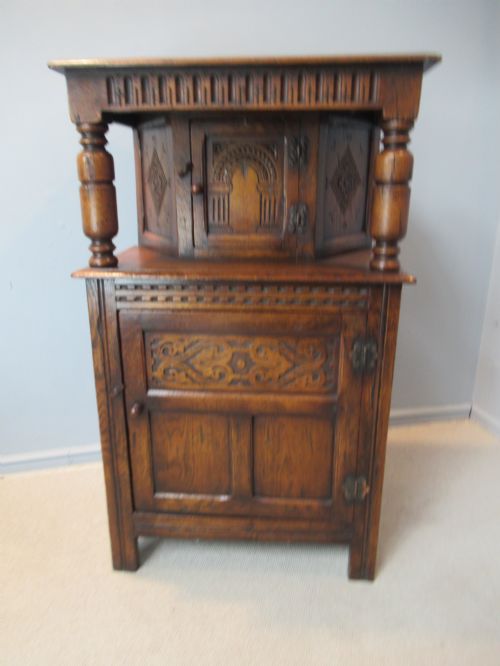
Woodworking craftsmen utilised dense timbers such as mahogany and oak to construct circular revolving tiers and court cupboards. Metalworkers added silver plating to glass inserts, combining durable base metals with bright finishes for formal dining displays.
Vintage Cheese Stand Retail Price Guide 2026
Typical asking prices for vintage cheese stand among the pieces listed under this phrase on Sellingantiques today, from the lower quarter to the upper quarter. They describe what is for sale here now, not the wider market.
Victorians took their cheese so seriously they invented specialised domed bells just to trap the pungent aromas of Stilton away from the parlour.
What varies in quality
The distinction between standard utility items and superior examples lies in the crispness of the moulding and the richness of the hand-applied colouring. Elaborate majolica pieces with modelled apple blossom decoration or intricate pagoda patterns represent higher skill levels than plain white earthenware.
Material choice and structural integrity also dictate the overall standard of a piece, particularly in wooden serving trays and revolving mechanisms. Heavier ironstone bodies and well-balanced mahogany stands demonstrate superior manufacturing longevity compared to lighter utilitarian wares.
Hicks and Meigh·George Jones·Masons Ironstone China
The Vintage Cheese Stand Glossary
- Ironstone
- A durable type of heavy earthenware patented in the nineteenth century to rival porcelain. It provided a sturdy surface for large kitchen and dining ceramics.
- Majolica
- A colourful, lead-glazed earthenware popular during the Victorian era. It is characterised by vibrant moulded botanical or figural designs.
- Lazy Susan
- A revolving tray placed on a table to assist in moving food easily. Wooden and ceramic variants appear across dining rooms.
- Cheese Bell
- An alternative name for a cheese dome and stand. The bell-shaped cover traps moisture and protects the cheese.
Vintage Cheese Stand: Frequently Asked Questions
What is a cheese bell?
A cheese bell is a domed cover, usually made of ceramic or glass, paired with a matching tray. It was placed on the table at the end of a meal to keep the cheese moist.
The bell shape helps trap humidity, preventing the cut edges of the cheese from drying out during extended dining room gatherings.
How do I date a ceramic dome?
Dating relies on identifying the pottery marks stamped or printed underneath the baseplate, alongside stylistic clues like glaze colours and moulding techniques. Victorian pieces often display registration diamonds or specific maker stamps.
Heavier ironstone and vibrant majolica glazes point directly to mid-to-late nineteenth-century manufacturing methods, distinguishing them from later Edwardian reproductions.
Can I use these for serving food?
Most antique ceramic and glass stands remain fully functional for serving food today. Gentle hand washing preserves the delicate glazes and hand-applied colours found on nineteenth-century pieces.
Avoid exposing old earthenware or ironstone to sudden temperature changes or modern dishwashers to prevent crazing in the glaze.
Why are some stands rotating?
Rotating wooden stands, often referred to as lazy Susans, allowed diners seated around large Victorian tables to access different cheeses without passing heavy dishes across the board. The central pivot mechanism required sturdy timber construction.
Mahogany and oak were preferred for these moving tiers because they provided the structural strength needed to support heavy glass or ceramic covers.