

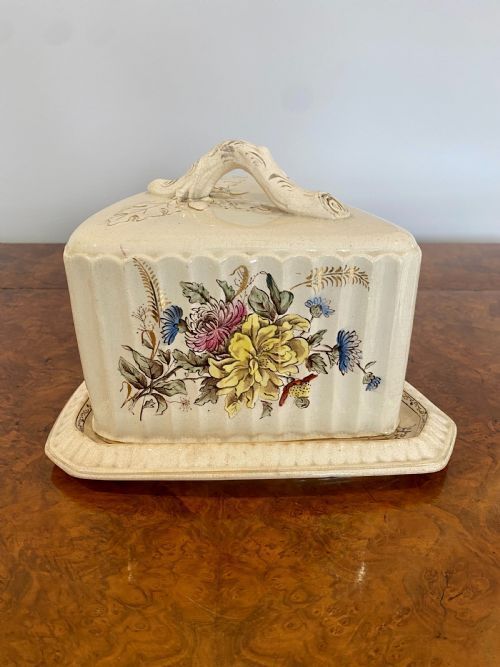


Vintage Cheese Dish
A vintage cheese dish preserves the table tradition of a covered wedge, bringing ceramic, glass, and ironstone domes to the dining room.
Vintage Cheese Dish
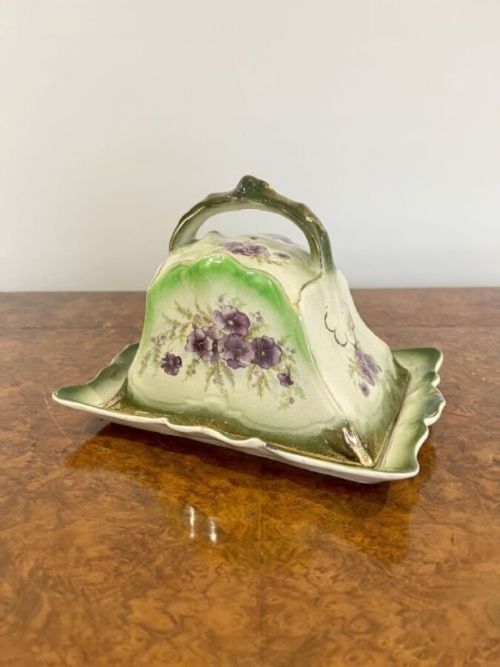
A vintage cheese dish consists of a fitted cover, often called a bell or dome, resting upon a matching flat stand or plate. These serving pieces appeared in ceramic, ironstone, earthenware, majolica, jasper ware, and silver plate with glass inserts across the nineteenth and early twentieth centuries.
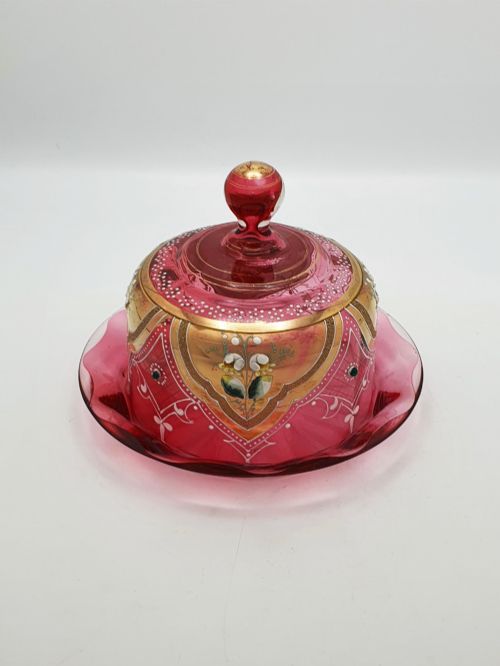
Buyers seeking a vintage cheese dish will encounter distinct regional and stylistic variations, including Scottish silver plate combinations and continental cranberry glass covers. These vessels served to keep cheese moist and protected on the dining table before refrigeration changed domestic habits.
How they were made
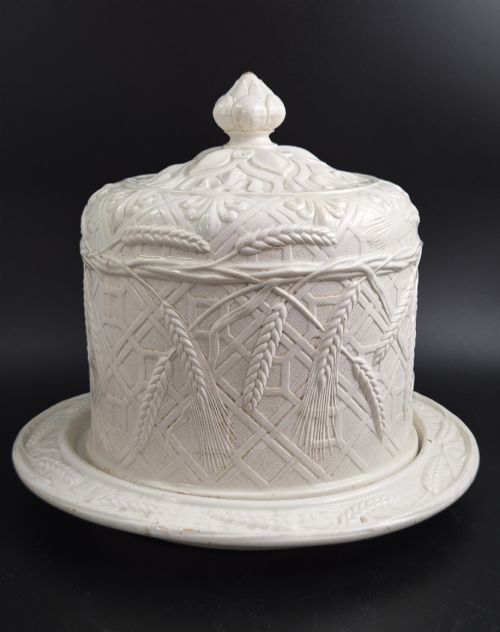
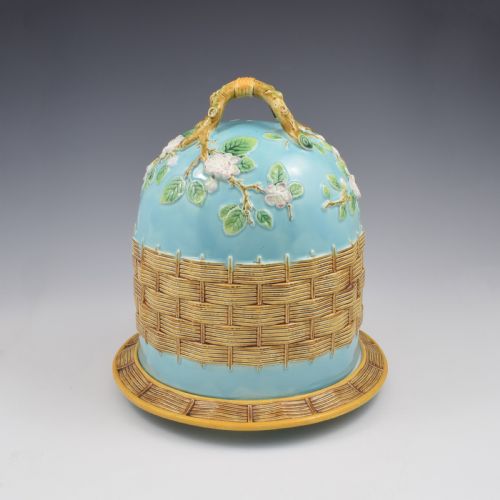
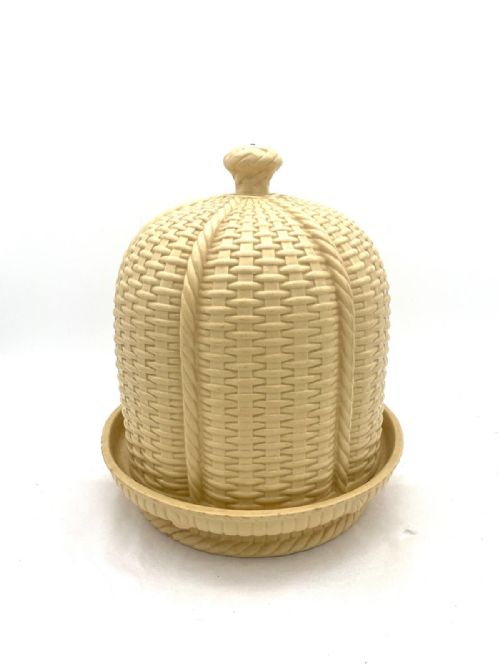
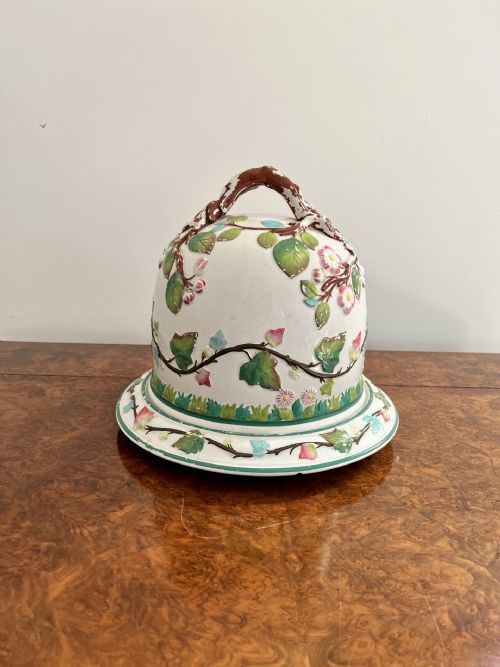
Potters shaped these vessels using earthenware, ironstone, and ceramic bodies, frequently employing moulded relief decorations such as basket weave, wheat and lattice, or apple blossom motifs. Majolica pieces utilised colourful lead glazes applied directly to the biscuit fired clay to create rich, glossy surfaces.
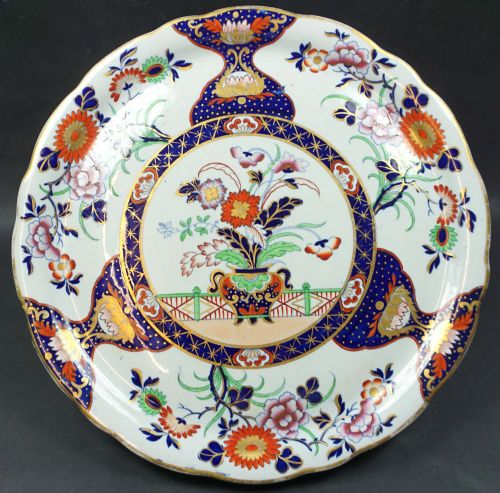
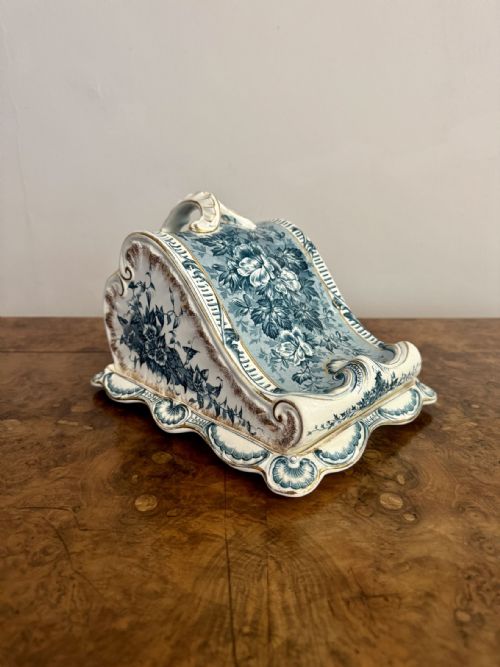
Makers added hand-coloured details, gilding, and transfer-printed patterns like Chinoiserie pagoda designs before a final kiln firing. Glass versions relied on blown or pressed cranberry glass paired with silver plate stands to achieve a contrasting metallic and translucent finish.
Vintage Cheese Dish Retail Price Guide 2026
Typical asking prices for vintage cheese dish among the pieces listed under this phrase on Sellingantiques today, from the lower quarter to the upper quarter. They describe what is for sale here now, not the wider market.
Victorian diners apparently required specialised ceramic architecture just to prevent a wedge of cheddar from drying out in polite company.
What varies in quality
The distinction between standard domestic wares and exceptional examples rests in the crispness of the moulding and the depth of the glaze. Complex modelled details, such as those found on majolica apple blossom bells or drabware basket weave bodies, demand superior skill from the modeller.
Surface decoration also dictates the standing of a piece, separating simple monochrome ironstone from intricate hand-coloured painting, gilding, and transfer-printed pagoda patterns. The integrity of the fit between dome and stand remains a key indicator of original factory execution.
Hicks and Meigh·George Jones·Masons Ironstone
The Vintage Cheese Dish Glossary
- Cheese dome
- A bell-shaped cover designed to fit over a plate or stand to protect cheese. It traps humidity to keep the food fresh.
- Ironstone
- A heavy, durable type of earthenware patented in the nineteenth century. It resists chipping and mimics porcelain.
- Majolica
- Pottery covered with a coloured lead glaze over an opaque white tin glaze. It became popular in the Victorian era for vibrant botanical designs.
- Drabware
- Unglazed or slip-glazed stoneware in muted grey, brown, or olive tones. It was favoured for utilitarian tableware in the nineteenth century.
Vintage Cheese Dish: Frequently Asked Questions
What is a cheese bell?
A cheese bell is simply another term for the dome or cover component of a cheese dish. It earned the name from its distinctive bell-like profile that traps air over the food.
These covers lifted off the flat base to allow cutting at the table and kept strong aromas contained between meals.
How were vintage cheese dishes used?
Victorians used these covered dishes to store and serve cheese at the end of a meal or during breakfast. The fitted lid protected the dairy from dust and insects while retaining moisture.
They sat centrally on the dining table as part of the formal tableware service before domestic refrigeration became common.
How do I date a cheese dish?
Dating relies on identifying the ceramic body, glaze type, and stylistic markers such as Victorian majolica or Edwardian forms. Maker marks on the underside of the base provide the most precise chronological evidence.
Stylistic shifts from Regency hand-coloured earthenware to later Art Nouveau lines also help narrow the period of production.
Are ironstone cheese dishes heavy?
Ironstone dishes are notably dense and heavy due to the vitrified clay composition used by nineteenth-century potteries. This weight helped prevent the large stands from sliding on dining tables.
The robust fabric also explains why many ironstone domes and bases survived decades of daily household use.