



Vintage Charcoal Sketch
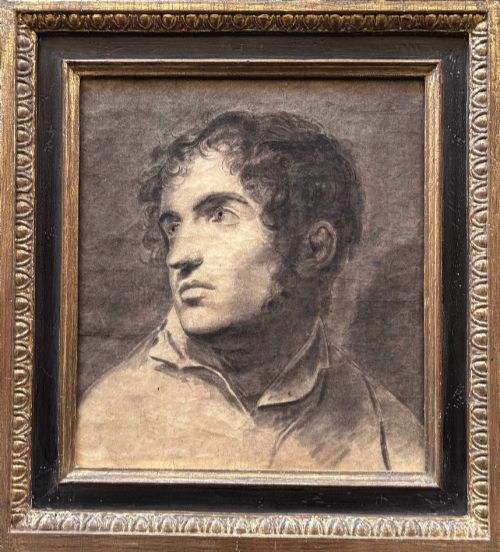
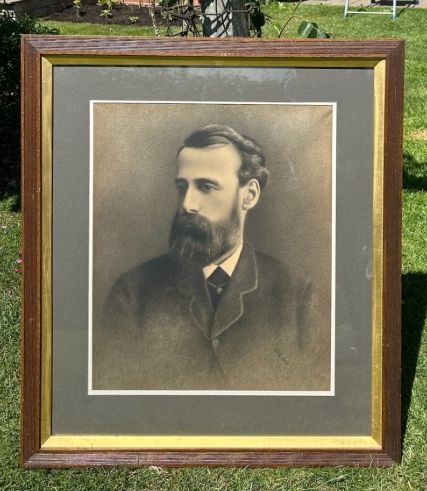
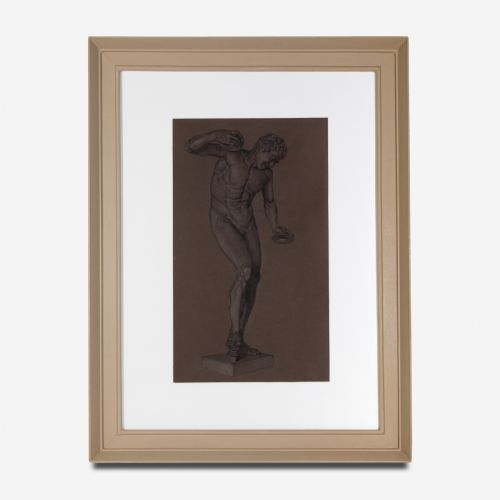
A vintage charcoal sketch captures direct hand-drawn urgency on paper, offering buyers raw immediacy and lasting historical character for domestic walls.
Vintage Charcoal Sketch
A vintage charcoal sketch brings together original works on paper spanning academic life studies, portraits and landscape compositions. Collectors searching this phrase encounter framed drawings originating from the nineteenth century through the mid-twentieth century, encompassing Edwardian, Art Deco and Modern British movements.
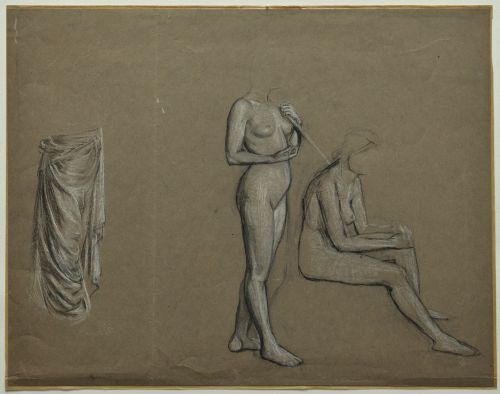
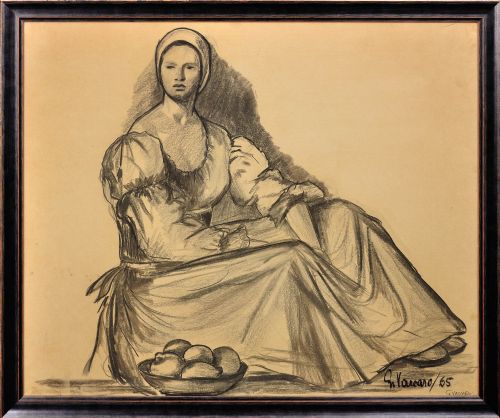
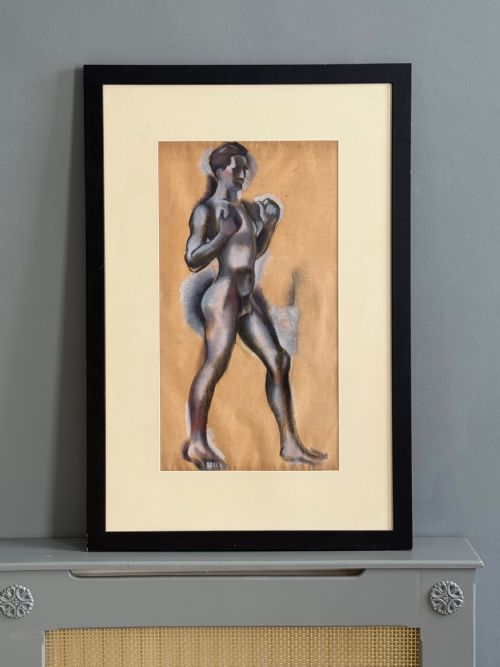
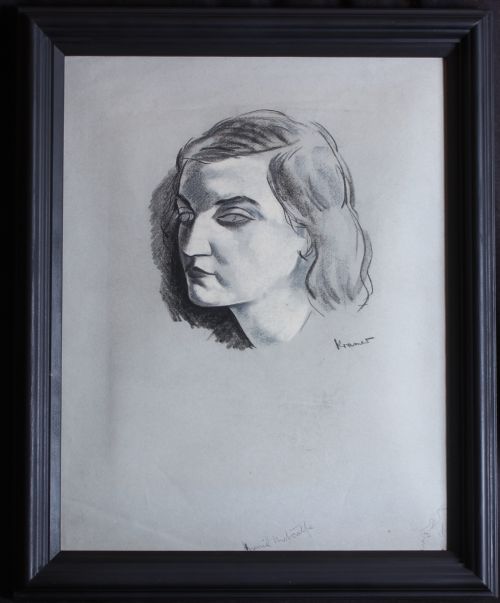
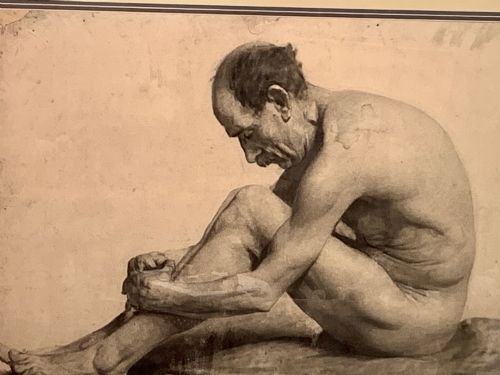
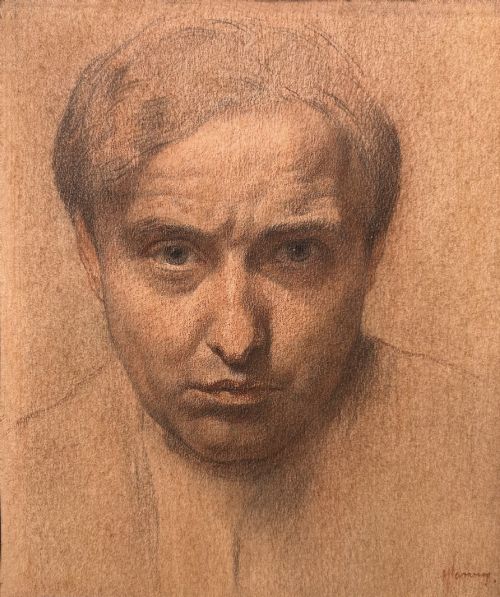
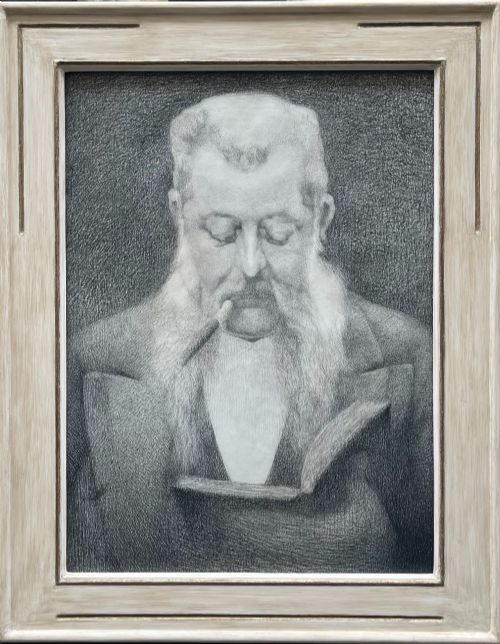
The selections on this page lean heavily toward figure studies and portraiture, including female and male nudes alongside depictions of historical figures and everyday people. These original artworks frequently arrive framed in period wood and gilt surrounds, ready for display.
Materials and technique
These works rely on charcoal applied to paper, often augmented with graphite, chalk, or pastel to build depth and contrast. Artists employed varied mark-making techniques, moving from soft, smudged shadows to sharp linear definitions.
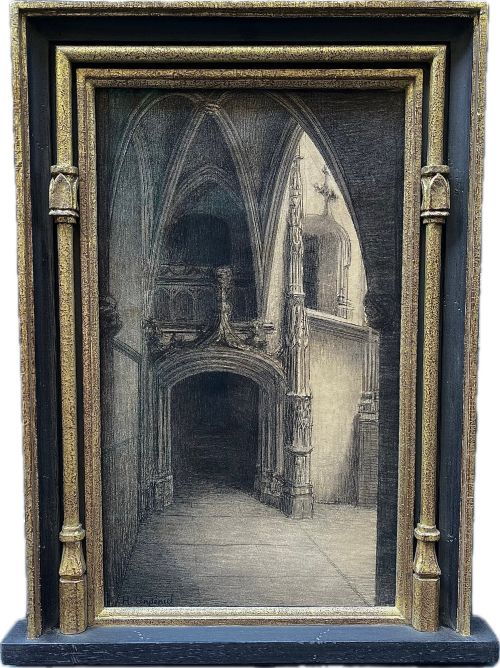
Framing typically involves glass protection set within wood or gilt wood frames, preserving the friable charcoal medium from accidental smudging over decades of existence.
Vintage Charcoal Sketch Retail Price Guide 2026
Typical asking prices for vintage charcoal sketch among the pieces listed under this phrase on Sellingantiques today, from the lower quarter to the upper quarter. They describe what is for sale here now, not the wider market.
The inventory spans the nineteenth and twentieth centuries, featuring paper, charcoal, chalk, pastel, and gilt wood across diverse international art schools.
Distinctions in quality
Quality rests on the sureness of the draughtsmanship and the artist's ability to command light and shadow across the paper surface. Stronger examples reveal confident anatomy and expressive personality rather than stiff, tentative hatching.
Condition and presentation also dictate worth, with clean paper surfaces, minimal foxing, and appropriate period framing elevating the overall impact of the drawing.
Herbert Johnson Harvey·Samuel Rabin·Henri Charles Angéniol·Henry Arthur Roberts·Leopold Halvoet·Demetrios Galanis·Arthur Todd·Winifred Eugene Ballard·LS Lowry·Ted Halliday·Reginald G Eves·Frank Dobson·John Seymour Lucas·Ernest Borough Johnson·George Richmond·Frank O A Haviland·Harry Epworth Allen
The Vintage Charcoal Sketch Glossary
- Charcoal
- A dry drawing medium made from organic charred material that produces rich, velvety blacks and easily blendable grey tones. It remains prone to smudging if left unprotected beneath glass.
- Life study
- An observational drawing of a human model created directly from life, frequently utilised in academic training. These pieces showcase rigorous attention to proportion and musculature.
- Deux crayon
- A drawing technique utilising two distinct coloured chalks or pencils, commonly black and red or white and black, on tinted paper. This method allows artists to render both shadow and highlight simultaneously.
- Gilt wood
- Wood carved and coated with a thin layer of gold leaf or metallic gilt paint, frequently found on period frames. It provides a reflective border that complements dark monochromatic drawings.
- Academic realism
- An artistic style born from the standards of European art academies, prioritising accurate anatomical rendering and classical composition. Works in this vein demonstrate strict adherence to traditional training.
Vintage Charcoal Sketch: Frequently Asked Questions
What is an academic life study?
An academic life study is a rigorous observational drawing produced by an artist studying the human form in a formal studio setting. These drawings were fundamental to traditional art education across the nineteenth and early twentieth centuries.
Such works emphasise precise muscle structure, tonal gradation, and correct anatomical proportions rather than quick preliminary gestures. They offer a window into rigorous historical training methods.
How do I distinguish chalk from charcoal?
Charcoal yields a deep, matte black mark with a soft, easily smudged texture that sits loosely on the paper fibres. It creates broad, velvety shadows and distinct textural variations.
Chalk generally produces a denser, slightly waxier or crisper line that adheres more firmly to the surface. Many period drawings combine both mediums to achieve sharp linear details alongside soft shaded areas.
Why are some drawings signed while others are unsigned?
Artists often left finished studio exercises, rapid sketches, or informal life studies unsigned because they served as practice pieces rather than intended exhibition works. Studio contents frequently entered the market uncredited after an artist's death.
Signed works typically indicate a finished composition meant for public display or sale. Attribution for unsigned pieces usually relies on style, provenance, or accompanying archival records.