




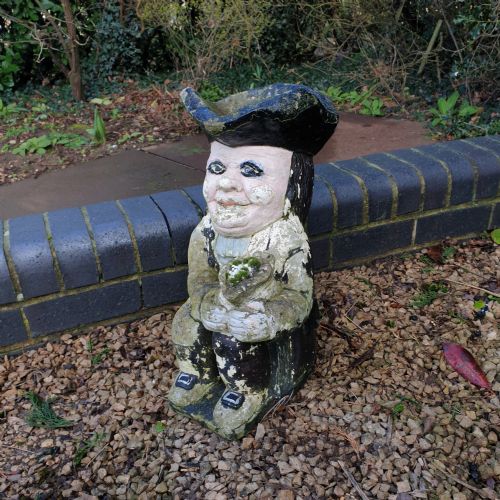

Vintage Character Figure
These vintage character figure examples span whimsical painted wood and Staffordshire ceramics, offering collectors a tangible piece of social history.
Vintage Character Figure
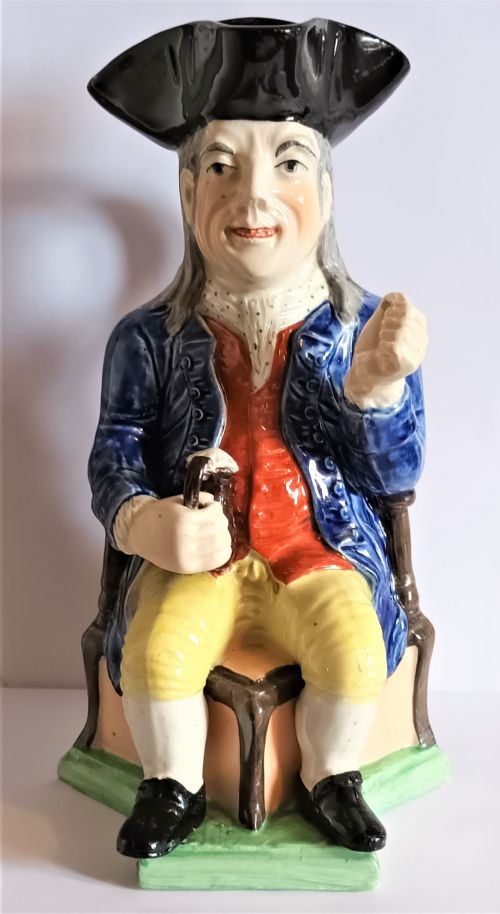
When you search for a vintage character figure, you encounter a diverse range of anthropomorphic ceramics, wooden carvings, and painted ornaments depicting notable individuals or archetypes. These items trace their origins from the Georgian era through the Victorian period and into the mid-century.
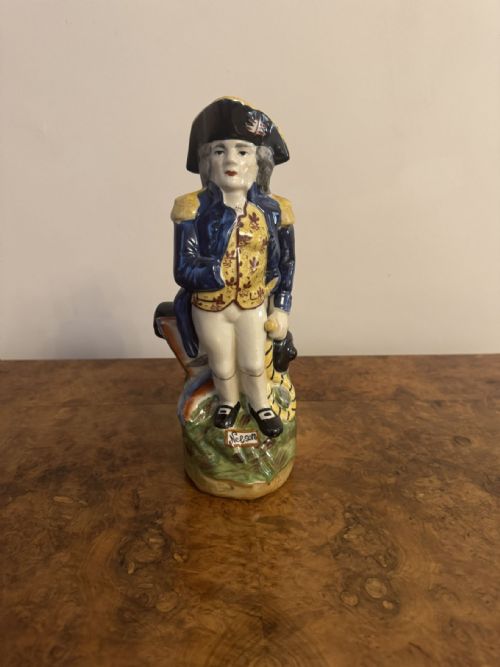
You are most likely to meet ceramic toby jugs and decorative porcelain figurines on this page, reflecting popular characters from literature and history. Examples include depictions of Lord Nelson, Martin Chuzzlewit, and traditional figures like the Squire.
Materials and methods of production
Makers utilised earthenware, porcelain, and glazed ceramic as the primary bases for three-dimensional figures, often applying detailed hand-painting and enamel decoration over the fired clay. These ceramic pieces rely on traditional moulding and glazing techniques characteristic of Staffordshire potteries.
Wooden items such as folk art carvings employ carved timber finished with surface paint to define the subject. Meanwhile, precious items utilise nine-carat gold combined with enamel work to render miniature character jugs as wearable charms.
Vintage Character Figure Retail Price Guide 2026
Typical asking prices for vintage character figure among the pieces listed under this phrase on Sellingantiques today, from the lower quarter to the upper quarter. They describe what is for sale here now, not the wider market.
Listings feature items spanning the Georgian period, the nineteenth century, and the nineteen-fifties, utilising ceramic, wood, and gold.
Distinctions in quality and execution
Material choice and maker reputation also determine distinction, where fine porcelain or marked Staffordshire pottery demonstrates greater artistic ambition than unbranded garden ornaments or later collector editions.
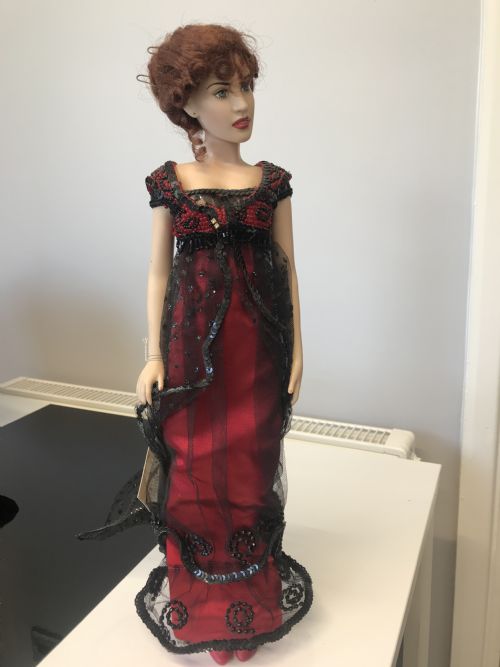
Franklin Mint
The Vintage Character Figure Glossary
- Toby Jug
- A pottery jug shaped as the bust or full figure of a convivial character, usually wearing a Georgian tricorn hat. These vessels often depict historical figures or traditional social archetypes.
- Staffordshire Pottery
- Ware produced in the pottery district of Staffordshire, England, renowned for producing popular earthenware figures and jugs during the Victorian era. These factories supplied domestic mantels with colourful portrait ceramics.
- Folk Art
- Utilitarian or decorative items created by self-taught or provincial artisans, often using accessible materials like wood or painted earthenware. These pieces emphasise expressive charm over academic precision.
- Enamel
- A glass-like substance fused to metal or ceramic surfaces through firing, providing durable colour and gloss. It is frequently seen on miniature charms and detailed decorative elements.
Vintage Character Figure: Frequently Asked Questions
What is a character figure?
A character figure is a three-dimensional representation of a specific person, literary persona, or social archetype expressed through ceramics, wood, or metal.
These objects serve as both decorative ornaments and historical artefacts reflecting popular culture of their time.
How were toby jugs used?
Toby jugs were traditionally utilised to serve ale in taverns and homes during the Georgian and Victorian periods, combining practicality with humour.
The removable hat often served as a drinking cup, while the body held the beverage.
How do I identify Victorian pieces?
Victorian pieces often feature robust earthenware bodies covered in rich coloured glazes depicting recognisable literary or historical personages from the nineteenth century.
Stylistic cues include traditional attire and distinct moulding techniques typical of Staffordshire potteries from that era.
Where should I display them?
Character figures suit placement on mantelpieces, within cabinets, or on sturdy shelving where their details can be appreciated safely.
Care should be taken to keep painted wooden carvings and delicate ceramics away from direct sunlight and moisture.