





Vintage Ceramic Wall Decor
These vintage ceramic wall decor pieces bring instant character to a room, offering everything from bold geometric lines to hand-painted botanical plates.
Vintage Ceramic Wall Decor
When you search for vintage ceramic wall decor, you uncover an eclectic mix of plates, plaques, tiles, and sculptural masks designed specifically for display. These objects span periods from the Victorian era through the mid-century modern movement, reflecting changing interior tastes over more than half a century.
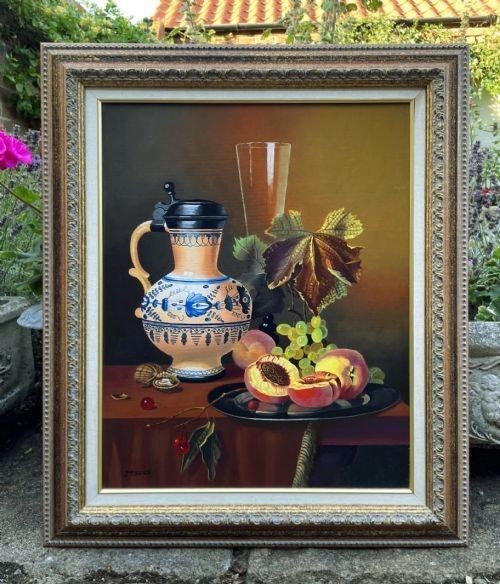
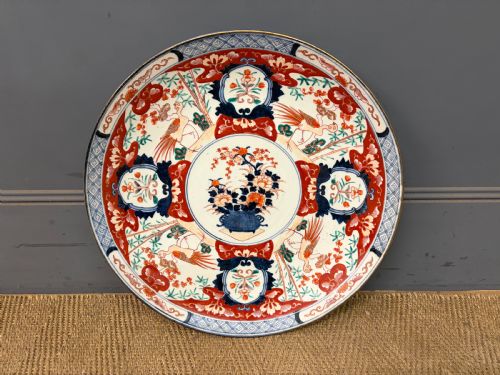
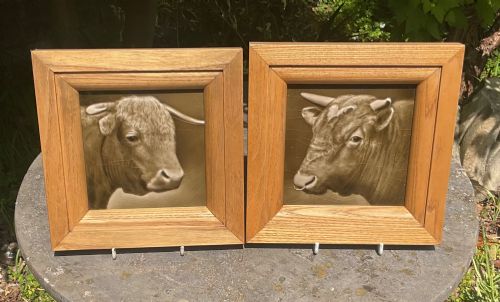
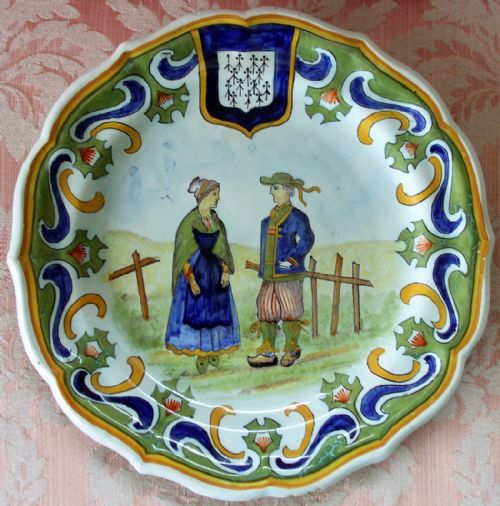
The pieces you are most likely to meet on this page include framed decorative tiles, Japanese Imari chargers, and hand-painted earthenware dishes. Makers from England, Austria, France, and Italy are represented across these diverse decorative forms.
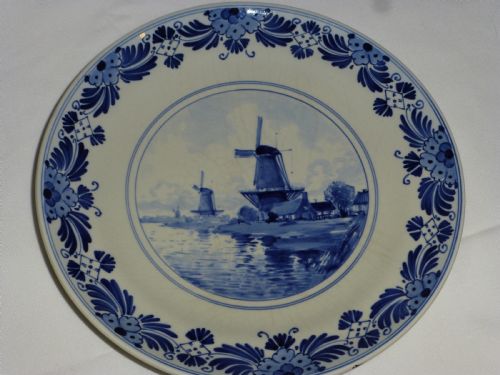
Much of the appeal lies in the sheer variety of surfaces, which range from traditional blue and white delft to vibrant art deco glazes. Whether mounted singly or in pairs and sets, they transform plain wall space into a curated focal point.
Materials and methods
Makers utilised ceramic, earthenware, and porcelain bodies as the foundation for these wall pieces, often applying opaque or transparent glazes to seal the surface. Firing techniques determined whether the finish emerged with a high gloss or a matte sheen.
Decoration relied heavily on hand-painting and transfer-printing, sometimes enhanced with gilt highlights or enamel pigments. Tiles and plaques were frequently framed in wood or mounted directly with integrated hanging fixings.
Vintage Ceramic Wall Decor Retail Price Guide 2026
Typical asking prices for vintage ceramic wall decor among the pieces listed under this phrase on Sellingantiques today, from the lower quarter to the upper quarter. They describe what is for sale here now, not the wider market.
The listings span multiple centuries, incorporating Victorian porcelain, 1930s Austrian art deco earthenware, and mid-century British designed tableware.
Assessing quality
Quality reveals itself in the crispness of the painted detail and the depth of the glaze, particularly where hand-brushwork shows the direct touch of the maker. Signatures by known artists or prestigious factories elevate a piece significantly above standard commercial output.
The integrity of the body and the preservation of the original surface finish dictate the overall desirability of each item. Matching pairs and complete sets retain greater visual impact and collectible standing than isolated single pieces.
Sherwin and Cotton·Gmundner·Wedgwood·Richard Ginori·Dollond London·Royal Worcester
The Vintage Ceramic Wall Decor Glossary
- Charger
- A large decorative plate intended primarily for display on a wall or dresser rather than for dining. These substantial pieces often feature elaborate painted scenes.
- Faience
- Tin-glazed earthenware produced in France, known for its bright painted decoration over a white enamel ground. This technique creates a smooth surface reminiscent of porcelain.
- Imari
- A traditional Japanese style of ceramics featuring distinct iron-red, cobalt blue, and gilt coloration. These bold designs were widely emulated and imported across Europe.
- Queen's Ware
- A fine cream-coloured earthenware developed by Wedgwood in the eighteenth century and produced into later periods. It provides a refined, uniform background for transfer-printed or painted designs.
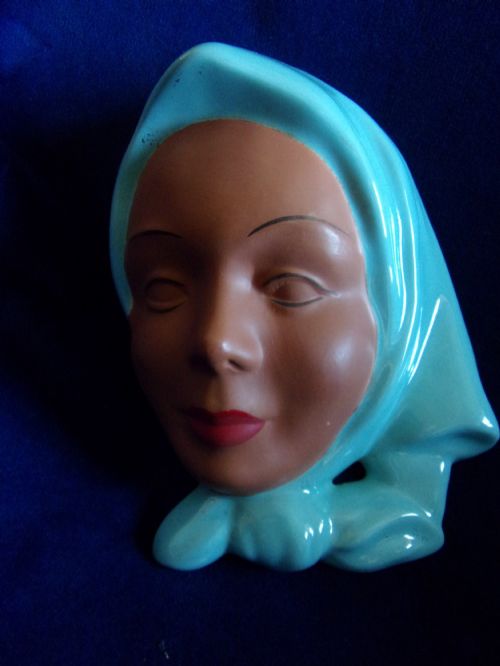
- Wall masque
- A ceramic sculpture depicting a human or fantastical face, designed explicitly for wall hanging. These pieces became particularly popular during the art deco period.
Vintage Ceramic Wall Decor: Frequently Asked Questions
How do I hang heavy ceramic chargers safely?
Heavy ceramic chargers require dedicated wall brackets or spring-loaded wire hangers that distribute the weight evenly across the back rim. Ensure the fixing is secured directly into wall studs or masonry rather than relying on standard plasterboard plugs.
Check the stability of the hanging mechanism periodically to prevent accidental slips. Avoid placing heavy wall decor above seating areas where vibrations might dislodge them.
Can antique tiles be cleaned with water?
Most glazed antique tiles tolerate gentle cleaning with a slightly damp cloth to remove surface dust. Avoid submerging tiles, particularly those with wooden frames or exposed earthenware edges that could absorb moisture.
Harsh chemical cleaners and abrasive scouring pads will strip delicate overglaze enamels and gilding. Stick to plain water and dry the surface immediately with a soft cloth.
How do I identify Art Deco wall pieces?
Art Deco wall pieces typically feature stylised geometric patterns, symmetrical motifs, or stylised figurative forms such as masks. The palette often contrasts deep blacks and blues with bright metallic or enamel highlights.
Look for clean architectural lines and moulded reliefs that break away from traditional Victorian floridness. Maker marks from the interwar decades often confirm this stylistic origin.
Are framed tiles original to their frames?
Many framed tiles were mounted by retailers or makers during the Victorian and Edwardian periods for domestic display. Inspect the back of the frame to see if the timber housing matches the age and wear patterns of the ceramic insert.
Later reframing is common for loose tiles salvaged from larger installations. The presence of original backing boards and old mounting hardware usually indicates period assembly.