

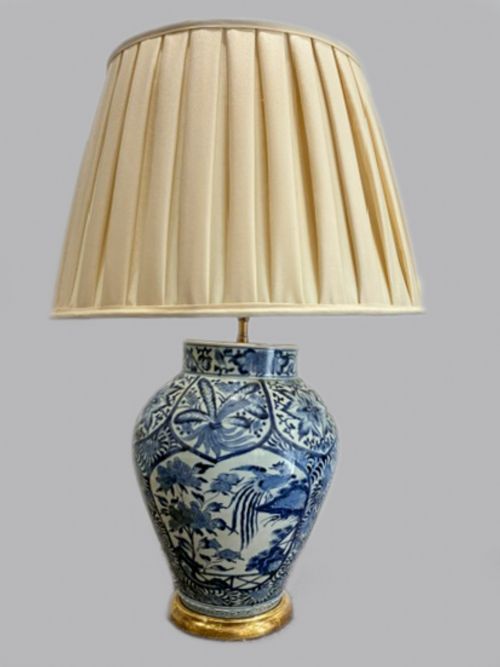
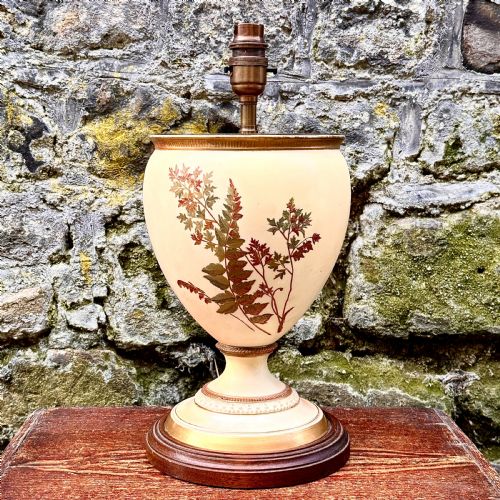
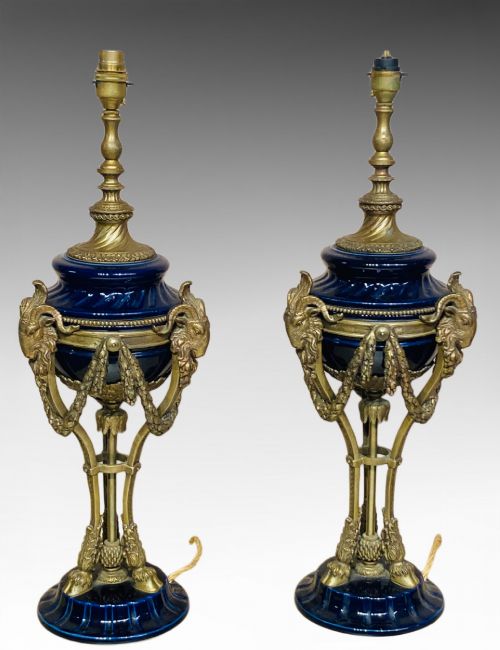
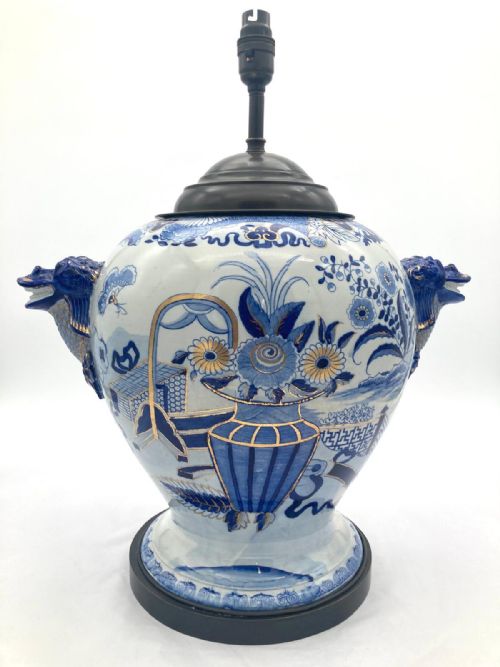


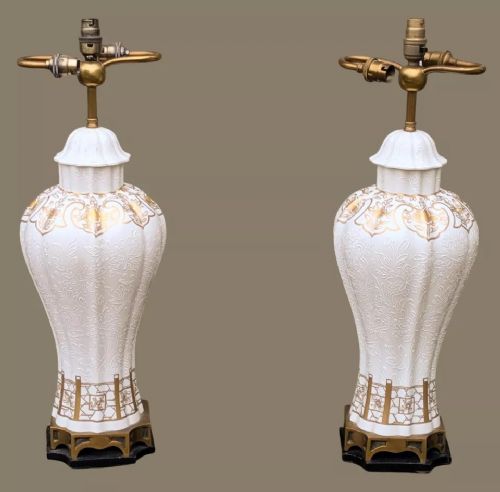
Vintage Ceramic Urn Light
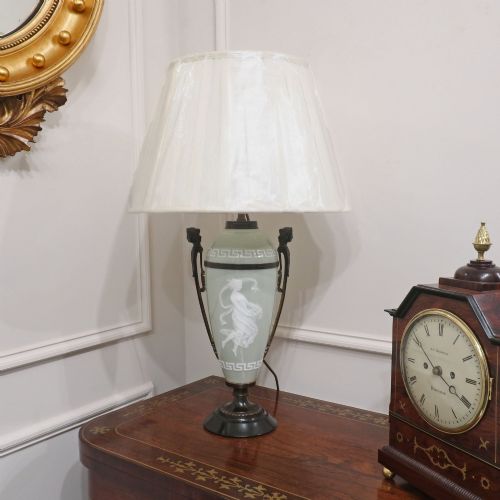
A vintage ceramic urn light brings classical form and warm illumination into a room, offering a striking focal point for a side table or sideboard.
Vintage Ceramic Urn Light
When you search for a vintage ceramic urn light, you are looking at transformed vessels where antique vases and jars take on a new life as electrified lamps. The selection spans centuries of ceramic artistry, including pieces adapted from Chinese porcelain, Japanese Satsuma and Arita Imari wares, alongside European traditions like French Sevres style porcelain and Italian majolica. These are primarily table lamps created by mounting historic bodies onto metal bases or adding electrical fittings directly to the ancient form.
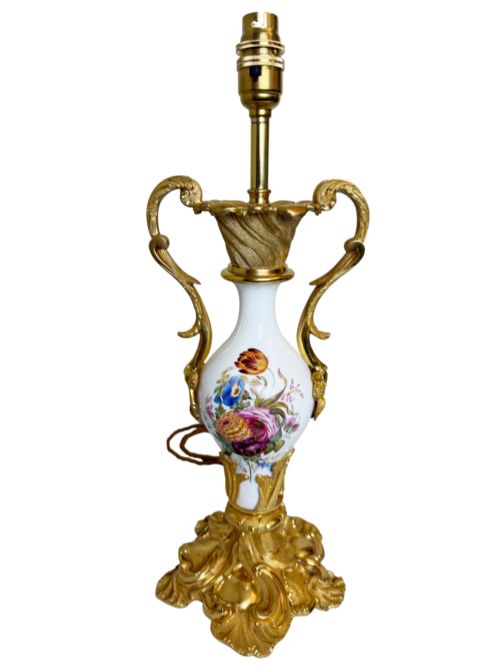
The objects most frequently met on this page are nineteenth-century creations and earlier vessels converted during subsequent decades. You will encounter blue and white crackle ware, hand-painted floral motifs, and rich gilt bronze mounts that elevate a utilitarian container into an ornamental centrepiece. Many examples survive as matched pairs, giving symmetry and presence to a room scheme.
The origins stretch across diverse global kilns, from Edo period Japan to Victorian England and nineteenth-century France. While some items began life as decorative jars, urns or ginger pots, others were conceived specifically as lamps during the Edwardian or later periods. This mix of domestic pottery and export porcelain provides a wide range of silhouettes, from slender baluster forms to substantial, rounded vessels.
Materials and construction
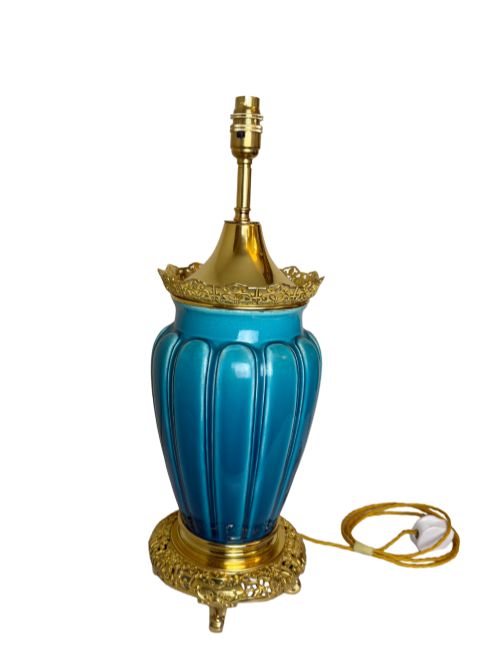
The foundational body of each light relies on fired ceramic, porcelain, ironstone, or pottery, shaped by hand or wheel before glazing and painting. Artisans applied intricate hand-painted details, cobalt blues, polychrome enamels, or crackle glazes directly to the clay surface, often firing the pieces multiple times to fix the colours. These vessels frequently incorporate metal elements such as ormolu, brass, or gilt bronze mounts, which frame the ceramic neck and base to provide stability and structural support for the electrical components.
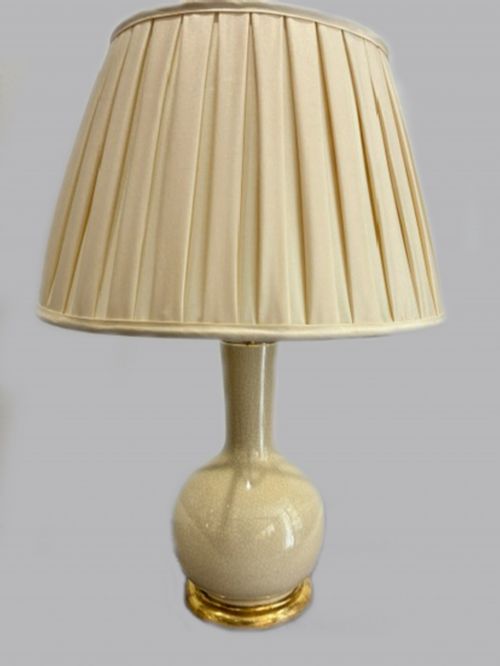
Conversion from a vase to a lamp required careful adaptation, typically involving drilled bases or fitted hardware secured through the centre of the vessel to hold the wiring and bulb holder. Textile elements complete the construction on many pieces, paired with silk or fabric shades that complement the tones of the ceramic body below.
Several vases began their journey as Ming-style ginger jars before diligent Victorian electricians gave them a glowing promotion to the drawing room.
Distinctions in quality
Quality rests significantly on the artistry of the ceramic painting and the fidelity of the period style. Superior examples display crisp, hand-painted brushwork with deep, lustrous glazes and precise detailing, whereas lesser pieces show flatter, mechanical transfer printing.
The integration of the metal mounts plays a vital role in the overall execution. Finer urn lights use heavy, finely chased ormolu and gilt bronze fittings that hug the contours of the ceramic securely, while simpler versions rely on plain brass or unadorned hardware that lacks sculptural depth.
The Vintage Ceramic Urn Light Glossary
- Ormolu
- Gilt bronze mounted onto decorative objects, providing a bright, golden accent to the ceramic body. This technique was widely utilised in French lighting design.
- Satsuma
- Japanese earthenware pottery featuring a distinctive crackled ivory glaze decorated with polychrome enamels and gilt. These wares became highly sought after in the West during the nineteenth century.
- Imari
- A style of Japanese porcelain featuring deep underglaze blue and iron red highlights, often accented with gold. Named after the port from which these goods were shipped to Europe.
- Baluster
- A vase or lamp body shaped with a rounded lower portion tapering toward a narrow neck. This classical silhouette provides stability on a table.
- Majolica
- Tin-glazed earthenware known for vibrant, opaque colours and rich surface decoration. Italian examples appear frequently among antique lighting.
Vintage Ceramic Urn Light: Frequently Asked Questions
How do I clean a ceramic lamp base?
Dust the ceramic body gently with a soft, dry microfibre cloth to remove everyday particles. Avoid harsh chemical cleaners or excess water, particularly around painted surfaces and gilt mounts.
For stubborn marks on glazed porcelain, dampen the cloth slightly with plain water and dry the surface immediately. Take care not to get moisture near the electrical components or wiring.
Where should I place an urn lamp?
These substantial pieces anchor a room best when placed on sturdy side tables, sideboards, or large consoles where their height and decorative weight can be appreciated. They provide warm, ambient illumination in living spaces or hallways.
Ensure the surface is level and capable of supporting the combined weight of the heavy ceramic body and metal mounts.
How do I identify Japanese Satsuma ware?
Look for a fine, network-like crackle glaze across an ivory-coloured earthenware body, typically layered with intricate enamel painting and gold leaf. These pieces often depict traditional figures, landscapes, or floral motifs.
Examining the base may reveal maker marks or signatures painted in iron red or gold, which help date the piece to the Meiji period or later.