

Vintage Ceramic Stand
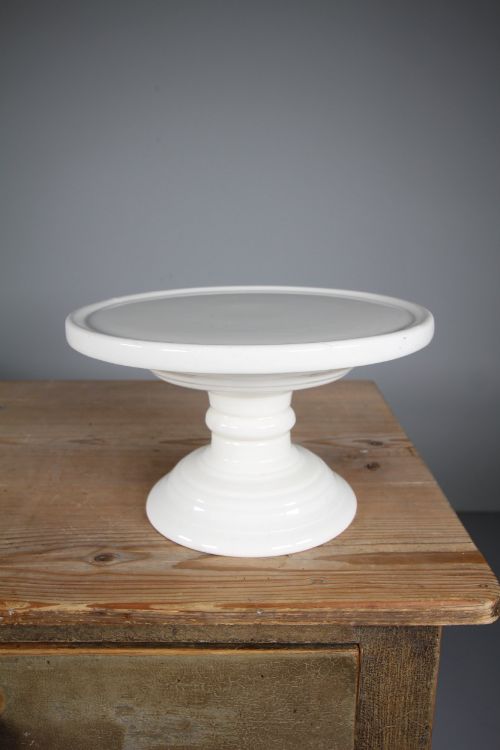
A vintage ceramic stand offers a functional base or display platform, bringing period craftsmanship and utility to domestic spaces through diverse historic forms.
Vintage Ceramic Stand
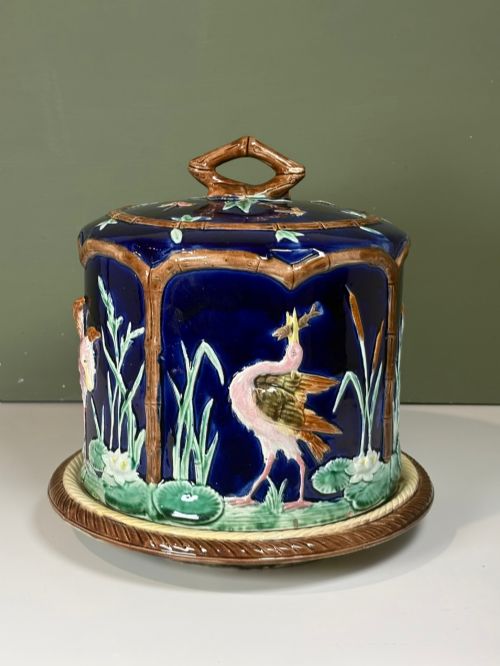
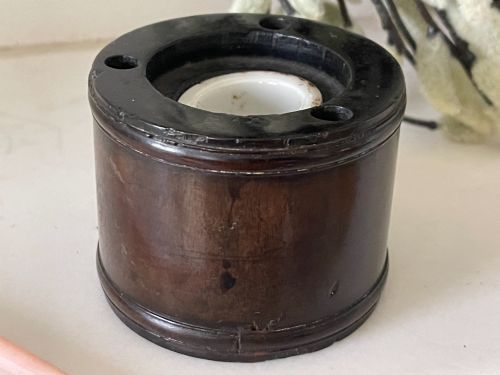
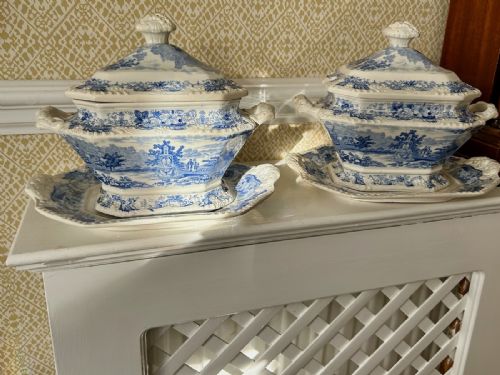
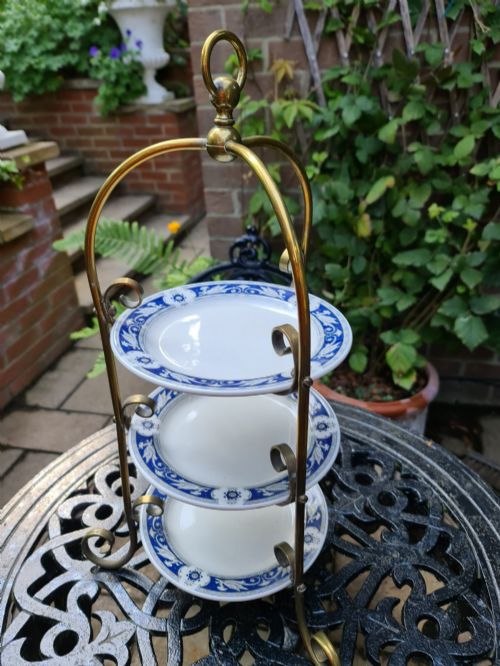
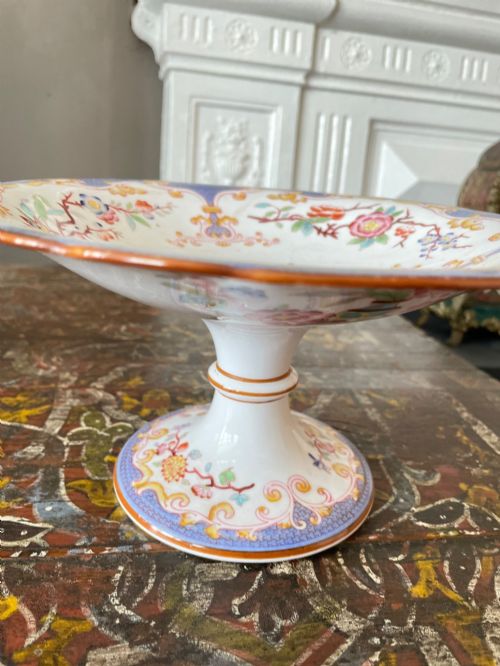
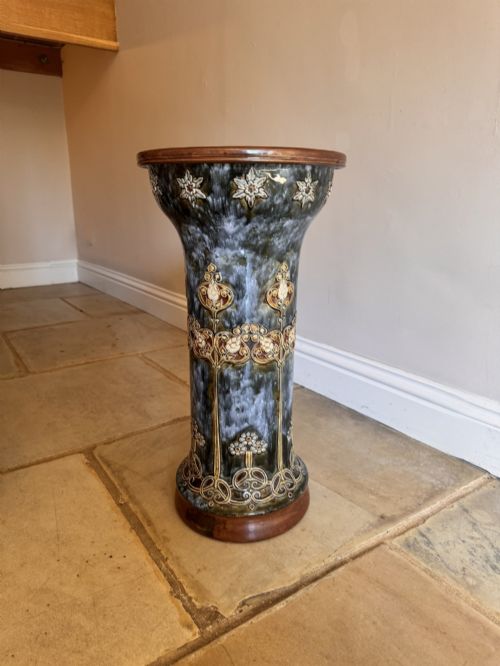
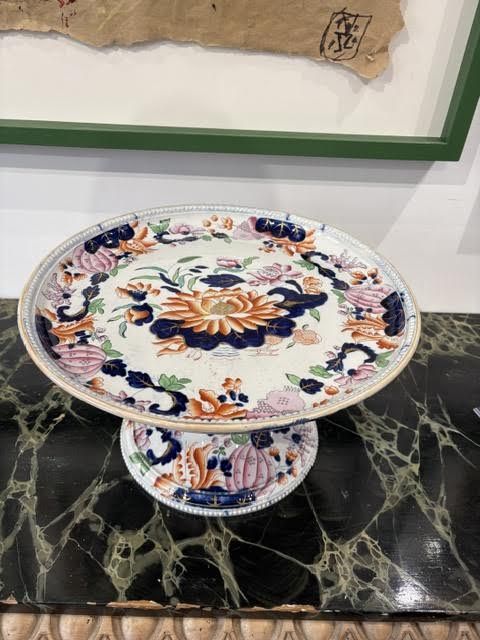
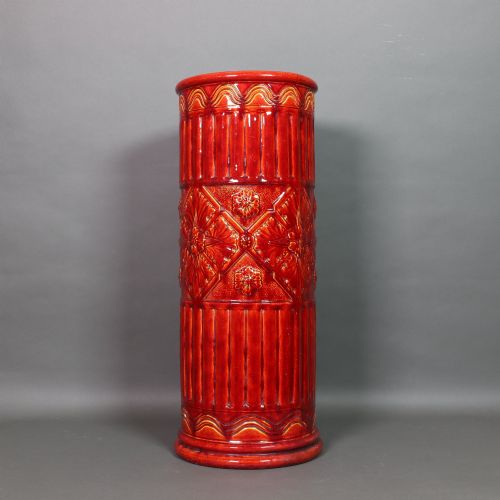
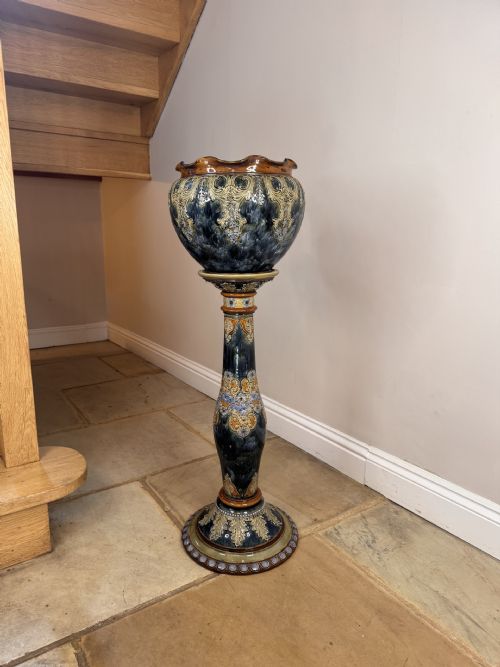
When browsing for a vintage ceramic stand, collectors encounter a varied selection of utilitarian and decorative objects spanning the nineteenth and early twentieth centuries. These items encompass jardiniere pedestals, umbrella holders, stick stands, cheese domes with matching bases, cache pots, and desktop inkwells originating from diverse European and Asian traditions.
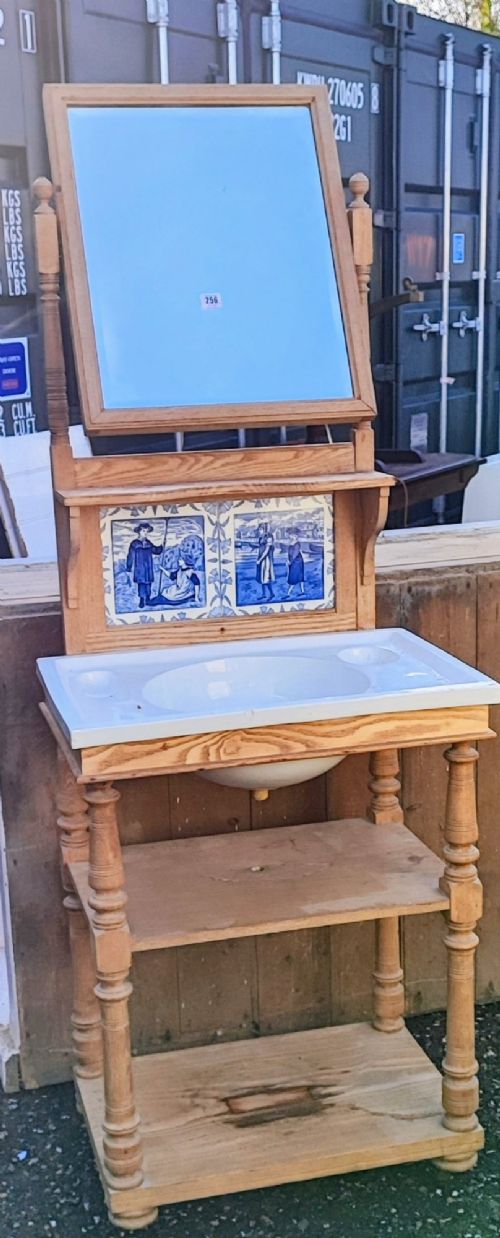
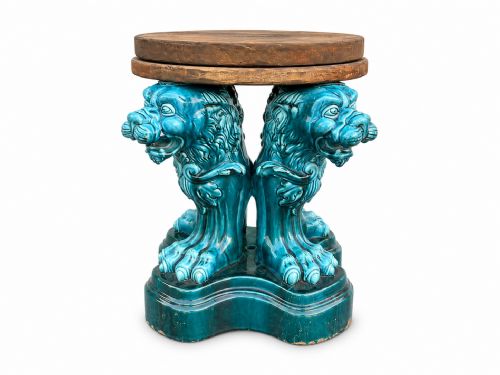
The objects frequently combine ceramic basins or bodies with integrated stands, or function independently to elevate heavier vessels, plants, and serving pieces. Examples range from large majolica plant stands adorned with figural elements to delicate porcelain inkstands mounted on brass bases and earthenware stick stands designed for hallway use.
Period production bridges several aesthetic movements, including Victorian, Edwardian, Art Nouveau, and Aesthetic styles. Pieces incorporate regional manufacturing characteristics from English potteries, continental European workshops, and Chinese export kilns, reflecting the broad utility of ceramic supports in historic interiors.
How they were made
Makers utilised plastic ceramic bodies, including earthenware, stoneware, terracotta, ironstone, and porcelain, shaped by throwing, moulding, or casting. Many larger architectural pieces, such as majolica jardiniere stands and saltglaze barrels, required robust clay formulas to support substantial weight without warping during firing.
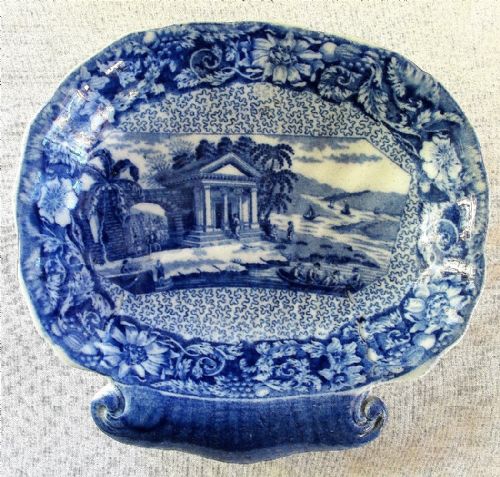
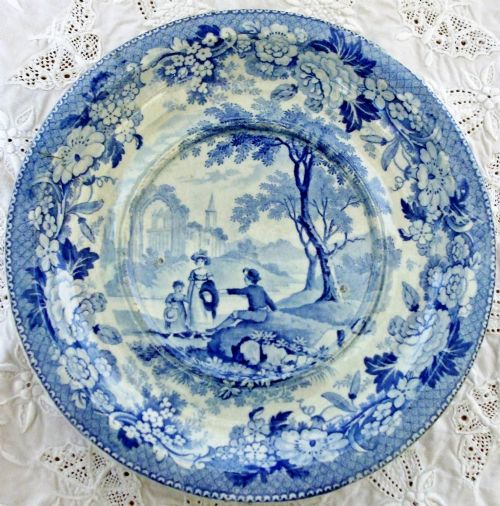
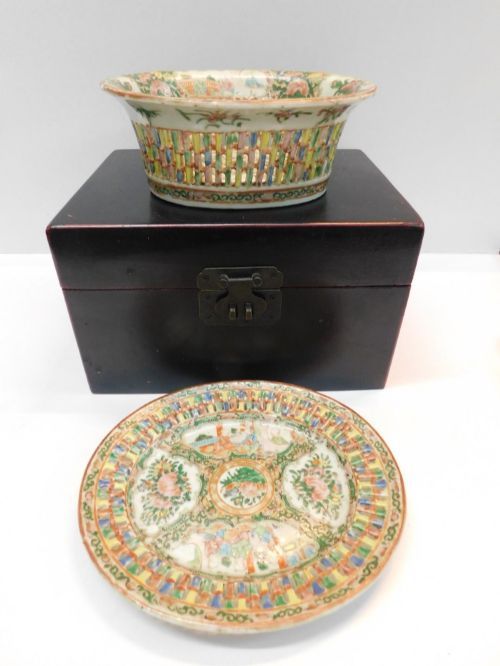
Surface decoration relied on coloured glazes, enamel painting, transfer printing, and hand-applied relief elements like foliage or figurative motifs. Glaze application varied from opaque tin opacifications in Delft wares to rich polychrome majolica lead glazes and Famille Rose enamels fired onto porcelain surfaces.
Vintage Ceramic Stand Retail Price Guide 2026
Typical asking prices for vintage ceramic stand among the pieces listed under this phrase on Sellingantiques today, from the lower quarter to the upper quarter. They describe what is for sale here now, not the wider market.
Listings feature ceramic stands spanning the nineteenth century through the Edwardian period, incorporating earthenware, ironstone, and terracotta materials.
What varies in quality
Distinctions in quality rest upon the crispness of moulded detail, the control of the glaze firing, and the sophistication of hand-painted or applied ornamentation. Superior examples display sharply defined relief decoration, evenly distributed colour without pooling or crawling in the glaze, and harmonious proportions between the stand and its primary vessel.
The integrity of composite items also dictates overall standard, particularly where ceramic components meet secondary materials like brass bases, wooden frames, or cast iron supports. Expert execution in both the ceramic body and its structural mount distinguishes master potteries from standard commercial production.
Royal Doulton·Burmantofts Faience·Coalbrookdale·Nymphenburg·Hicks And Meigh·George Jones·Wedgwood·Enoch Wood And Sons·Schierholz Plaue
The Vintage Ceramic Stand Glossary
- Jardiniere
- A large ceramic or pottery bowl intended for holding plants or flowers, frequently paired with a matching pedestal or stand.
- Majolica
- A type of earthenware covered with an opaque tin-lead glaze and decorated with brightly coloured metal oxide pigments.
- Ironstone
- A dense, durable type of semi-vitrified earthenware first patented in the nineteenth century as a robust alternative to porcelain.
- Cache pot
- An ornamental flowerpot outer case designed to conceal a plain plant pot underneath.
- Faience
- European tin-glazed earthenware, particularly that produced in France, Germany, or associated with specific aesthetic movement revivals.
Vintage Ceramic Stand: Frequently Asked Questions
What were ceramic umbrella stands used for?
These tall vessels occupied entrance halls and corridors, providing a durable ceramic receptacle to hold wet walking sticks and umbrellas.
The glazed interior surfaces prevented moisture from damaging surrounding wooden floors while keeping hallway accessories organised.
How do I care for antique ceramic stands?
Dust these pieces regularly with a soft cloth and clean surfaces gently using mild soap and water when necessary.
Avoid harsh chemical cleaners or abrasive scouring pads that might damage historic glazes, enamels, or delicate applied details.
Can jardiniere stands hold heavy plants?
Most ceramic jardiniere stands and pedestals from the nineteenth and early twentieth centuries were engineered to support substantial weight.
However, users should check the structural stability of any associated wooden or cast iron mounts before placing heavy earth and plants atop them.
How can I distinguish majolica stands from other ceramics?
Majolica is characterised by its heavy earthenware body covered in vibrant lead glazes that pool richly in relief details.
Designs often incorporate naturalistic motifs like leaves, flowers, animals, and figural elements typical of Victorian and later revival periods.