




Vintage Ceramic Service
A vintage ceramic service gathers matching plates or pots for the table, offering complete settings from the Victorian era to Art Deco.
Vintage Ceramic Service
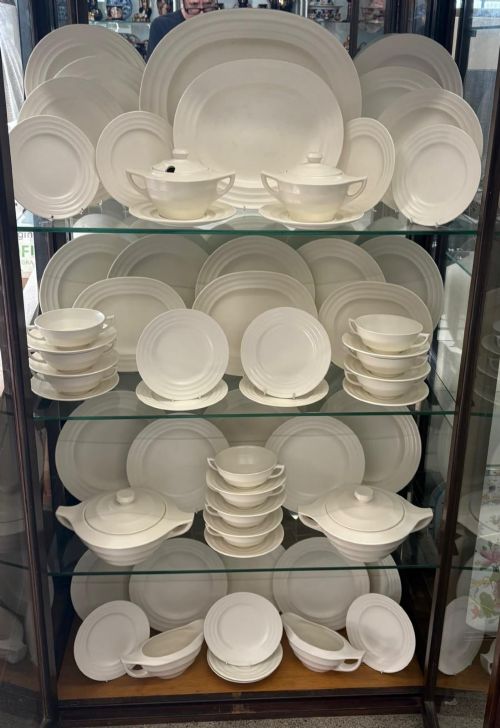
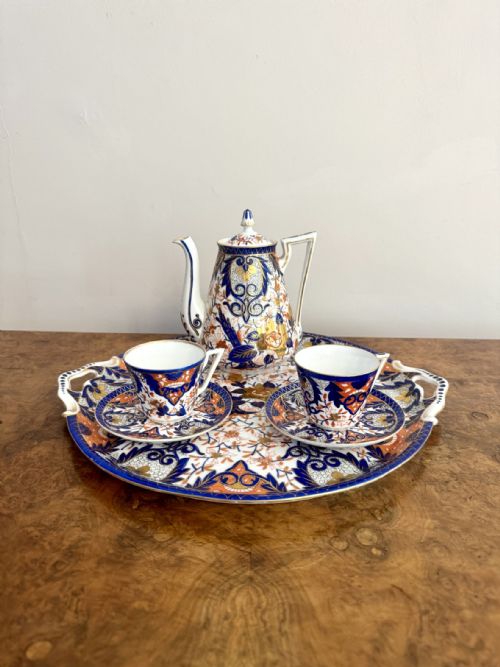
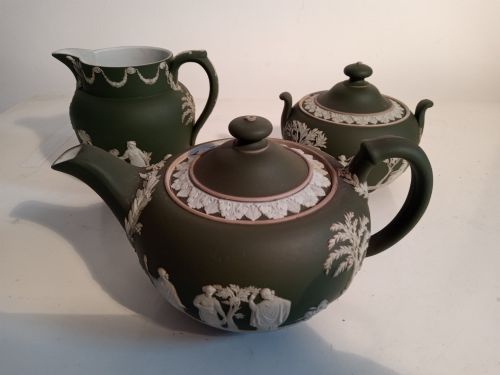
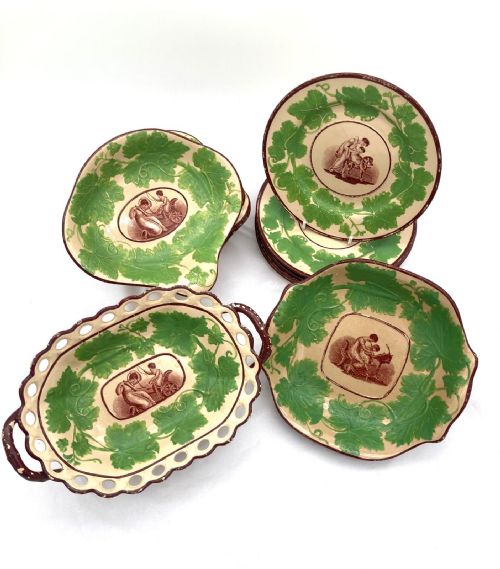
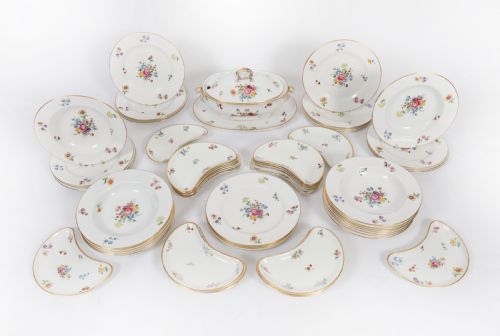
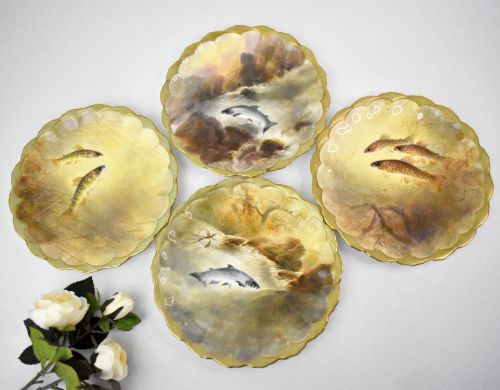
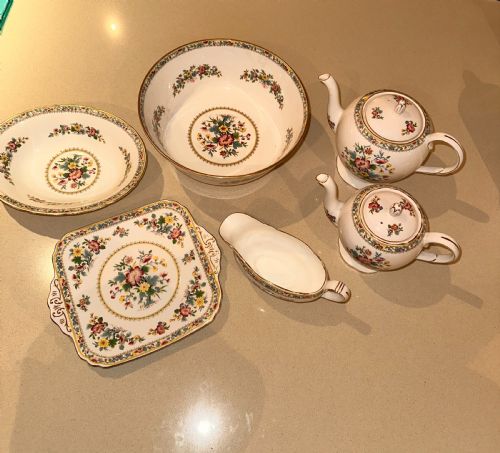
A vintage ceramic service comprises matched sets for tea, coffee, dinner, or dessert, spanning the nineteenth and twentieth centuries. The listings show extensive dinner services, afternoon tea sets, and specialist dessert plates originating from English potteries and European houses.
Buyers frequently encounter comprehensive nineteenth-century earthenware and porcelain table services alongside twentieth-century porcelain tea sets. These gatherings range from small bachelor tea sets to large sixty-piece dinner collections created for formal dining.
Materials and Technique
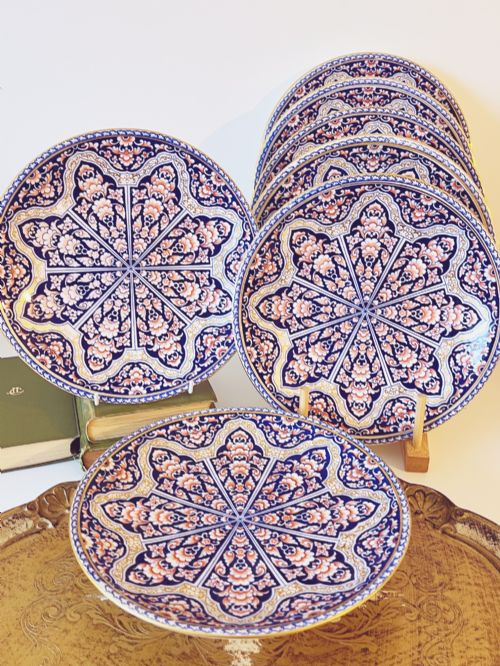
Potters shaped bone china, earthenware, and porcelain using traditional throwing and moulding techniques before applying glaze and hand-painted or transferred patterns. Many pieces incorporate gilt and gold leaf accents to highlight rims and handles.
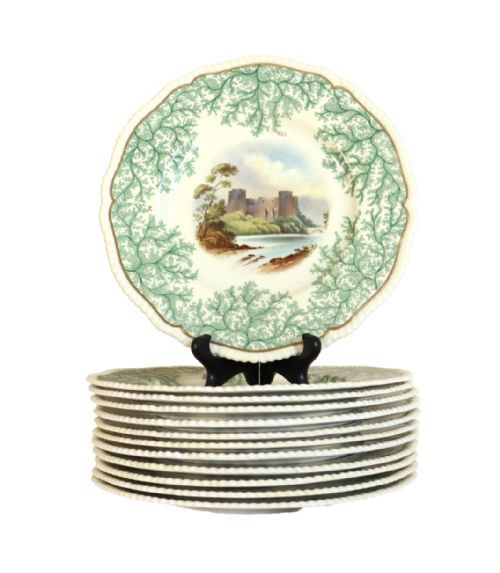
Makers utilised specialised bodies such as ironstone and felspar porcelain to achieve durable tablewares. Artisans then decorated these surfaces with motifs ranging from botanical border prints to geometric Art Deco designs.
Vintage Ceramic Service Retail Price Guide 2026
Typical asking prices for vintage ceramic service among the pieces listed under this phrase on Sellingantiques today, from the lower quarter to the upper quarter. They describe what is for sale here now, not the wider market.
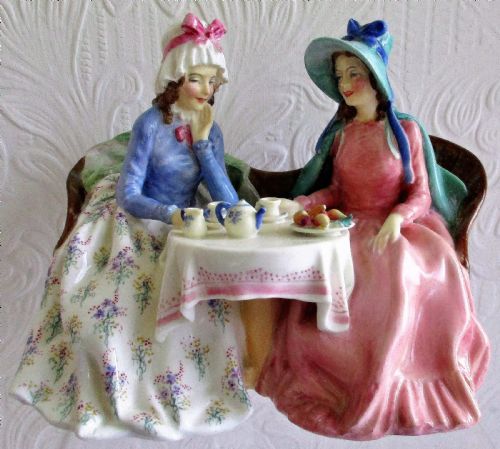
Several tea sets include dedicated receptacles just for bachelor use, proving that afternoon indulgence requires no company.
Standards of Production
Distinction in these services rests upon the crispness of the moulding and the execution of the hand-painting. Superior sets display meticulous brushwork and evenly applied glaze without pooling or distortion.
The completeness of a service and the preservation of its original gilt details dictate the standing of a set. Cohesion across every individual plate and cup separates standard utilitarian ware from finer cabinet pieces.
Wedgwood·Royal Doulton·Royal Crown Derby·Coalport·Clarice Cliff·Shelley·Spode·Müller Volkstedt
The Vintage Ceramic Service Glossary
- Bone china
- A type of porcelain containing animal bone ash. This material yields a strong, bright white body suited to delicate tableware.
- Earthenware
- Porous pottery fired at lower temperatures than porcelain. It requires an opaque glaze to hold liquids.
- Gilt
- A thin layer of gold applied to ceramic surfaces. It typically outlines rims, handles, and decorative borders.
- Sucrier
- A small covered sugar bowl designed for tea and coffee services. It matches the teapot and cups in pattern and material.
- Comport
- A raised dish or bowl placed centrally on a table for serving fruit or dessert. These stand on a distinct foot or pedestal.
Vintage Ceramic Service: Frequently Asked Questions
How do I care for a vintage ceramic service?
Wash each piece by hand using mild detergent and warm water to protect fragile painted motifs and gold leaf details. Avoid sudden temperature changes to prevent thermal shock in older ceramics.
Store plates with felt dividers between them and keep pots unstacked to protect spouts and handles from chipping.
Are these services suitable for daily use?
Many nineteenth and twentieth-century services function well for occasional dining, provided owners hand-wash them carefully. Older earthenware and hand-painted porcelain require gentle handling during meals.
Consider the presence of delicate gilt work and glaze crazing when deciding whether to use a set for regular dining or display.
How are different periods identified?
Makers marks stamped or painted on the underside provide the most reliable guide to a service's date and origin. Style indicators such as Victorian transfer printing or Art Deco geometric forms also point to specific decades.
Comparing ceramic bodies and glaze characteristics helps distinguish early nineteenth-century pieces from later twentieth-century productions.
What is the difference between tea and coffee sets?
Tea services typically feature wider cups designed to cool hot infusions quickly, accompanied by a matching teapot, creamer, and sucrier. Coffee sets employ taller, narrower pots and smaller cups suited to concentrated brews.
Dinner and dessert services focus on flatware such as plates and comports rather than drinking vessels.