





Vintage Ceramic Saucer
These vintage ceramic saucer pieces bring domestic history to the table, offering utility and traditional craft for daily use or display.
Vintage Ceramic Saucer
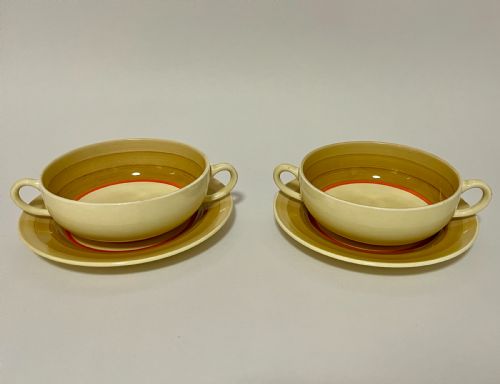
A vintage ceramic saucer forms part of a wider tradition of tea and coffee wares, appearing across this page in formats ranging from standalone dishes to full services. Buyers encounter pieces spanning the Georgian, Victorian, and Edwardian eras, alongside later twentieth-century iterations.
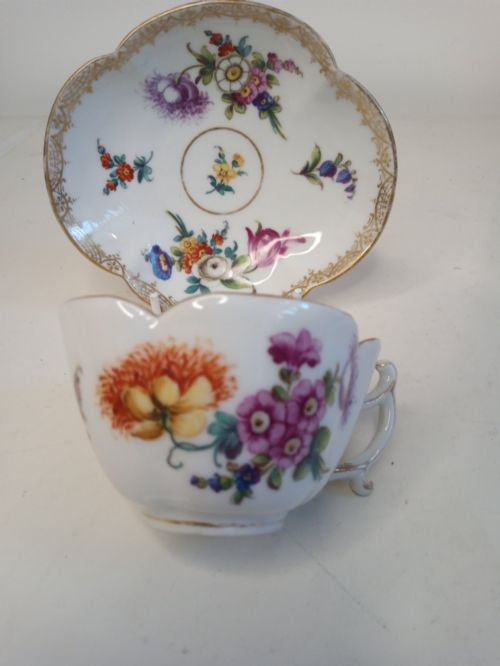
The selections include individual hand-painted cups and saucers, complete breakfast trios, and larger afternoon tea sets originating from English, European, and Asian kilns. Bone china and porcelain dominate the selection, shaped primarily for dining, social hosting, and cabinet display.
How They Were Made
Potters shaped these objects using hard-paste and soft-paste porcelain, alongside refined bone china and standard ceramic bodies, firing the clay at high temperatures to achieve durability. Artisans then applied underglaze pigments or enamel paint by hand before subsequent firings to fix the colours.
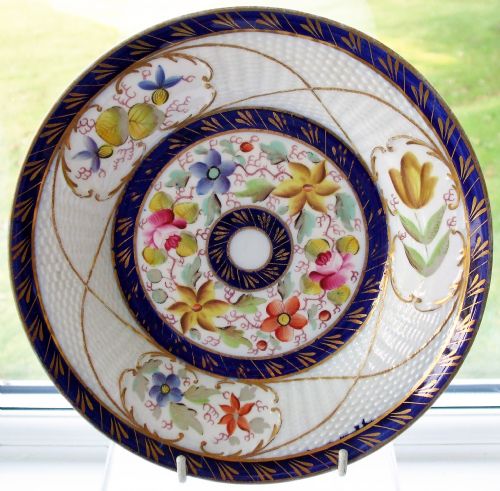
Many examples incorporate gold leaf, gilding, or gold gilt applied to the rims and cavetto, requiring precise brushwork and careful kiln control. Enamel decoration ranges from botanical studies and fruit motifs to intricate transfer-printed and hand-painted patterns.
Vintage Ceramic Saucer Retail Price Guide 2026
Typical asking prices for vintage ceramic saucer among the pieces listed under this phrase on Sellingantiques today, from the lower quarter to the upper quarter. They describe what is for sale here now, not the wider market.
Fish occasionally swim across the tea table through twin koi motifs painted on nineteenth-century Japanese saucers.
What Varies in Quality
Quality rests upon the precision of the hand-painted brushwork and the clarity of the underlying porcelain body, distinguishing factory work from skilled studio output. Finer pieces demonstrate superior translucency in the china and controlled application of gold leaf.
The distinction between standard domestic wares and superior items lies in the complexity of the glaze chemistry, the depth of the enamels, and the crispness of moulded details such as bat wing or fluted rim treatments.
Clarice Cliff·Royal Worcester·Royal Albert Crown China·KPM Berlin·Meissen·Coalport
The Vintage Ceramic Saucer Glossary
- Bone china
- A type of soft-paste porcelain incorporating animal bone ash, producing a strong, milky-white body with high translucency. This material allowed makers to produce thinner, more delicate walls.
- Demitasse
- A small cup used for serving espresso or Turkish coffee, typically paired with a matching saucer. These miniature vessels often carried intense decorative gilding.
- Gilt
- A thin layer of gold applied to the surface of ceramic bodies for decoration. It provides metallic contrast against painted enamel grounds.
- Imari
- A style of ceramic decoration originating in Japan and later copied by European factories, characterised by a palette of underglaze blue, iron red, and gold. Designs typically feature dense floral and geometric motifs.
- Trio
- A matched set comprising a teacup, a saucer, and a corresponding side or tea plate. These sets formed the standard unit for formal afternoon tea service.
Vintage Ceramic Saucer: Frequently Asked Questions
How do I date a saucer?
Dating relies on maker marks stamped or painted on the underside, combined with stylistic cues such as handle shapes and glaze colours. Factory archives provide specific year ciphers and pattern numbers.
Material composition also assists attribution, as early porcelain bodies differ significantly in weight and translucency from later bone china or standard ceramics.
Can I use these daily?
Most porcelain and bone china items withstand careful daily use, provided they are washed by hand rather than placed in a machine. Modern detergents and thermal shock can damage historic enamel and gilding.
Items featuring delicate gold leaf or hand-painted enamels benefit from gentle handling and storage away from abrasive surfaces.
What is a tea trio?
A tea trio consists of three matching ceramic components designed for formal service: a teacup, a saucer, and a small plate for cakes or bread. These matched sets became popular during the nineteenth century.
Collectors often seek complete trios to reconstruct historical table settings or display unified decorative schemes.
Are cups and saucers always sold together?
While many listings offer paired cups and saucers or larger sets, collectors frequently find individual saucers or replacement dishes. Saucers often survived separately from their matching cups due to breakage.
Matching disparate items requires careful comparison of paste types, glaze tones, and factory marks to ensure visual harmony.