


Vintage Ceramic Plant Stand
A vintage ceramic plant stand brings sculptural greenery indoors, offering robust support and rich nineteenth-century colour to a room.
Vintage Ceramic Plant Stand
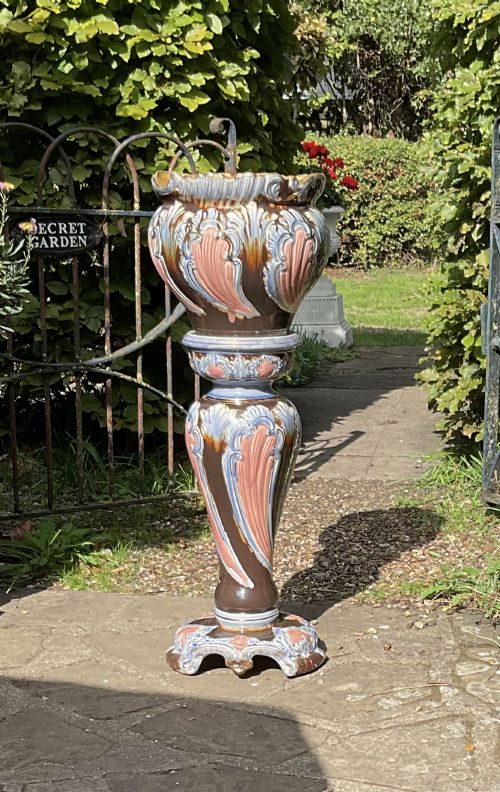
A vintage ceramic plant stand is a heavy, decorative support designed to elevate flora, encompassing jardinières, cachepots, and garden seats. These pieces range from nineteenth-century earthenware and Majolica to porcelain and faience styles.
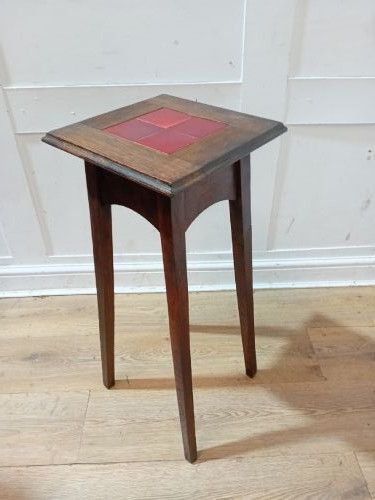
The selections available here lean heavily towards Victorian and Art Nouveau aesthetic movements, alongside Chinese barrel garden seats and earthenware cachepots. Buyers will encounter various forms, including naturalistic pottery planters and ceramic-tiled timber tables.
Makers and potteries from England and Europe shape the core of these offerings, spanning periods from Regency to the early twentieth century. Each object combines sturdy function with ornamental display for interior and conservatory spaces.
Materials and construction
Pottery, earthenware, and porcelain form the primary ceramic bodies, often finished with coloured glaze or majolica techniques. Artisans shaped these clays into naturalistic planters, barrel seats, and jardinières.
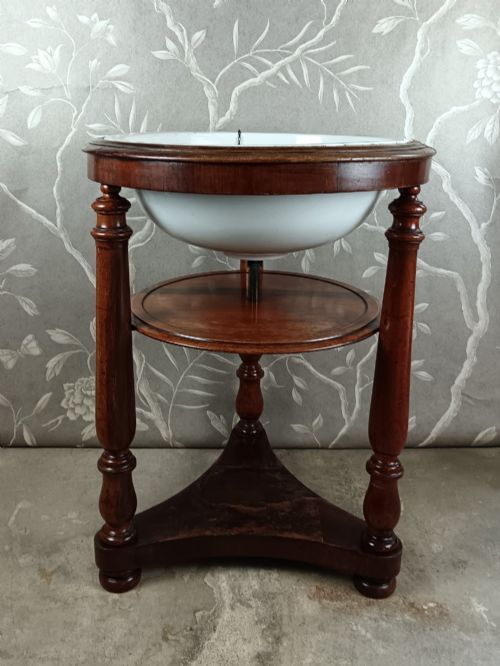
Secondary materials such as oak, mahogany, and brass appear in tables and frames designed to house ceramic tiles or metal-lined flower pots. These timber structures utilise traditional joinery to support heavy earthenware vessels.
Glazing methods dictate the surface finish, ranging from bright blue and white Chinese porcelain to the rich, glossy coatings characteristic of Victorian art pottery and Julius Dressler productions.
Listings feature nineteenth-century earthenware and porcelain alongside oak and mahogany stands inset with decorative tiles.
Evaluating craftsmanship and condition
Quality rests in the precision of the ceramic moulding and the depth of the glaze, where hand-painted details and crisp relief work distinguish finer pieces. Superior examples show careful control during firing, avoiding warping or dull colouration.
The integrity of combined materials matters greatly in stands featuring timber and brass alongside the ceramic vessel. Original frames and intact mounts elevate the piece above later replacements or poorly fitted repairs.
Enoch Wood And Sons·Julius Dressler·Royal Worcester·Woodlesford Art Pottery
The Vintage Ceramic Plant Stand Glossary
- Jardiniere
- An ornamental ceramic pot or stand designed to hold flowers or growing plants. They sit independently on the floor or rest upon dedicated pedestals.
- Cachepot
- A decorative outer pot that conceals a plain flower pot inside. These ceramic vessels prevent water damage to furniture surfaces.
- Majolica
- A type of earthenware coated with an opaque white tin glaze and painted with metallic oxide colours. It enjoyed immense popularity during the Victorian era for bright, naturalistic designs.
- Faience
- Tinned earthenware decorated with coloured glazes, often associated with European art pottery studios. The technique produces a smooth, glossy surface.
- Gres
- French term for stoneware, denoting a dense, vitrified ceramic body fired at high temperatures. It offers durability and resistance to moisture.
Vintage Ceramic Plant Stand: Frequently Asked Questions
How do I clean a vintage ceramic plant stand?
Wipe the glazed ceramic surface gently with a soft, damp cloth to remove dust. Avoid harsh chemical cleaners that might damage historical glazes.
For wooden or brass components attached to the stand, use appropriate mild polishes while keeping moisture away from unsealed timber joints.
Can I use these stands outdoors?
Most antique and vintage ceramic pieces are better suited for indoor or conservatory use. Frost and extreme weather can crack older earthenware and damage historic glazes.
Keep them protected from harsh elements to preserve the integrity of the clay and any accompanying woodwork.
How do I date a ceramic plant stand?
Examine the base for maker marks, impressed potteries stamps, or registration numbers. Stylistic clues like Art Nouveau curves or Victorian naturalism also help narrow the period.
Construction methods in the timber frames or the type of glaze applied provide further evidence of manufacturing era.
Are cachepots and jardinières the same thing?
A cachepot specifically acts as an outer container to hide a working plant pot, whereas a jardinière often holds soil or plants directly. Both serve an ornamental function in period interiors.
Many antique examples feature matching stands or pedestals to elevate them from the floor.