


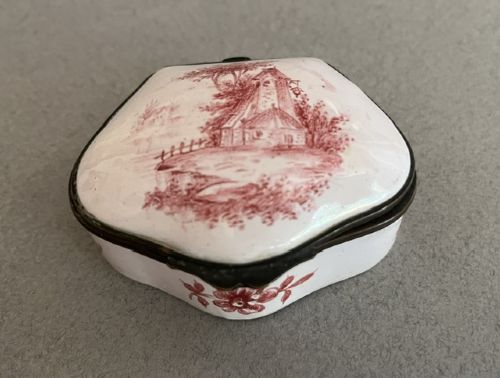


Vintage Ceramic Container
A vintage ceramic container holds dry goods, tobacco, or powder, bringing period utility and craftsmanship directly into domestic spaces.
Vintage Ceramic Container
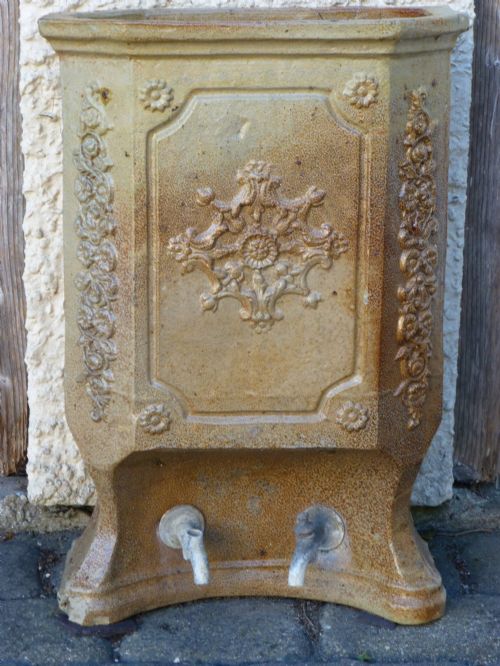
A vintage ceramic container encompasses utilitarian crocks, decorative ginger jars, biscuit barrels, and vanity powder boxes gathered from European and Asian workshops. These vessels span from eighteenth-century salt-glazed water filtration fountains and Dutch delft tobacco jars to nineteen-thirties porcelain figural powder bowls.
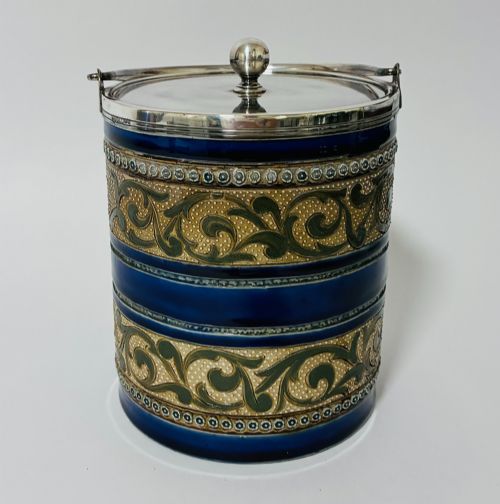
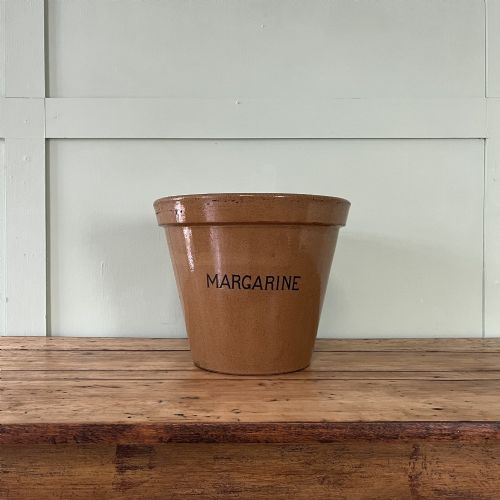
The domestic selection on this page leans toward nineteenth-century Victorian biscuit barrels with silver plate fittings, Edwardian stoneware margarine bowls, and twentieth-century porcelain dressing table jars. Each piece reflects the functional storage needs and decorative tastes of its specific decade.
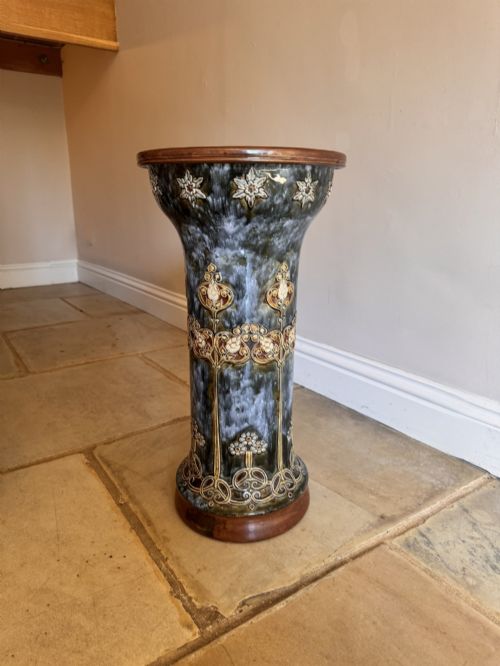
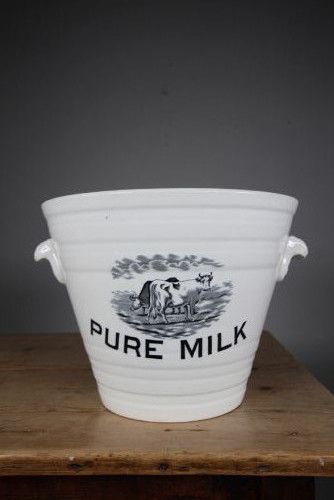
Makers ranged from large industrial potteries such as Doulton Lambeth and Wedgwood to Continental porcelain studios and Japanese Meiji period export kilns. Buyers find diverse forms that served specific historical domestic roles, from dairy pails and apothecary jars to boudoir trinket boxes.
How they were made
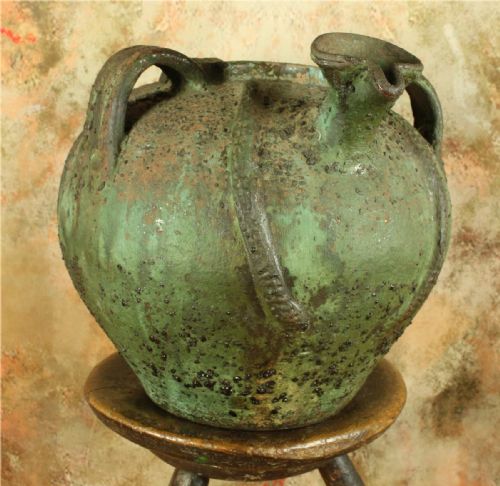
Potters utilised earthenware, stoneware, ironstone, and porcelain bodies, shaping them on wheels or casting them in moulds before applying glazes. Stoneware pieces often received salt glazing or simple slip decoration for durability, while fine porcelain vessels were painted with underglaze blue, enamel colours, or gold leaf.
Metal mounts in silver plate and brass were frequently added to biscuit barrels, jars, and trinket boxes to secure lids and provide functional handles. These mixed-media constructions combine ceramic body shaping with metalworking techniques characteristic of Victorian and Edwardian manufacturing.
Vintage Ceramic Container Retail Price Guide 2026
Typical asking prices for vintage ceramic container among the pieces listed under this phrase on Sellingantiques today, from the lower quarter to the upper quarter. They describe what is for sale here now, not the wider market.
Listings feature ceramic containers spanning from eighteenth-century European delftware and salt-glazed stoneware to nineteen-thirties Art Deco porcelain powder boxes.
What varies in quality
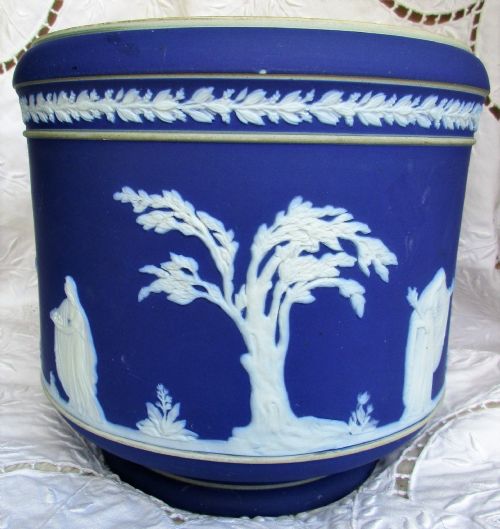
Quality rests in the crispness of the moulding, the depth and execution of hand-painted or transfer-printed decoration, and the preservation of original metal mounts. Finer pieces demonstrate superior control during kiln firing, resulting in even glazes and sharp details on relief work such as Jasper ware or figural half-doll lids.
The integrity of the ceramic body and the match between original lids, mounts, and bases dictate the standing of an individual vessel. Well-preserved makers' marks and registration stamps further distinguish standard commercial output from superior studio or factory productions.
Doulton Lambeth·Wedgwood·Royal Worcester·Royal Doulton·Tokyo Taizan·Limoges
The Vintage Ceramic Container Glossary
- Biscuit Barrel
- A covered ceramic vessel designed to store dry biscuits or crackers on the Victorian dining table. These items frequently incorporate silver-plated lids and swing handles.
- Stoneware
- A dense, hard ceramic fired at high temperatures until vitrified and rendered non-porous. It is commonly salt-glazed and used for durable storage crocks and water filters.
- Jasper Ware
- A fine-grained, unglazed vitreous stoneware developed by Wedgwood, typically featuring white neoclassical relief figures applied against a coloured background.
- Tobacco Jar
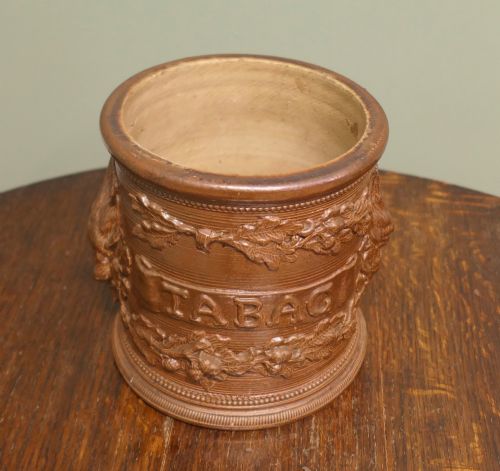
- A lidded container built to keep pipe tobacco moist and fresh. Many examples include inner wooden or ceramic lids alongside outer decorative covers.
- Flow Blue
- A nineteenth-century transfer-printing technique where cobalt blue ink blurred slightly into the surrounding white glaze during firing. This produced a misty, soft-edged aesthetic.
Vintage Ceramic Container: Frequently Asked Questions
What were antique biscuit barrels used for?
These lidded vessels sat upon dining tables and sideboards to keep dry baked goods fresh for guests and family tea services. They remained popular household accessories throughout the Victorian and Edwardian eras.
Most examples combined ceramic bodies with silver-plated rims, hinges, and swing handles for easy transport. Their decorative nature meant they doubled as attractive ornaments when not in active dining use.
How do I identify a Victorian ceramic container?
Victorian pieces often display characteristic period traits such as heavy silver-plated mounts, transfer-printed floral motifs, or rich cobalt glazes. Examining the base may reveal impressed factory marks, registration diamonds, or maker stamps specific to the nineteenth century.
Construction methods also help, as many nineteenth-century vessels relied on dense stoneware or ironstone bodies built for heavy domestic use. Stylistic cues like aesthetic movement patterns or classical revival reliefs further anchor pieces to this era.
Where should I display a vintage powder jar?
These delicate porcelain and ceramic powder boxes suit dressing tables, mantelpieces, or enclosed display cabinets where their decorative lids can be appreciated. Because many feature painted figural scenes or delicate Art Deco flapper designs, they function well as focal points in bedroom interiors.
Keeping them away from direct sunlight preserves the hand-painted enamel colours and gold detailing found on twentieth-century examples. Their compact sizes also allow them to sit safely on narrow shelf spaces.
Can stoneware containers hold liquids safely?
Historical salt-glazed stoneware crocks and water filtration fountains were engineered precisely to store and filter liquids safely. Their dense, vitrified clay bodies prevent water absorption when properly glazed.
Modern buyers should inspect individual pieces for internal hairline cracks or old repairs before attempting active domestic use with liquids. Many collectors prefer to display them dry to preserve their interior surfaces and historical integrity.