






Vintage Cathedral Artwork
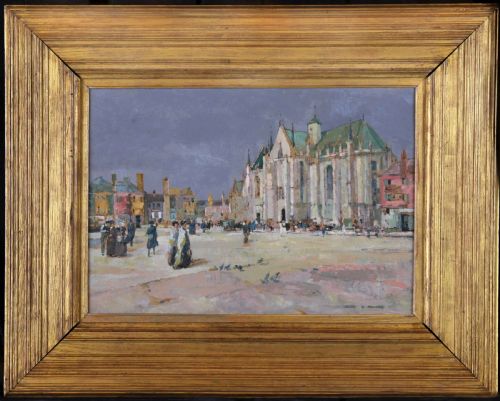
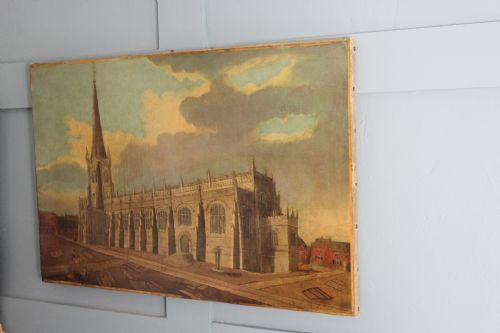
These vintage cathedral artwork pieces capture sacred architecture through oil, watercolour, and etching, bringing historic grandeur into domestic spaces.
Vintage Cathedral Artwork
Vintage cathedral artwork captures historic sacred buildings through various painting and printmaking mediums. When you search for vintage cathedral artwork, you encounter depictions ranging from nineteenth century watercolours to twentieth century oil paintings.
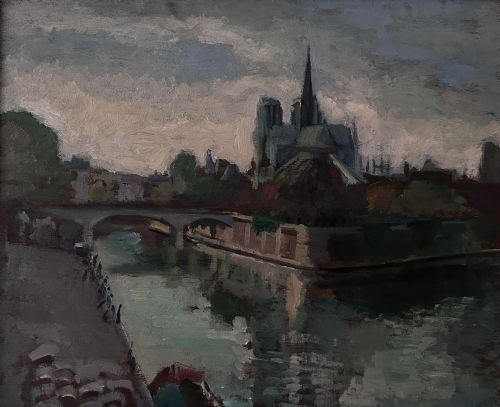
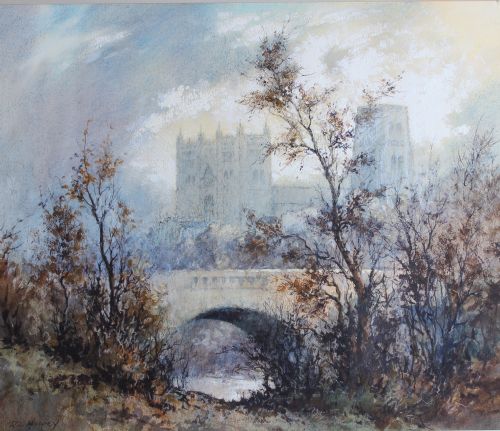
The pieces on this page focus heavily on British and European cathedrals, including depictions of Lincoln, Durham, and Notre Dame. Artists record these monumental structures in mediums such as oil on canvas, watercolour, and drypoint etching.
Most items date from the nineteenth century up to the mid twentieth century. Forms span framed oil paintings, detailed watercolours, and architectural drawings.
Materials and techniques
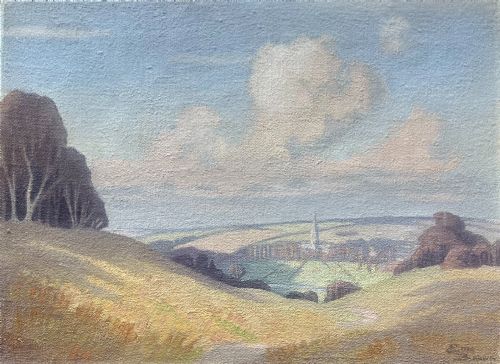
Artists utilise traditional supports such as canvas, paper, wood, and glass for their compositions. Watercolours and inks capture fine architectural lines on paper, while oil paints build rich textures on canvas and board.
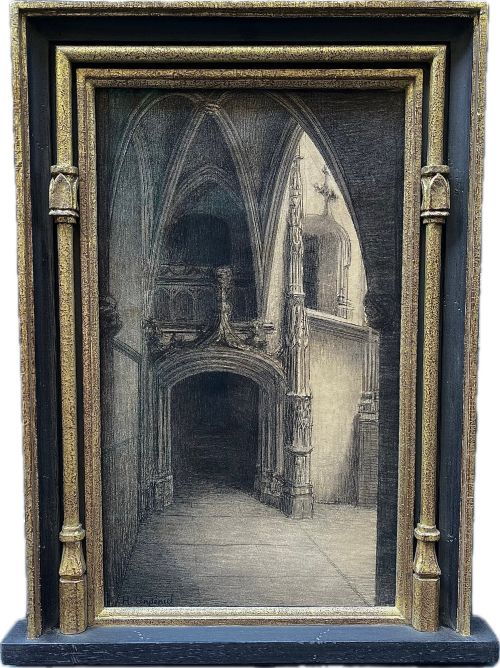
Printmakers employ drypoint etching techniques to produce sharp, detailed architectural impressions. Marquetry panels provide an alternative textural method, using inlaid wood to form the image.
Vintage Cathedral Artwork Retail Price Guide 2026
Typical asking prices for vintage cathedral artwork among the pieces listed under this phrase on Sellingantiques today, from the lower quarter to the upper quarter. They describe what is for sale here now, not the wider market.
Listings incorporate works from the 1800s, 1900s, and various decades of the 20th century, executed in oil, watercolour, canvas, and paper.
Assessing quality
Quality rests upon the artist's command of perspective and scale when rendering complex gothic architecture. Finer pieces demonstrate precise draughtsmanship in capturing intricate stonework and soaring vertical lines.
The handling of light and atmosphere elevates a composition from a mere topographical record to a compelling artistic work. Superior examples show confident brushwork or etching strokes that convey the sheer scale of the subject.
Robert Leslie Howey·Paul-Jean Anderbouhr·Leopold Halvoet·Fred Lawson·Francis Dodd·Edgar J. Maybery·Henry John Kinnaird·William Sidney Cooper·Edward Fletcher·Allan Douglass Mainds
The Vintage Cathedral Artwork Glossary
- Drypoint etching
- A printmaking process where an artist scratches a design directly onto a metal plate with a sharp needle. This technique creates a distinctive velvety burr along the lines when printed.
- Gothic Revival
- An architectural and artistic style that revives medieval forms, prominent in many of these depictions. It emphasises pointed arches, ribbed vaults, and ornate stonework.
- Watercolour
- A paint consisting of pigment suspended in a water-soluble vehicle, applied to paper to create translucent washes. It allows artists to capture shifting light on cathedral facades swiftly.
- Marquetry
- The art of applying pieces of veneer to a structure to form decorative designs. In these listings, it creates wooden pictorial wall panels.
Vintage Cathedral Artwork: Frequently Asked Questions
What periods do these artworks cover?
The selection spans from the nineteenth century through the mid twentieth century. Works reflect stylistic shifts from Victorian and Gothic Revival traditions into twentieth century modernism.
Dates range across the decades, capturing changing artistic interpretations of historic architecture over time.
Which mediums are most common?
Watercolour paintings and oil paintings form a large portion of the available selection. Artists also utilise drypoint etching, pen and ink, and charcoal.
Supports include canvas, paper, wood panels, and glass frames.
Which cathedrals appear in the artwork?
Depictions feature notable British and continental European cathedrals and churches. Subjects include Durham, Lincoln, Salisbury, Wakefield, Notre Dame, and Rouen.
Urban river views also incorporate landmarks such as St Paul's Cathedral alongside the Thames.
How are these pieces framed?
Many works arrive in period frames that complement their nineteenth or twentieth century origins. Framed drawings, prints, and oil paintings are standard formats across the listings.
Wall panels and unframed pieces also appear within the collection.