



Vintage Cat Statue
These vintage cat statue examples bring the striking poise of big cats and domestic felines into your interior.
Vintage Cat Statue
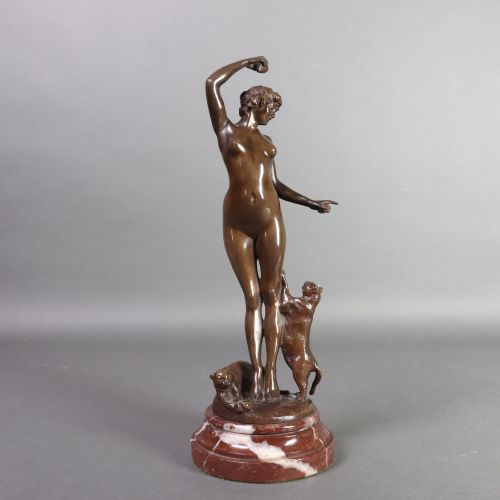
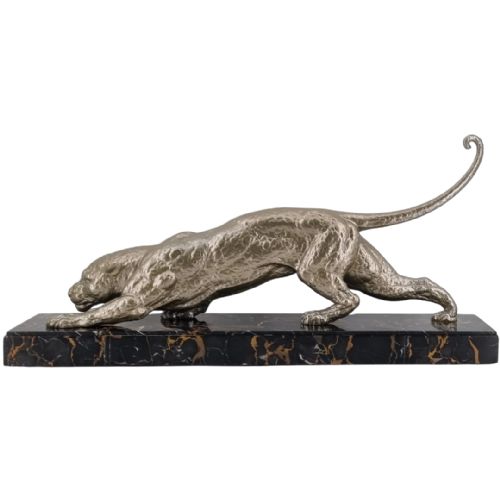
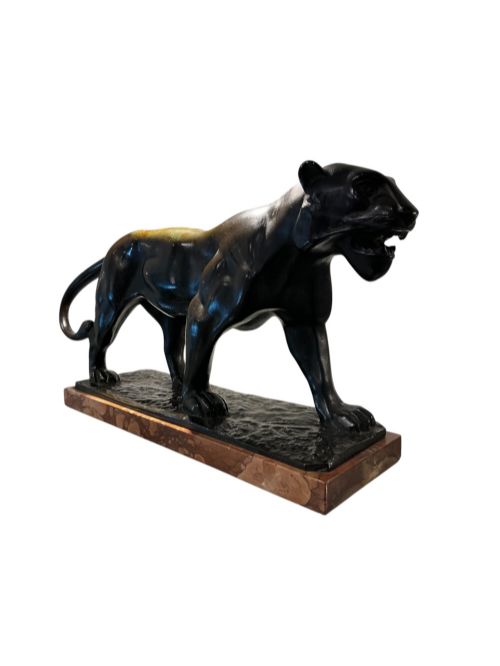
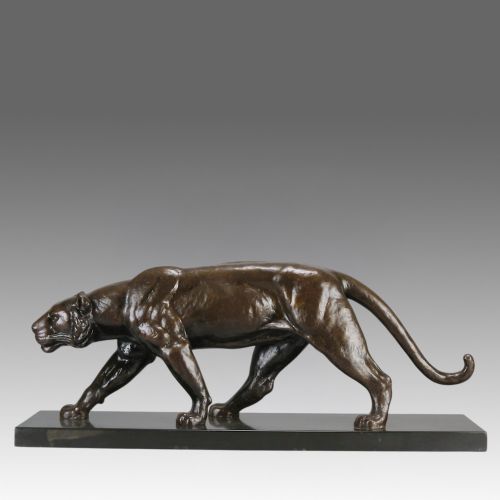
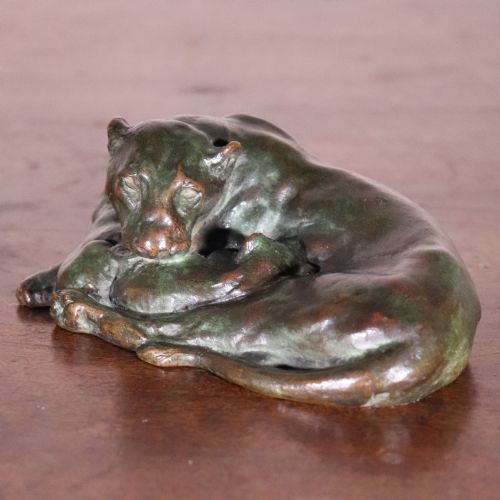
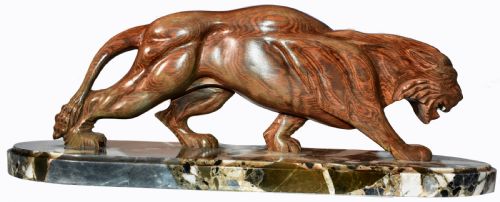
The prevailing aesthetic on this page is strongly influenced by the Art Deco movement, alongside French Animalier and 20th Century Naturalist traditions. You will frequently find pieces depicting prowling or resting big cats mounted upon heavy marble bases.
Origins span across French, Austrian, and German workshops, dating from the late nineteenth century through to the mid-twentieth century and later.
What varies in quality
The choice of secondary materials, such as genuine marble bases or inset glass eyes, elevates the visual weight and craftsmanship of the finished piece.
Vintage Cat Statue Retail Price Guide 2026
Typical asking prices for vintage cat statue among the pieces listed under this phrase on Sellingantiques today, from the lower quarter to the upper quarter. They describe what is for sale here now, not the wider market.
Some cats manage to look unimpressed in solid bronze.
Alexandre Ouline·Eugene Emile Borga·Bavent·G.Gardet·Anna Vaughn Hyatt Huntington·Michel Decoux·Louis Riche
The Vintage Cat Statue Glossary
- Animalier
- A nineteenth-century movement dedicated to the realistic portrayal of animals. Sculptors in this tradition focused on capturing creatures in motion or repose.
- Spelter
- An alloy of zinc and lead often used as a cost-effective alternative to bronze. It was widely utilised in decorative figures during the early twentieth century.
- Patination
- The chemical or natural surface treatment applied to metal sculptures. It creates coloured oxide layers that protect the surface and define sculptural depth.
- Cold painted
- A method where paint is applied to a bronze object without heat fixation. This technique was a speciality of Austrian workshops during the period.
- Alabaster
- A fine-grained mineral stone used for sculptural bases. Its translucent qualities lend a softer appearance than traditional black marble.
Vintage Cat Statue: Frequently Asked Questions
What periods do these sculptures cover?
The available pieces predominantly date from the late nineteenth century through the Art Deco era of the 1920s and 1930s, extending into mid-century works.
Art Deco examples are particularly common, reflecting the period's obsession with sleek feline forms.
How do I identify a spelter casting?
Spelter is a softer, lighter metal alloy than bronze and often shows a distinct greyish metal beneath worn painted areas. It was frequently used for affordable decorative figures mounted on marble.
Closer inspection of the underside or unpainted sections usually reveals the lighter base metal.
Where should I display a heavy marble base?
These statues require sturdy surfaces such as sideboards, heavy desks, or low mantelpieces due to the substantial weight of the marble or alabaster bases.
Ensure the furniture can safely support the combined weight of the metal figure and stone plinth.
What is the difference between Animalier and Art Deco styles?
Animalier works focus on a naturalistic, highly detailed representation of wildlife anatomy. Art Deco pieces stylise the feline form into streamlined, geometric shapes.
Both movements celebrate the power and grace of big cats but interpret them through different aesthetic lenses.