



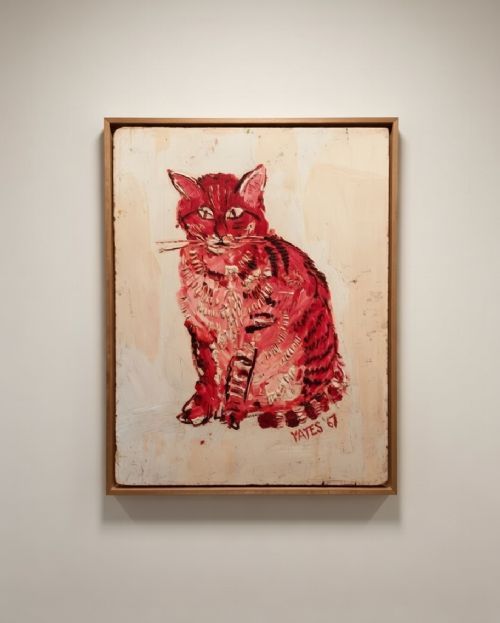
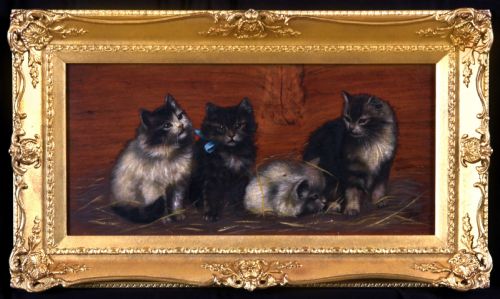
Vintage Cat Portrait
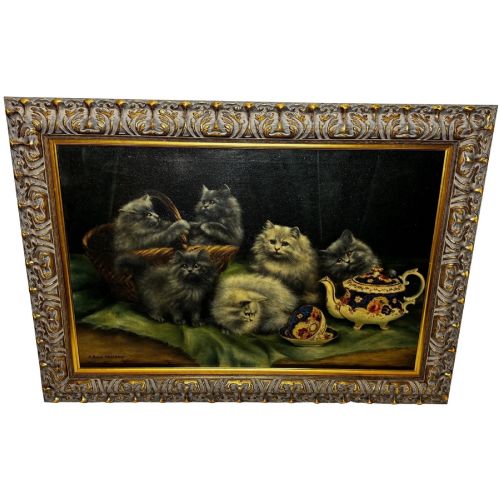
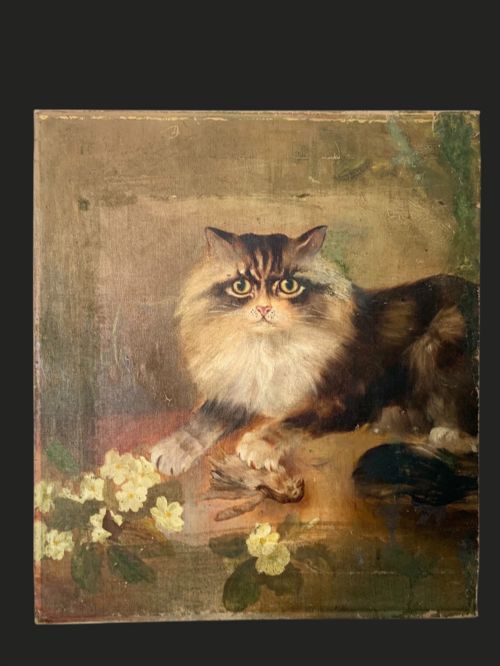
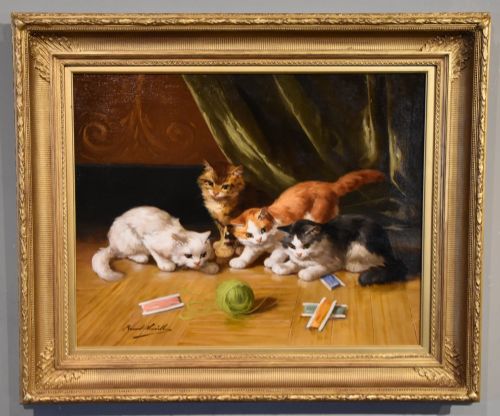
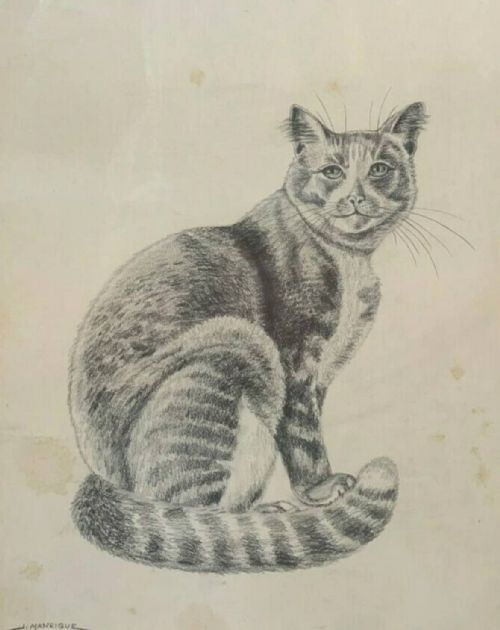
A vintage cat portrait captures the distinct personality of a feline subject, offering charm through oil, pastel, canvas, and wood.
Vintage Cat Portrait
A vintage cat portrait encompasses oil paintings, drawings, and glass pieces spanning the nineteenth century through the mid-twentieth century. Buyers looking for a vintage cat portrait encounter diverse artistic approaches, ranging from traditional realism to naive school interpretations.
The selections on this page feature domestic cats and kittens rendered by various historical hands, utilising mediums like canvas, paper, and wood panels. These artworks capture feline subjects alone or with companions, reflecting the aesthetic preferences of periods such as the Victorian era and the mid-century modern movement.
Materials and technique
Artists rendering a vintage cat portrait relied heavily on traditional media, applying oil paint to canvas, board, or wood panels. These works often utilised supportive framing materials such as gilt wood and gesso to house the finished composition.
Alternative pieces within this category incorporate pastels, pencil on paper, or reverse glass painting techniques. The physical support structures range from stretchers for canvas to solid panels and paper sheets.
Vintage Cat Portrait Retail Price Guide 2026
Typical asking prices for vintage cat portrait among the pieces listed under this phrase on Sellingantiques today, from the lower quarter to the upper quarter. They describe what is for sale here now, not the wider market.
Several feline subjects are captured mid-play, ensuring at least one portrait stares back with an unhinged and delightfully demented expression.
Evaluating quality and execution
The distinction between a standard piece and a superior vintage cat portrait lies in the anatomical accuracy and the expressive handling of the feline subject. Works demonstrating confident brushwork or precise pastel strokes separate adept traditional realism from simpler naive school interpretations.
Material preservation also influences the character of each piece, where intact original frames, stable grounds, and well-preserved paint layers maintain the integrity of the original creation. The depth of character achieved by the artist defines the overall success of the portrait.
Agnes Augusta Talboys·Alfred Arthur Brunel de Neuville·Takabatake Kasho·Fred Yates·Raymond Arthur Roadnight·Bessie Bamber
The Vintage Cat Portrait Glossary
- Naive school
- An art movement characterised by a childlike simplicity in perspective and proportion. These works often lack formal academic training but offer direct charm.
- Oil on panel
- A painting executed on a flat wooden support rather than flexible canvas. This rigid base provides a stable surface for detailed brushwork.
- Gilt wood
- Wood that has been treated with a thin layer of gold leaf or metallic gilding. It frequently forms the ornate framing around nineteenth-century works.
- Pastel drawing
- An artwork created using powdered pigment bound into sticks. This medium allows for soft blending and rich textures on paper supports.
- Gesso
- A paint mixture consisting of a binder mixed with chalk, gypsum, or pigment. It is applied to panels or frames to prepare the surface for gilding or painting.
Vintage Cat Portrait: Frequently Asked Questions
What periods do these cat portraits span?
The available works cover a broad historical timeline, beginning in the nineteenth century and extending through the Victorian era into the nineteen-fifties and nineteen-sixties.
Buyers will find examples representing distinct historical moments, from nineteenth-century naive interpretations to mid-century realism and Taisho Roman aesthetics.
How do naive and realistic styles differ?
Traditional realism focuses on accurate feline anatomy, texture of fur, and lifelike proportions, as seen in academic animalier paintings. Naive school works prioritise character and expressive charm over strict anatomical precision.
Both approaches offer distinct aesthetic qualities depending on the intended decorative impact.
How should I display a vintage painting?
These artworks suit various interior settings, from traditional period rooms to contemporary spaces looking for focal points. Displaying them away from direct sunlight protects organic materials like canvas, paper, and wood.
Ensuring stable room humidity also preserves the longevity of older oil paints and gesso frames.