





Vintage Castle Picture
A vintage castle picture brings centuries of stone walls and romantic landscapes directly to your wall.
Vintage Castle Picture
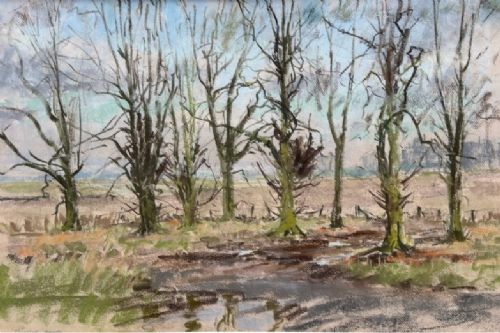
A vintage castle picture encompasses framed watercolours, oils, and gouaches depicting historic fortresses and romantic landscape scenes across Britain. When you search for a vintage castle picture, you encounter works spanning from the nineteenth century through the mid-twentieth century.
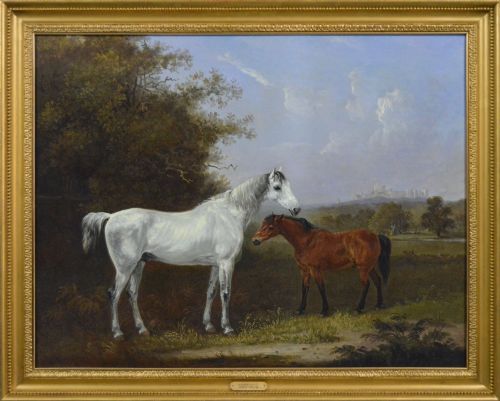
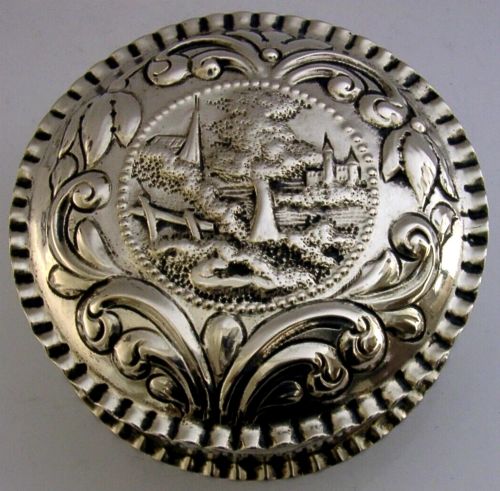
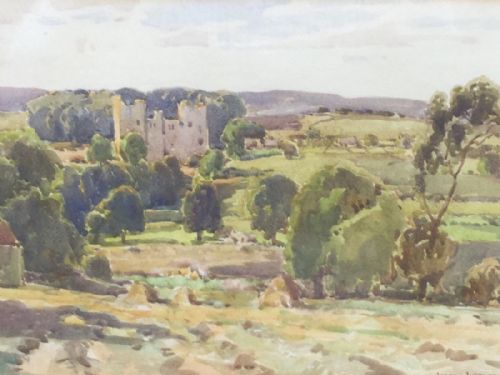
The selections here range from expansive watercolours of northern strongholds to detailed oil paintings and even novelty items like silver table boxes and gold lockets. Landscapes featuring Scottish and English ruins dominate the selection, capturing the romantic fascination with ancient architecture.
Makers and artists working within British landscape traditions provide the bulk of these depictions. The visual language relies heavily on romanticism and realism, reflecting the periods in which the artists painted.
Materials and Methods
Watercolour pigment on paper remains the primary medium for these depictions, often paired with traditional wood framing and glass protection. Artists applied washes to build atmospheric skies and rocky terrain surrounding the stone structures.
Oil on canvas works utilise richer layering to capture nighttime scenes or dramatic lighting effects on water and masonry. Alternative items incorporate intricate cork work dioramas or precious metals like solid silver and nine-carat gold for wearable and decorative pieces.
Vintage Castle Picture Retail Price Guide 2026
Typical asking prices for vintage castle picture among the pieces listed under this phrase on Sellingantiques today, from the lower quarter to the upper quarter. They describe what is for sale here now, not the wider market.
One exceptional piece transforms tiny pieces of cork into a miniature architectural wonderland inside a deep frame.
Assessing Quality and Execution
Quality rests upon the artist's ability to render architectural perspective alongside atmospheric depth in the surrounding landscape. Finer pieces demonstrate confident brushwork and a sophisticated handling of light, particularly when depicting water reflections or moonlight.
The physical housing also dictates the overall standard, with period frames, glass, and original mount boards preserving the artwork safely. Material choices beyond paper, such as solid silver table boxes or substantial gold lockets with detailed engraving, elevate the object's manufacturing pedigree.
Alfred Young Nutt·Frank Wood·James Bell Anderson·R P Noble·Alfred Robert Quinton·Fred Lawson·Sonia Lawson·Peter Toft·J D Walker·Reginald Mills·George Graham
The Vintage Castle Picture Glossary
- Watercolour painting
- A work executed with water-soluble pigments on paper. This technique allows for translucent washes that suit atmospheric skies and distant landscapes.
- Gouache
- An opaque water-based paint medium that provides brighter highlights and denser colour coverage than standard watercolour. Artists utilise it to add solid texture to stonework and clouds.
- Oil on canvas
- Pigments bound in a drying oil applied to a stretched cloth support. This medium permits deep tonal gradations and rich textural buildup.
- Gilt
- A thin layer of gold leaf or gold paint applied to frames or decorative objects. It enhances the visual warmth of the presentation.
Vintage Castle Picture: Frequently Asked Questions
What periods do these castle artworks come from?
The selections span from the nineteenth century through to the mid-twentieth century. Most examples date from the Victorian era up to the nineteen-sixties.
Artists across these decades interpreted historic fortresses through changing lenses, moving from romantic idealism toward sharper realism.
Are all these pieces traditional watercolours?
While watercolour on paper forms the majority of the available wall art, the category includes other media. You will encounter oil on canvas paintings and gouache works.
Beyond flat art, the selection extends to three-dimensional cork work dioramas, silver table boxes, and gold lockets.
How should I frame and display a paper picture?
Paper artworks require conservation framing with acid-free mounts to prevent yellowing over time. Keeping them away from direct sunlight protects the pigments from fading.
Displaying them on interior walls with stable humidity ensures the paper and historic frames remain secure.