
Vintage Carved Wood Chairs
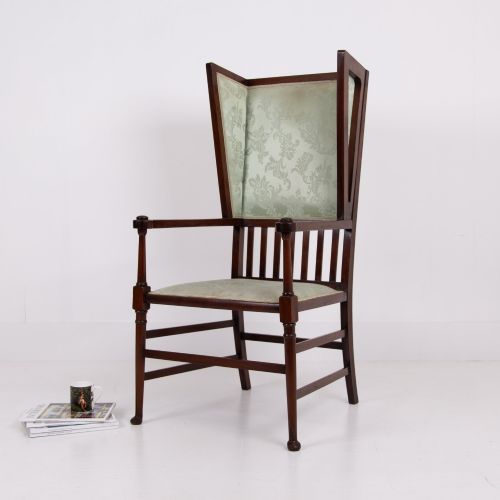
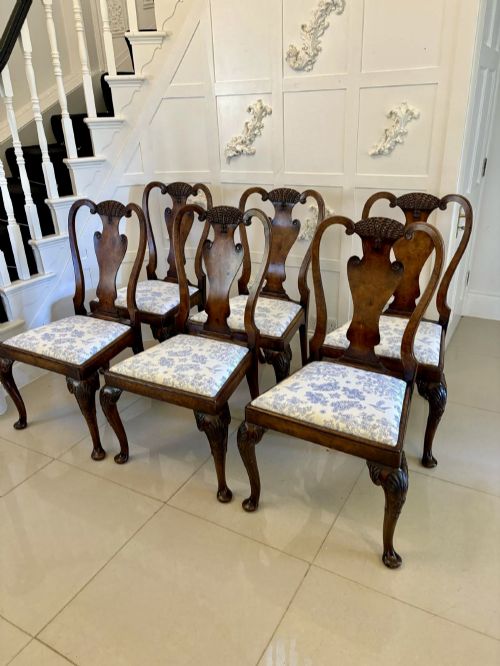
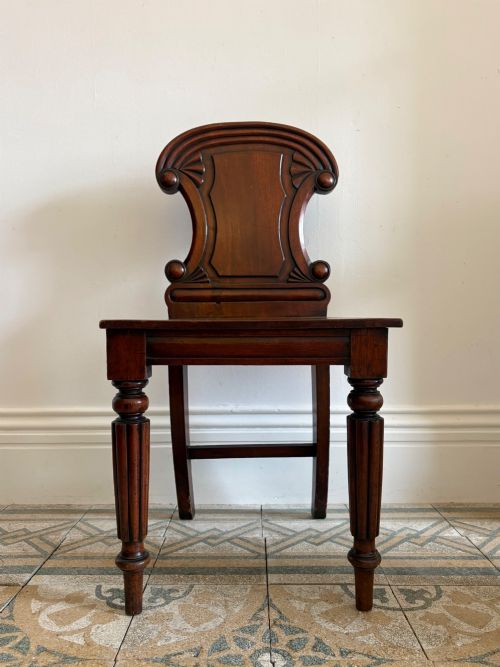
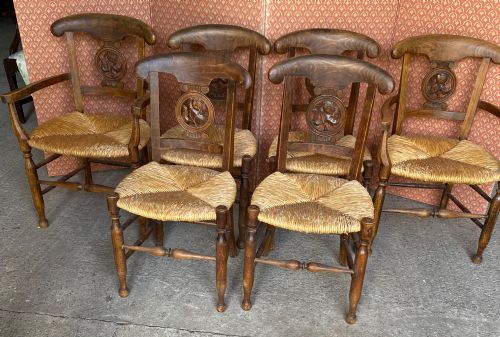
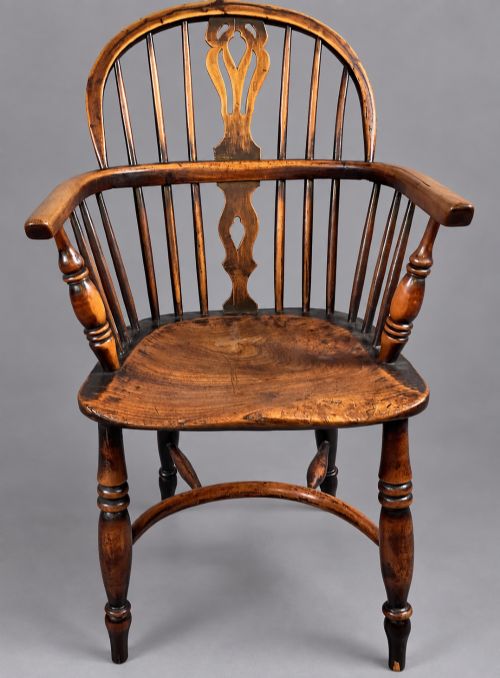
Vintage carved wood chairs bring warmth and tactile detail to a room, spanning formal dining sets and robust country seating.
Vintage Carved Wood Chairs
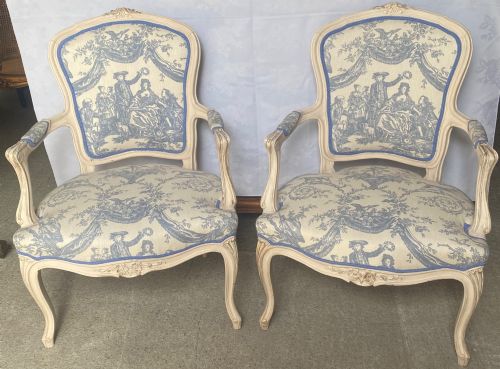
Vintage carved wood chairs encompass a wide variety of forms designed for dining, study, and daily lounging, reflecting diverse historical periods and regional tastes. Buyers searching for vintage carved wood chairs will encounter everything from formal dining sets to single occasional pieces.
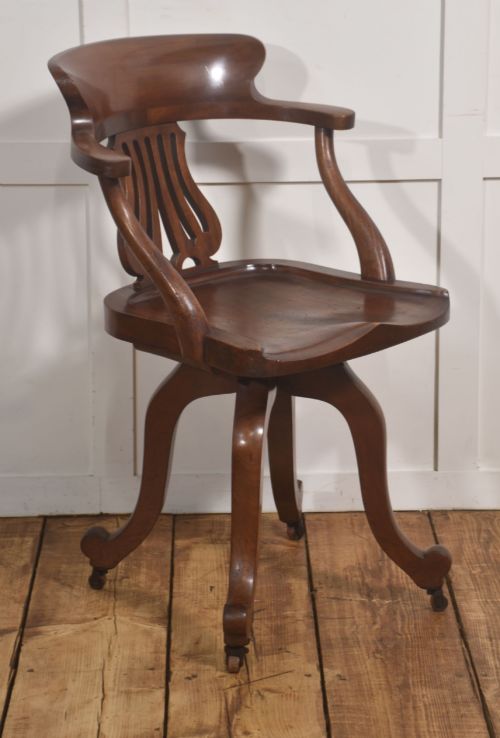
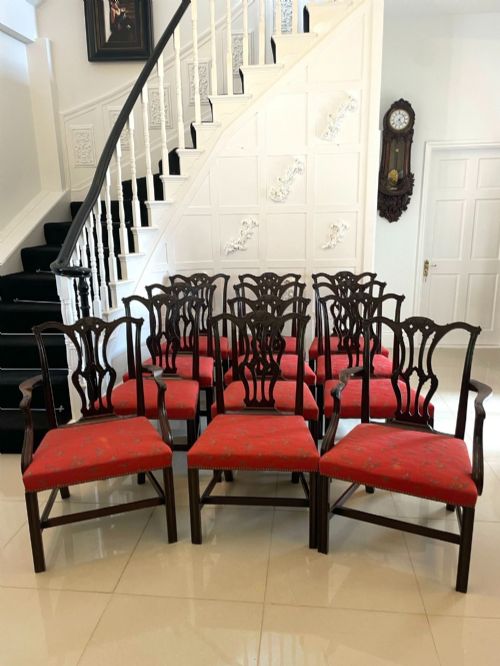
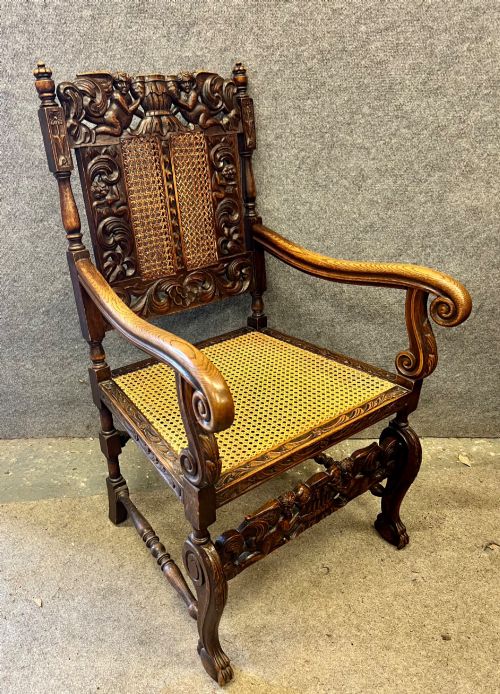
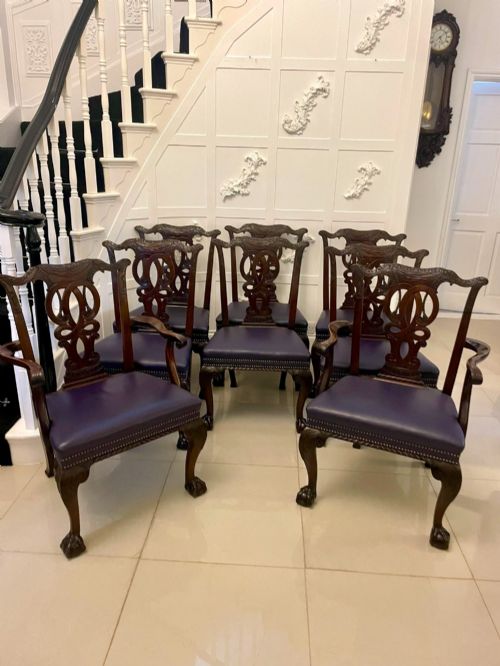
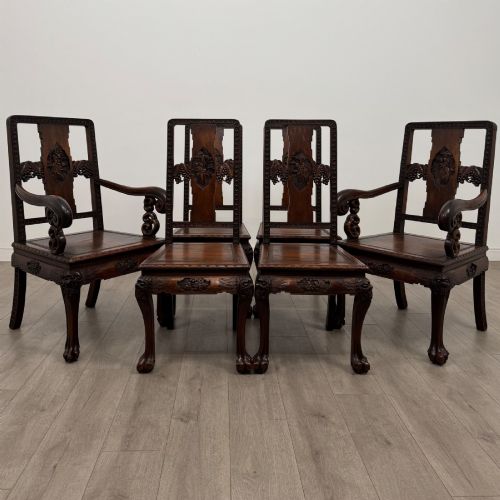
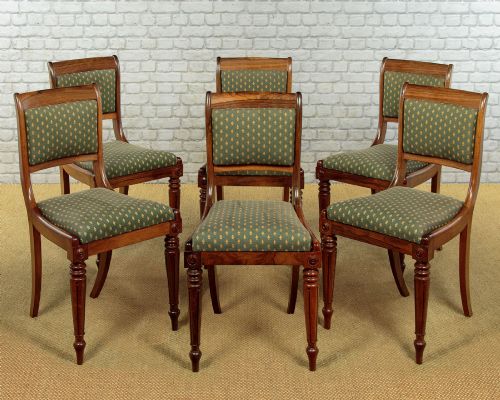
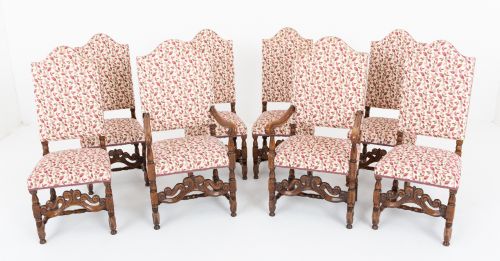
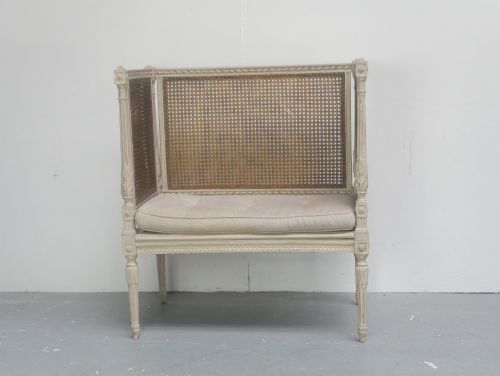
The selection ranges from Victorian balloon back designs and Edwardian cane tub armchairs to robust 18th century oak side chairs and refined Chippendale style seating. Mahogany and oak dominate the offerings, often complemented by walnut, beech, and elm.
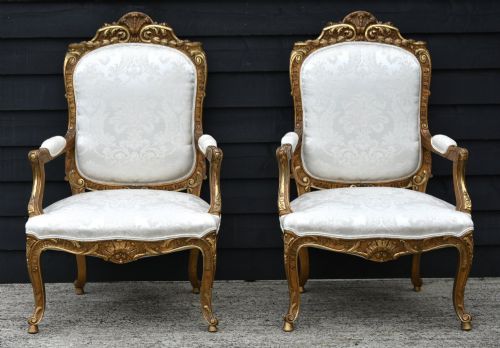
Regional and international influences appear frequently, including French Louis style armchairs, Chinese hardwood seating, and North African designs. Whether seeking a pair of side chairs or an extensive dining set, the choices reflect substantial historical breadth.
Materials and Construction
Makers utilised dense timbers such as mahogany, oak, and walnut to ensure structural integrity and to provide a stable medium for intricate hand carving. Beech and elm frequently supplied the framework for kitchen and country dining chairs.
Upholstery materials such as leather, velvet, and woven fabric completed many seating forms, paired with brass details or cane work where appropriate. Original paint finishes and polished wood surfaces demonstrate traditional surface treatments.
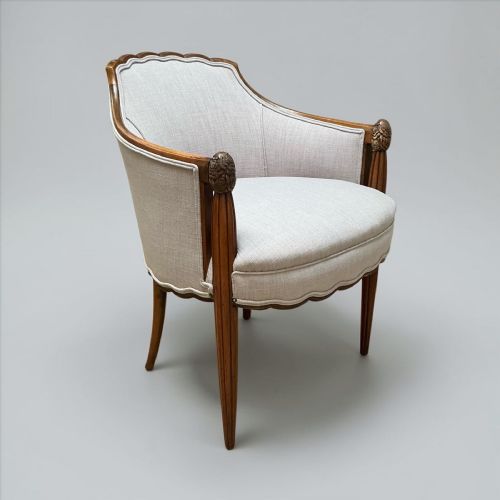
Periods represented span from the 18th century through the Victorian and Edwardian eras into the Art Deco period.
Assessing Quality and Execution
Quality rests in the crispness and depth of the hand carving, where superior examples exhibit clean lines and well-defined motifs rather than soft, shallow detailing. The choice of timber also dictates quality, with dense Cuban mahogany or figured walnut elevating a piece.
Structural harmony and joinery integrity separate standard utility seating from finer artisan pieces, particularly in revival styles like Queen Anne or Hepplewhite. Original finishes and intact upholstery materials further distinguish the better examples in the range.
Alfred Allen of Birmingham
The Vintage Carved Wood Chairs Glossary
- Balloon back
- A rounded, oval-shaped chair back popular during the Victorian period. It offers ergonomic comfort and typical carved ornamentation.
- Shield back
- A dining chair back shaped like a heraldic shield, frequently associated with Hepplewhite designs. This form often incorporates delicate pierced splats.
- Bobbin turned
- Furniture legs or stretchers shaped on a lathe to resemble a series of wooden bobbins or spools. This technique is common in 17th and 18th century oak pieces.
- Cabriole leg
- A furniture leg that curves outward and then tapers inward, ending in a pad or claw foot. It draws inspiration from animal limbs.
- Bergere
- An enclosed upholstered armchair with wooden framing exposed around the sides and back. Cane work frequently panels the sides.
Vintage Carved Wood Chairs: Frequently Asked Questions
How do I date a carved wooden chair?
Dating relies on examining the timber species, joinery techniques, and stylistic markers such as cabriole legs or shield backs. Period descriptions and specific revival eras provide further contextual clues.
Comparing construction methods against known historical styles helps narrow down the decade of manufacture.
Are these chairs suitable for daily dining?
Many solid wood chairs, particularly mahogany and oak dining sets, remain robust enough for regular daily use. Proper structural checks ensure they can withstand everyday sitting.
Adding appropriate seat pads or maintaining the existing upholstery preserves both comfort and condition during meals.
How should I clean antique wood frames?
Dust regularly with a soft, dry cloth to prevent dirt accumulation on the carved details. Avoid modern silicone sprays that can damage historic polishes.
Applying occasional specialist wax feeds the timber and maintains the natural lustre of the polished surface.
Can I mix different chair styles together?
Combining different styles, such as pairing occasional armchairs with standard side chairs, creates a collected and eclectic interior scheme. Keeping a shared element like wood tone helps unify the arrangement.
Balance proportions carefully so that heavier pieces do not overwhelm lighter decorative seating.